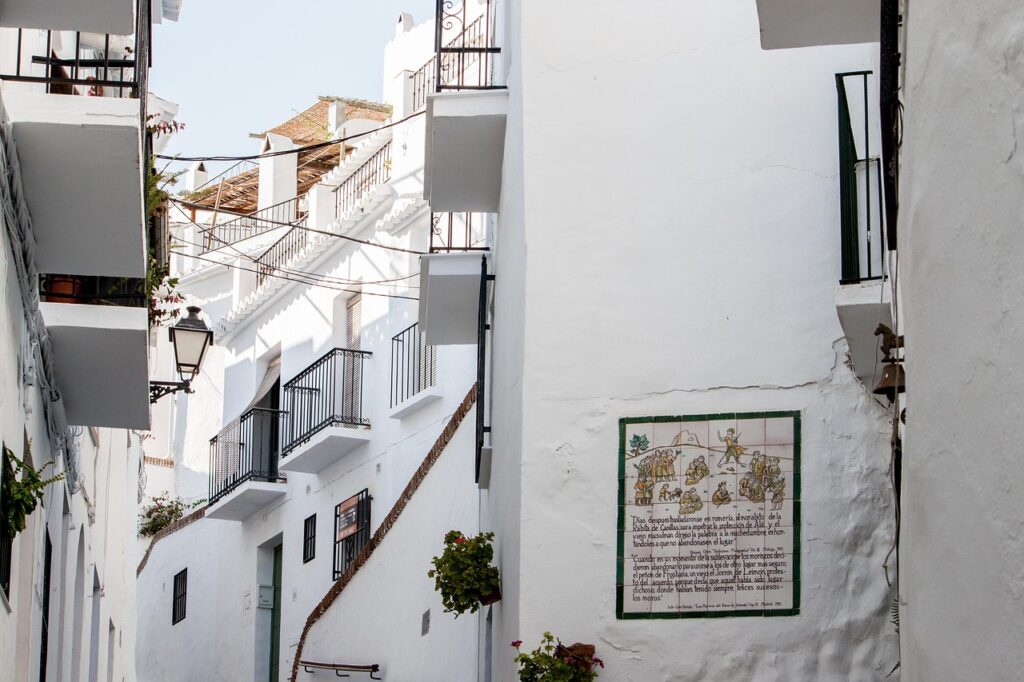
Few floors deliver instant warmth the way a sunbaked terracotta hallway or a hand-painted tile entry does. Spanish flooring isn’t a single product — it’s a design tradition rooted in Mediterranean and Spanish Colonial architecture, built around earthy terracotta, rustic Saltillo tile, and vivid patterned cement and Talavera designs. It pairs beautifully with stucco walls, exposed beams, and wrought iron, and it has surged in popularity across the Southwest, California, and Florida as homeowners chase that timeless, lived-in feel.
What Defines the Spanish Flooring Look
The hallmark is warmth and texture. Think terracotta reds and oranges, sandy buffs, and the deep blues and yellows of decorative tile. Surfaces are often slightly irregular and matte rather than glossy, giving floors a handcrafted, weathered character. Patterns matter too — geometric borders, repeating motifs, and bold accent tiles used as rugs or runners are signatures of the style.
This is a floor that ages into beauty. Minor variation, patina, and even small imperfections are part of the appeal, not flaws to be hidden.
Terracotta and Saltillo Tile
Terracotta — literally “baked earth” — is the backbone of Spanish flooring. Saltillo, a rustic terracotta made in Saltillo, Mexico, is the most recognizable version: handmade, sun-dried clay tiles with rounded edges, natural color variation, and the occasional animal footprint left during outdoor curing. These quirks are prized, not defects.
Terracotta is durable and develops a rich patina, but it’s also porous, which is its main weakness. Unsealed clay tile absorbs water and stains readily. Proper sealing is non-negotiable, and Saltillo in particular needs sealing before grouting and resealing periodically over its life.
Patterned Cement and Talavera Tile
For pattern and color, encaustic cement tiles and Talavera ceramic tiles carry the look. Cement tiles are made by hand-pouring pigmented cement into molds, producing crisp geometric designs with a soft matte finish. Talavera is a traditional Mexican glazed earthenware, hand-painted in bright blues, greens, and yellows, often used as accents, stair risers, and decorative borders rather than wall-to-wall.
Both bring authenticity, but both demand care. Cement tiles are porous and must be sealed; Talavera’s hand-glazing means color and size vary tile to tile, which is part of the charm but requires a skilled installer to lay well.
Pros of Spanish Flooring
- Timeless, warm character that suits Mediterranean, Colonial, and rustic interiors.
- Excellent durability — fired clay and cement tile last decades when maintained.
- Naturally cool underfoot, a real advantage in hot climates, and ideal over radiant heat.
- Ages gracefully, gaining patina rather than looking worn out.
- Design flexibility — mix solid terracotta fields with patterned accents for a custom look.
Cons and Considerations
- Porosity — terracotta and cement tile must be sealed and resealed, or they stain and absorb moisture.
- Hard and cold without heat — comfortable in warm climates but unforgiving underfoot; rugs help.
- Installation skill required — irregular handmade tiles and varied sizes demand an experienced setter.
- Maintenance — patterned cement tiles need gentle, pH-neutral cleaners; harsh chemicals dull the finish.
- Cost variation — basic terracotta is affordable, but authentic hand-painted Talavera and cement tile run higher, plus labor.
Sealing and Maintenance
Sealing is the make-or-break factor with Spanish flooring. For Saltillo and terracotta, apply a penetrating sealer before grouting to keep grout haze out of the porous clay, then a topical sealer or wax for sheen and protection. Plan to reseal every couple of years in high-traffic areas, more often where water is present.
Day to day, sweep regularly and damp-mop with a pH-neutral cleaner. Skip acidic cleaners like vinegar on cement and unglazed clay — they etch the surface and break down sealers. Wipe spills promptly until you’re confident the seal is holding.
Where Spanish Flooring Works Best
This style shines in entryways, kitchens, courtyards, sunrooms, and open living spaces, especially in warm regions where the cool surface is a benefit. Talavera and patterned cement tiles make striking accents on stair risers, fireplace surrounds, and as inset “rugs” within a field of plain terracotta. In colder climates, pair the tile with in-floor radiant heating to offset the natural chill.
Grout, Layout, and Design Choices
Grout color and layout shape the whole feel of a Spanish floor. For rustic terracotta and Saltillo, wide grout joints in a warm earthy tone reinforce the handmade, old-world character — tight, crisp joints fight the look. For patterned cement and Talavera tile, a neutral grout that doesn’t compete with the design lets the pattern shine. Because handmade tiles vary in size, an experienced installer will set joint width to accommodate the variation rather than forcing uniform lines.
Layout is where you can have fun. Classic Spanish floors often run terracotta in a straight or diagonal field, then frame it with a contrasting border of patterned tile. Talavera inserts scattered through a plain field, or a single “tile rug” of patterned cement set into terracotta, create striking focal points without tiling the entire room in busy pattern. Stair risers are another favorite spot for hand-painted Talavera, adding color exactly where the eye lands.
Climate and Comfort Considerations
Spanish flooring’s natural coolness is a feature in hot, sunny regions and a drawback in cold ones. In the Southwest, California, and Florida, tile floors help keep interiors comfortable through long warm seasons. In colder climates, the same tile feels chilly underfoot in winter, which is why pairing it with in-floor radiant heating is so popular — the dense clay and cement store and radiate heat efficiently, making the floor a comfort feature rather than a cold one.
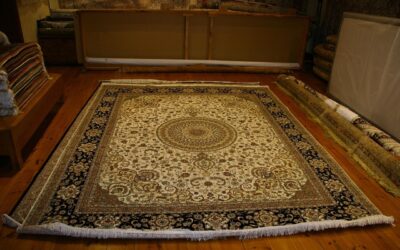
Tile is also hard, so consider area rugs in spaces where you stand for long periods, like in front of a kitchen sink, and use runners in hallways. These soften the surface and add another layer of the rich, layered Mediterranean aesthetic the style is known for.
How to Buy Smart
Because terminology and quality vary widely, evaluate the actual tile rather than the label. Order samples and check color range across a batch, since handmade tiles vary by design. Confirm whether tiles arrive sealed or need sealing, and ask about thickness and size tolerance so your installer can plan layout and grout joints. For patterned cement and Talavera, buy extra from the same production run — colors and patterns shift between batches, and matching later is difficult.
Spanish flooring rewards patience and craftsmanship. Choose authentic materials, seal them properly, hire an installer who knows handmade tile, and you’ll end up with a floor that carries genuine character and holds up for generations.
Prefer to explore on your own?
See how new flooring looks in your actual room in seconds — free, no signup.
Try the free Floor Studio →