Most American buyers picture terracotta saltillo when they hear the term, but spanish tile flooring covers a much wider category that includes glazed ceramic, encaustic cement, and hand-painted talavera. The pricing swings wildly across these subtypes, from $3 per square foot for machine-made imports to $28 per square foot for hand-painted Sevillana pieces. Knowing which version you actually want before you walk into a showroom will save you a five-figure mistake. This guide breaks down the real differences and what each one is best for.
Part of our Tile & Grout guide — explore the full guide →
What Counts as Spanish Tile Flooring
True Spanish tiles are made in Spain, primarily in the Castellon region near Valencia, which produces roughly 95% of the country’s ceramic exports. Brands like Porcelanosa, Saloni, and Pamesa lead this category. Tiles labeled “Spanish style” but manufactured in Mexico or Asia are technically a different product, even when the visual language overlaps.
The most common formats sold in the US include 8×8 hand-painted ceramic, 13×13 glazed terracotta, and large-format 24×24 porcelain with traditional motifs printed digitally. Encaustic cement tiles in Moorish or geometric patterns also fall under this umbrella when sourced from Spanish workshops.
The Look That Pulls People In
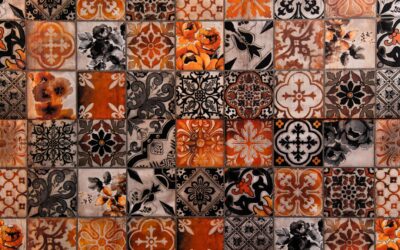
The visual signature comes from two places: bold geometric patterns inherited from Moorish design, and earthy color palettes built around terracotta, cobalt blue, mustard, and creamy whites. Hand-painted versions show small variations between tiles, which reads as authenticity rather than defect.
Mediterranean and Spanish Colonial homes are obvious fits, but designers have used these tiles successfully in modern farmhouse kitchens, transitional bathrooms, and even contemporary lofts where the pattern works as a single accent zone. Pairing matte terracotta with white shaker cabinets is one of the more reliable combinations.
Pros of Spanish Tile Flooring
Durability is the strongest selling point. Glazed Spanish ceramic typically rates between 4 and 5 on the PEI scale, meaning it holds up to heavy residential foot traffic and many commercial applications. The fired clay body resists scratching, fading, and most chemical stains.
- Lifespan: 50 to 75 years with reasonable care, longer for terracotta
- Heat performance: Stays cool in summer, compatible with radiant heat systems
- Water resistance: Glazed versions are nearly impervious; unglazed needs sealing
- Resale appeal: Often listed as a feature in real estate descriptions in the Southwest
- Pattern variety: Hundreds of historic designs still in production
Cons You Need to Know About
The cold-and-hard problem is real. Without an underfloor heating system, these floors feel uncomfortable from October through March in northern climates. Expect to budget another $8 to $15 per square foot installed for an electric mat system if comfort matters to you.
Dropped glassware shatters more aggressively than it does on softer floors, and grout lines need resealing every two to four years in wet rooms. Hand-painted tiles also carry a lead time of six to twelve weeks because most are made to order, which can derail a renovation schedule if you don’t plan ahead.
What Spanish Tile Flooring Costs in 2026
Material pricing in the current market spans a wide range depending on craftsmanship and origin. Always confirm whether quoted prices include freight from Spain, which adds $0.40 to $1.20 per square foot for ocean shipping plus port handling fees.
- Machine-made glazed ceramic: $3 to $7 per sq ft
- Premium porcelain with digital prints: $6 to $12 per sq ft
- Genuine saltillo terracotta: $4 to $9 per sq ft
- Hand-painted talavera or Sevillana: $14 to $28 per sq ft
- Encaustic cement from Spain: $10 to $22 per sq ft
Installation runs $7 to $14 per square foot for standard layouts, with intricate patterns pushing to $18 or higher because of cutting waste and layout time. Order 15% extra material for cuts and future repairs, more if you’re using a diagonal or pinwheel pattern.
Where It Performs Best
Kitchens, mudrooms, entryways, and powder rooms are the strongest use cases because the slip resistance of textured finishes works well in transition zones. Outdoor patios and pool surrounds also work if you confirm the tile is rated for freeze-thaw cycles, which not every Spanish tile is.
Bedrooms are a weaker fit unless you’re committed to area rugs and radiant heat. Stairs require bullnose pieces that some specialty makers don’t stock, so confirm availability before you commit to a stair installation.
Installation Tips From the Field
Spanish tile flooring needs a flat, fully cured substrate. On wood subfloors, install a quarter-inch cement backer board over a sheet of polyethylene or use a decoupling membrane like Schluter Ditra to manage seasonal movement. Skipping this step is the most common cause of cracked grout six months later.
Use a non-modified thinset for porcelain and modified versions for ceramic; mismatching thinset and tile is another frequent failure point. For hand-painted faces, lay them dry first across the room to balance color variation, since tiles from the same kiln often shift slightly between boxes. Dry-laying takes an extra hour and prevents an uneven-looking floor.
Care and Maintenance Routine
Sweep or vacuum twice a week to keep grit off the surface, and damp-mop weekly with a pH-neutral cleaner. Avoid vinegar, ammonia, or any acidic product on unsealed terracotta and cement tiles, since they etch the surface. Reseal unglazed and cement tiles every 18 to 24 months with a penetrating sealer like Miracle Sealants 511 Impregnator.
Grout should get the same treatment with a dedicated grout sealer every two years. Spot repairs are straightforward if you saved spare tiles; matching after the fact is difficult because dye lots from Spanish kilns can shift noticeably between production runs.
Is It Right for Your Project
Spanish tile flooring rewards patient buyers who care about character and longevity over the lowest sticker price. If you want something that looks identical from box to box and ships in a week, a US-printed luxury vinyl or a stocked Italian porcelain will serve you better. If you want a floor with visible craftsmanship that ages gracefully and holds value, this category is hard to beat. Order samples from at least two suppliers, view them in your actual lighting, and confirm shipping timelines before you sign anything.
Prefer to explore on your own?
See how new flooring looks in your actual room in seconds — free, no signup.
Try the free Floor Studio →