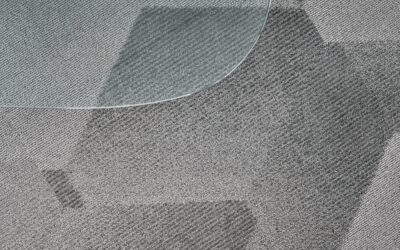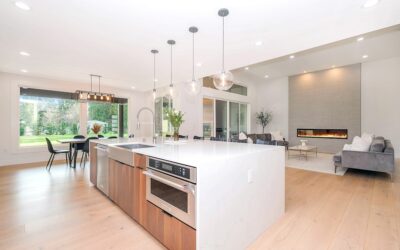
Speckled tile is having a genuine moment, and for good reason. The scattered flecks of color across a neutral base give a floor or wall depth, movement, and a playful, retro-modern character, and that same granular pattern happens to hide dirt, crumbs, and foot traffic better than almost any solid tile. It is one of the few surfaces that is both a design statement and a low-maintenance workhorse.
Part of our Tile & Grout guide — explore the full guide →
The look draws directly from classic terrazzo, the poured composite of marble and stone chips that has floored institutions for a century. Today you can get that effect in easy-care porcelain, real terrazzo tile, or flecked ceramic. This guide covers the styles and colorways, why speckled tile is so forgiving, where to use it, how to handle grout and installation, and what it costs.
What Counts as Speckled Tile
Speckled tile is any tile with a base color interrupted by scattered flecks, chips, or granules of contrasting color. The pattern ranges from a fine, subtle salt-and-pepper texture to a bold, large-chip terrazzo with dramatic pieces of marble, glass, and quartz. The three main types you will shop:
- Terrazzo-look porcelain: Printed and textured porcelain that mimics real terrazzo at a fraction of the cost and weight. Durable, waterproof, and low-maintenance, usually $4 to $12 per sq ft.
- Real terrazzo tile: Precast slabs or tiles of actual marble and stone chips in a cement or resin binder. Heavier, pricier, and more luxurious, often $15 to $30 per sq ft plus specialized install.
- Flecked and speckled ceramic: Solid-color ceramic with fine mineral flecks for a subtle granite-like texture, the most budget-friendly at $2 to $8 per sq ft.
Why Speckled Tile Hides Dirt So Well
This is the practical superpower and the reason contractors love recommending it for busy households. A solid white or solid black floor shows every crumb, hair, dust bunny, and scuff. The busy, multi-tone surface of speckled tile visually breaks up the field so small debris and minor wear blend into the pattern instead of standing out.
That does not mean the floor is dirty; it means it does not broadcast normal daily use between cleanings. For kitchens, entryways, mudrooms, and homes with kids or pets, that forgiveness is worth a lot. It is the same principle behind speckled commercial flooring in schools and airports, chosen precisely because it looks clean under heavy traffic.
Colorways and Choosing Yours
Speckled tile spans from quiet to bold, so match the intensity to your room and nerve:
- Neutral base, subtle flecks: White, cream, or gray with fine gray, black, or beige speckles. Timeless and easy to pair, this reads calm and works with any decor.
- White or cream with colorful chips: Terrazzo-style pops of terracotta, teal, black, and gold on a light base. Fun, fresh, and design-forward, great for a statement floor.
- Dark base, light flecks: Charcoal or black with white and gray speckles for a moody, sophisticated look that still hides dust.
- Warm earthy terrazzo: Beige and sand bases with brown, rust, and cream chips for an organic, Mediterranean feel.
The finer the speckle, the more the tile reads as a solid neutral from across the room; the larger the chips, the more it becomes a focal point. If you want the tile to be a quiet background, choose fine flecks. If you want it to be the star, go bold terrazzo.
Best Rooms for Speckled Tile
The dirt-hiding, waterproof nature of porcelain speckled tile makes it a strong pick almost anywhere, but it shines in a few spots:
- Kitchens: Hides crumbs and splashes between cleanings, and terrazzo pairs beautifully with both modern and vintage cabinetry.
- Bathrooms: Waterproof porcelain terrazzo brings personality to floors, shower walls, and niches without slipping into sterile territory.
- Entryways and mudrooms: The busy pattern camouflages tracked-in grit, and porcelain shrugs off moisture and salt.
- Laundry rooms: A cheerful, durable, easy-clean floor for a utilitarian space.
Speckled porcelain also works on walls and backsplashes, where a terrazzo pattern adds texture and interest behind a range or vanity.
Grout Matching and Layout
Grout choice can make speckled tile disappear into a seamless field or frame every tile. Because the surface is already busy, most designers keep grout low-contrast so the pattern does the talking. Match the grout to the tile’s base color for a continuous, poured-terrazzo effect, which is especially convincing with large-format terrazzo-look porcelain that has minimal grout lines.
Large-format tiles, say 24 by 24 inches or bigger, give the most seamless, slab-like look with the fewest grout lines. If you want a more graphic, tiled feel, a slightly contrasting grout will define each tile, though it competes with the speckle pattern, so use it deliberately. For a busy multicolor terrazzo, pull the grout color from the base rather than trying to match a fleck color.
Cost and Installation
Terrazzo-look porcelain is the value play, delivering the look for $4 to $12 per sq ft in materials, versus $15 to $30 for real terrazzo tile plus more demanding installation. Installing porcelain speckled tile is a standard tile job: proper substrate prep, thinset mortar, spacers, and grout, and a competent DIYer can handle it, though large-format tiles need a very flat substrate and often a leveling system to prevent lippage.
Real terrazzo tile is heavier and may require reinforced subfloor and professional installation, and poured-in-place terrazzo is a specialized trade entirely. Budget roughly $3 to $10 per sq ft for professional tile installation labor on top of materials, and add 10 percent to your tile order for cuts and future repairs.
Styling Speckled Tile in a Room
Speckled tile is surprisingly easy to decorate around because the flecks pull in multiple colors you can echo elsewhere. Pick one or two hues from the chips and repeat them in cabinetry, a vanity, paint, or textiles to tie the room together. A white terrazzo with black and terracotta specks, for example, pairs naturally with warm wood cabinets and matte-black fixtures, while a cool gray speckle sits comfortably against crisp white and brushed nickel.
Keep the rest of the room relatively simple when the tile is bold. A busy terrazzo floor does not need competing patterns on the walls or counters; let it be the star and surround it with solid, calm finishes. Conversely, a subtle salt-and-pepper speckle acts almost like a textured neutral, giving you freedom to layer in stronger colors and patterns elsewhere without the space feeling cluttered.
Maintenance and Care
Porcelain speckled tile is about as low-maintenance as flooring gets: sweep or vacuum regularly and damp-mop with a pH-neutral cleaner. The glazed, waterproof surface needs no sealing. Real terrazzo with a cement binder is more porous and should be sealed after install and periodically thereafter to resist stains, and it can be honed and polished to renew its shine over decades. For both types, avoid abrasive pads and harsh acidic cleaners that can dull the finish, and seal any cement grout in wet areas to keep it clean.
Is Speckled Tile Right for Your Home?
For homeowners who want a floor with personality that also survives real life, speckled tile is one of the smartest choices on the market. It hides daily dirt and wear, comes in everything from quiet neutrals to bold terrazzo, and in porcelain form is affordable, waterproof, and nearly maintenance-free. Match your grout to the base color for a seamless look, go large-format for the most slab-like effect, and lean on terrazzo-look porcelain if you want the style without the cost and weight of the real thing. It is a rare finish that looks great and forgives everything your household throws at it.
Prefer to explore on your own?
See how new flooring looks in your actual room in seconds — free, no signup.
Try the free Floor Studio →