
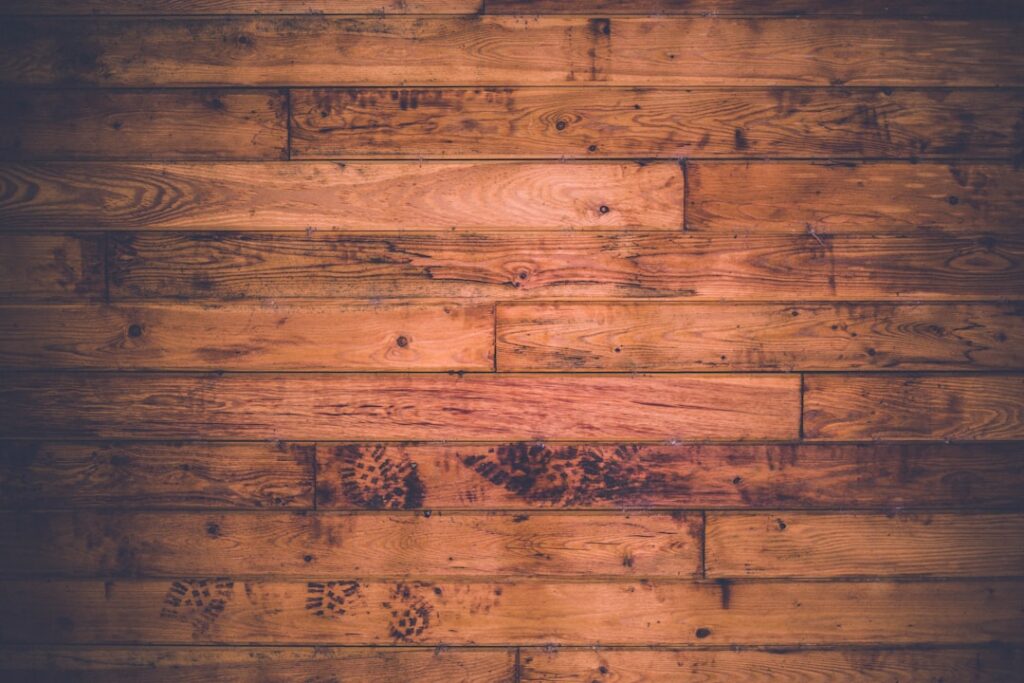
Steam mops promise a chemical-free, deep clean with nothing but water, so it is tempting to run one across your hardwood. But before you do, here is the blunt truth: you should not steam clean wood floors, whether they are solid or engineered. The National Wood Flooring Association and virtually every hardwood manufacturer warn against it, because forcing hot moisture into wood damages the finish, can warp the boards, and usually voids your warranty. That “deep clean” can quietly cost you a whole floor. Let me explain why, and give you the safe methods pros actually use.
- Why Steam and Wood Do Not Mix
- What Manufacturers and the NWFA Actually Say
- The Damage You Might Not See Right Away
- Safe Ways to Clean Hardwood Instead
- The Right Way to Damp-Mop
- What About Sealed or Waterproof Claims?
- What About Other Floor Types?
- Building a Simple Wood-Floor Care Kit
- Deep Cleaning Without Steam
- If You Already Steamed Your Floors
- The Bottom Line
Why Steam and Wood Do Not Mix
Wood is hygroscopic, meaning it absorbs and releases moisture and moves as it does. A steam mop combines the two things hardwood hates most: heat and water vapor under pressure. The steam drives moisture through microscopic gaps in the finish and into the wood, and the heat can soften the finish itself. Over time, or even after a few sessions, that leads to cupping, warping, cloudy or peeling finish, and separating boards. Engineered wood is no safer, since its real-wood top layer and glue lines react to moisture just as poorly.


What Manufacturers and the NWFA Actually Say
This is not internet folklore. The NWFA, the leading authority on wood floors, specifically advises against steam cleaning hardwood. Major flooring and finish manufacturers echo it in their care guides, and many state plainly that steam-cleaning damage is not covered and will void the finish warranty. If you ever need to file a warranty claim, evidence of steam cleaning can get it denied outright. When the people who make the floors all say the same thing, it is worth listening.
The Damage You Might Not See Right Away
The frustrating part is that steam damage is often gradual and cumulative. Your floor may look fine after the first pass, which convinces people it is safe. But moisture that repeatedly penetrates the finish builds up in the wood and at the seams. Months later you notice a hazy finish, edges that feel rough, or boards that have cupped upward at their seams. By then the fix is refinishing or replacing boards, a far bigger expense than any cleaner you were trying to avoid.
Safe Ways to Clean Hardwood Instead
Good news: keeping wood floors clean is simple and does not require steam at all. The core routine is dry maintenance plus an occasional lightly damp mop with the right product.
- Dust and sweep often: Use a dry microfiber mop or a soft-bristle broom to catch grit that scratches the finish. Do this a few times a week in busy areas.
- Vacuum on the bare-floor setting: Skip the beater bar, which can scuff wood.
- Damp-mop, do not wet-mop: Use a well-wrung microfiber pad, barely damp, so the floor dries in under a minute.
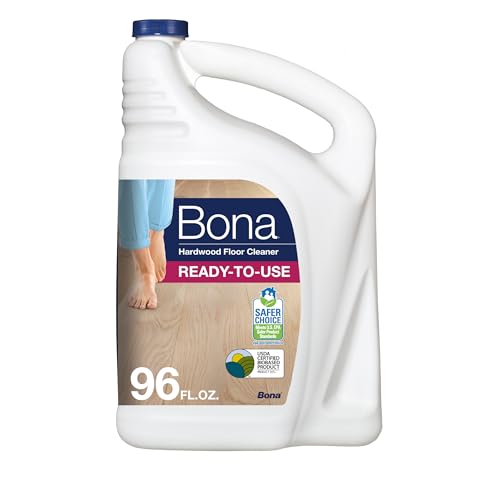
- Use a pH-neutral wood cleaner: Choose a cleaner formulated for hardwood and matched to your finish. Avoid vinegar, ammonia, and oil soaps, which dull or etch the finish.
The Right Way to Damp-Mop
When you do use liquid, less is more. Spray a light mist of hardwood cleaner directly onto the microfiber pad, not the floor, and mop along the grain. The pad should feel damp, never sopping, and you should never see standing water or streaks that take time to dry. Wipe up spills the moment they happen. This gentle approach lifts everyday dirt without ever soaking the wood, and it keeps the finish intact for decades.
What About Sealed or Waterproof Claims?
Some homeowners assume a polyurethane finish makes their floor waterproof enough for steam. It does not. Finishes resist normal spills wiped up quickly, but they are not a vapor barrier, and pressurized steam finds every tiny seam and micro-crack. Even factory-finished, aluminum-oxide floors carry the same steam warning. Treat “water-resistant” as “wipe spills fast,” not as permission to blast the surface with hot vapor.
What About Other Floor Types?
The steam warning is specific to wood, and it helps to know where steam is and is not appropriate so you do not over-generalize. Sealed ceramic and porcelain tile can usually tolerate a steam mop, since the tile body and glaze do not absorb moisture the way wood does, though the grout can suffer over time. Vinyl and laminate, however, join hardwood on the do-not-steam list. Laminate has a fiberboard core that swells irreparably when moisture reaches it, and steam can lift the seams and delaminate the wear layer. Luxury vinyl is more water-tolerant, but manufacturers still generally warn against high-heat steam, which can loosen adhesives and warp planks.
Building a Simple Wood-Floor Care Kit
You do not need fancy gear to keep hardwood pristine, just the right handful of items. Assemble these and you are set for years:
- A quality microfiber dust mop for daily dry sweeping.
- A separate microfiber wet mop or flat mop with washable pads.
- A spray bottle of pH-neutral hardwood cleaner matched to your finish.
- Felt pads for furniture legs and a good doormat to trap grit at the door.
Notice what is not on the list: no steam mop, no vinegar, no oil soap, and no all-purpose spray. Keeping the kit simple removes the temptation to reach for something that will damage the finish.
Deep Cleaning Without Steam
When your floors need more than routine care, say after a party or a long winter, you can still deep clean without a drop of standing water. Work in small sections, misting hardwood cleaner onto the pad and mopping along the grain, then flipping to a dry side to buff each section before it can sit wet. For built-up grime in high-traffic lanes, a slightly heavier application of the same pH-neutral cleaner and a second pass lifts it safely. If the finish looks permanently dull despite cleaning, that is a sign it needs a professional buff-and-recoat, not more moisture.
If You Already Steamed Your Floors
Do not panic if you have used a steam mop a few times. Stop now, keep the room well ventilated, and watch for early warning signs like cupping, haze, or rough seams over the next few weeks. Catching it early means you can switch to dry care before real damage sets in. If you already see cupping or a cloudy finish, consult a flooring professional, since a light buff-and-recoat may rescue the finish before full refinishing becomes necessary.
The Bottom Line
The convenience of a steam mop is not worth the risk to your hardwood. Do not steam clean wood floors, solid or engineered, because the heat and moisture damage the finish, warp the boards, and void your warranty. Stick with regular dry dusting and an occasional barely-damp microfiber mop and pH-neutral cleaner. It is cheaper, easier, and it is the only method the flooring pros will actually stand behind.
Prefer to explore on your own?
See how new flooring looks in your actual room in seconds — free, no signup.
Try the free Floor Studio →

