Homeowners usually shop for steel siding because of one storm: hail that cracked the vinyl, a woodpecker that drilled the cedar, or a wildfire warning that made a noncombustible wall look smart. Steel siding panels answer all three, but only when the gauge, coating and profile fit the house. A thin panel with a cheap paint system can dent, chalk and rust within a decade, while a heavier panel with a good metallic coating and fluoropolymer paint can look sharp for 40 years or more.
The short version: for most homes, choose 26 gauge over 29 gauge if hail or impact is a concern, pick an aluminum-zinc or heavy galvanized base coating, and pay for a high-performance paint finish if you live near the coast or in strong sun. Then pick the profile that suits the architecture, from traditional horizontal lap to modern vertical board-and-batten or corrugated panels.
- What Steel Siding Panels Are Made Of
- 26 vs 29 Gauge: Thickness and Dent Resistance
- Coatings: Galvanized, Aluminum-Zinc and Painted
- Profiles: Lap, Vertical and Corrugated
- Pros and Cons of Steel Siding for Homes
- Installation Overview
- Insulation, Noise and Energy Performance
- Maintenance and Troubleshooting
- Cost Ranges for Steel Siding
- When to Call a Pro
- Frequently Asked Questions
What Steel Siding Panels Are Made Of
Every residential steel panel is a sandwich. At the core is a sheet of carbon steel. On both faces sits a metallic coating that protects the steel from rust. Over that goes a primer and a factory-baked paint layer, and on some products, a textured or wood-grain embossing. Insulated versions add a rigid foam backer that stiffens the panel and boosts wall R-value slightly.
When people search for sheet metal siding or tin siding panels, they are almost always looking at this same coated-steel product. True tin has not been used on houses in generations; the term stuck from old barns and sheds.
26 vs 29 Gauge: Thickness and Dent Resistance
Gauge numbers run backward: the smaller the number, the thicker the steel.
- 29 gauge (about 0.014 inch): common on agricultural buildings, sheds and budget corrugated panels. Lighter, cheaper and easier to cut, but more prone to oil-canning (visible waviness) and hail dents.
- 26 gauge (about 0.018 inch): the usual residential standard for steel house siding. Noticeably stiffer, holds a flatter face and resists everyday impacts like basketballs and lawn debris.
- 24 gauge (about 0.024 inch): used for premium architectural panels and high-wind or high-hail regions. Stiffest and most expensive.
Thicker steel does not make a panel dent-proof. Large hail can still mark 26 gauge, but the dents will be smaller and fewer. Profile shape also matters: ribbed and corrugated designs are stiffer than flat panels of the same gauge.
Coatings: Galvanized, Aluminum-Zinc and Painted
The metallic coating does the real rust-fighting work, and the paint protects that coating while giving you color.
Galvanized steel siding
Galvanized steel is coated in zinc, rated by weight such as G60 or G90 (G90 carries more zinc). Zinc protects sacrificially, meaning it corrodes first and even protects small scratches and cut edges. G90 galvanized steel siding is a solid choice for inland homes and is a common base under painted residential panels.
Aluminum-zinc coated steel
An alloy coating of roughly 55 percent aluminum and 45 percent zinc (often labeled AZ50 or AZ55) resists general atmospheric corrosion longer than galvanized of similar weight, especially in humid climates. Bare aluminum-zinc panels, sold as aluminum-zinc coated steel siding by many suppliers, have a soft silver spangle look popular on modern farmhouse designs. One caveat: cut edges are less self-healing than zinc, and the coating should not be in contact with wet concrete, mortar or treated lumber.
Paint systems
- Polyester (SMP or silicone-modified polyester): the mainstream finish. Good color retention for 20 to 30 years in most climates.
- PVDF fluoropolymer: the premium tier. Best resistance to fading and chalking in harsh sun and coastal air, with longer finish warranties.
- Textured and wood-grain finishes: embossed or printed surfaces that mimic painted cedar, often on steel lap siding.
Profiles: Lap, Vertical and Corrugated
Horizontal lap
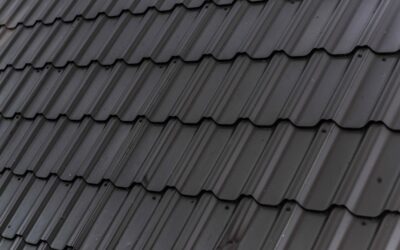
Steel lap siding mimics traditional clapboard or Dutch lap with 4 to 8 inch exposures. It suits colonial, ranch and craftsman homes and is the most common choice when matching a neighborhood of painted wood or vinyl. Horizontal metal siding panels interlock along the top edge and nail through a slotted hem so the steel can expand and contract.
Vertical board-and-batten
Tall panels with raised battens every 12 to 16 inches give a barn or modern farmhouse look. Vertical panels shed water well and reduce the number of horizontal seams where dirt collects.
Corrugated and ribbed
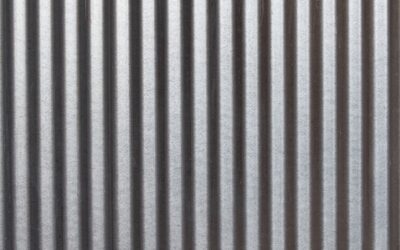
Corrugated steel siding, with its rounded waves, and exposed-fastener ribbed panels bring an industrial character and are the least expensive per square foot. They are common on accent walls, garages and contemporary homes. Concealed-fastener standing-seam style panels give a cleaner modern line at a higher price.
Pros and Cons of Steel Siding for Homes
- Pros: noncombustible, immune to insects and woodpeckers, won’t crack in cold like vinyl, recyclable, long finish warranties, low maintenance.
- Cons: can dent, scratches through to bare steel can rust if not touched up, more expensive than vinyl, can be louder in hail, and conductive (so proper grounding is handled by your electrician if required locally).
Compared with aluminum, steel metal siding is stronger and holds its shape better against impact, while aluminum does not rust at all but dents easily. In coastal salt spray zones, ask suppliers specifically about the coating and paint warranty for your distance from saltwater.
Installation Overview
Steel siding goes over sheathing and a weather-resistive barrier, just like other cladding. A typical sequence:
- Inspect sheathing for rot and fix it. Install house wrap with proper laps and flashing tape at windows and doors.
- Install furring strips if a rainscreen gap is desired, which helps drying and keeps panels flat.
- Set starter strips level at the base and install corner posts, J-channel and trim.
- Hang steel siding panels from the bottom up for lap profiles, nailing in the center of slots and leaving the nail head slightly loose so the panel can move.
- Cut panels with aviation snips, a nibbler or a metal-cutting circular blade; avoid abrasive cutoff wheels, which burn the coating and throw hot particles that rust on the finish.
- Seal and touch up any scratches with the manufacturer’s matching paint.
Wear cut-resistant gloves and safety glasses when handling sheet metal; edges are sharp. Follow ladder safety on any wall work, and leave two-story walls and high gables to a crew with staging.
Insulation, Noise and Energy Performance
Steel itself adds almost nothing to a wall’s insulating value, so energy performance comes from what sits behind it. Insulated steel siding panels with a contoured foam backer add a modest boost and noticeably reduce the hollow sound when you tap the wall. A better upgrade on a full re-side is a layer of rigid foam board over the sheathing, taped at the seams, with furring strips on top to create a drainage gap. Light, reflective paint colors also keep walls cooler in hot climates, and some coatings are rated for high solar reflectance.
Noise worries are usually overstated. On a fully sheathed and insulated wall, rain on vertical siding is quiet; hail is louder than on vinyl, but rarely disruptive indoors.
Maintenance and Troubleshooting
- Chalking or fading: wash with mild detergent and a soft brush once a year. Excessive chalking early on may be a warranty claim.
- Rust spots: usually start at scratches, cut edges or fasteners. Sand lightly, prime with a metal primer and touch up.
- Oil-canning: waviness from overdriven fasteners or thin gauge. Loosening tight fasteners sometimes helps; heavier gauge or striated panels prevent it.
- Dents: small dents can be left alone; a damaged lap course can be unlocked and replaced by a pro using a zip tool.
- Galvanic corrosion: keep copper, pressure-treated lumber and dissimilar metals from touching the panels.
Cost Ranges for Steel Siding
Exposed-fastener corrugated or ribbed panels sit at the low end, often in a general range of $3 to $6 per square foot for material. Residential steel lap and board-and-batten panels commonly run about $4 to $9 per square foot for material, with insulated and premium-painted products higher. Installed costs typically land around $8 to $16 per square foot depending on profile, trim complexity, wall height and old siding removal. Steel sheet siding on a simple garage costs far less per foot than a multi-gable home with many windows.
When to Call a Pro
Hire a siding contractor experienced with metal for full-house jobs, two-story walls, insulated systems and any home that needs sheathing repair. Metal trim details at windows and corners are what separate a clean result from leaks and oil-canning. Ask your building department if your town requires a permit for re-siding and if your HOA restricts colors or profiles.
Frequently Asked Questions
Is 26 or 29 gauge better for steel siding?
For a house, 26 gauge is the better default. It is thicker, flatter and more dent resistant. 29 gauge suits sheds, barns and budget outbuildings.
How long does steel siding last on a home?
Well-coated residential steel siding commonly lasts 40 years or more, with paint finish warranties often running 25 to 40 years depending on the paint system.
Does steel siding rust?
Coated steel resists rust well, but deep scratches, cut edges and contact with dissimilar metals can start corrosion. Prompt touch-up paint prevents most problems.
Is galvanized or aluminum-zinc coating better?
Aluminum-zinc coatings usually last longer in general weathering, while galvanized protects cut edges and scratches better. Both work well under a quality paint system.
Is steel siding good in hail country?
Heavier gauge steel handles hail better than vinyl and many other claddings, but large hail can still dent it. Choose 26 or 24 gauge and a textured or ribbed profile to hide minor marks.