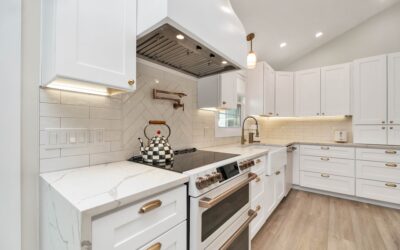
Gray had its decade, and white will never truly leave, but the color quietly winning kitchen renovations right now is taupe. A taupe backsplash tile gives you the clean, current look of a neutral without the cold, clinical feeling that pure gray can bring to a room. It reads warm under morning light and sophisticated under evening bulbs, and it flatters nearly every cabinet color from crisp white to deep walnut. If you want a backsplash that looks intentional today and will not feel dated in eight years, taupe is one of the safest bets on the tile aisle.
Part of our Kitchen Remodeling guide — explore the full guide →
This guide covers what taupe actually is, the tile shapes and materials that show it off best, how to pair grout and cabinets, and the installation details that separate a polished job from an amateur one.
What Taupe Really Is
Taupe sits in a tricky spot on the color wheel, and that ambiguity is exactly why designers love it. At its core, taupe is a grayish-brown, a blend of warm and cool undertones that shifts depending on the light and the colors around it. Some taupes lean pink or mauve, others pull toward green or true gray, and a few skew almost beige. That flexibility is a feature, not a bug: the same tile can look distinctly different in a north-facing kitchen than it does in a sunny south-facing one.
Because taupe carries both a warm brown base and a cool gray overtone, it acts as a bridge color. It lets you mix warm wood tones with cool stainless appliances and quartz counters without the room feeling like it cannot decide what it wants to be.
Why a Taupe Backsplash Tile Works So Well
The backsplash occupies a strange visual role in a kitchen. It is small in square footage but sits directly at eye level, framed by counters below and cabinets above, so it draws far more attention than its size suggests. A taupe backsplash tile earns its keep here because it adds warmth and depth without shouting for attention or competing with busy countertops.
Taupe also hides everyday life better than white or very light tile. Splashes of coffee, tomato sauce, and hard-water spots show up far less on a mid-tone neutral, which means less obsessive wiping and a surface that still looks clean at the end of a busy week. For a working kitchen, that practicality matters as much as the aesthetics.
Best Tile Shapes for Taupe
The shape you choose changes the personality of the color as much as the tile itself. A soft neutral like taupe can go modern, traditional, or transitional depending on the format.
- Subway tile: The classic 3×6 in taupe reads clean and timeless. Run it in a traditional brick offset for a familiar look or stack it vertically for a more contemporary edge.
- Elongated subway: A 2×8 or 3×12 plank feels current and elongates the wall, pairing especially well with shaker cabinets.
- Zellige and handmade tile: Taupe in a zellige-style tile brings subtle color variation and a slightly uneven surface that catches light beautifully.
- Hexagon and mosaic: Small taupe hex or penny-round mosaics add texture and work well as a full backsplash or a focal band behind the range.
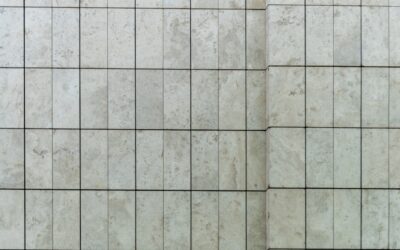
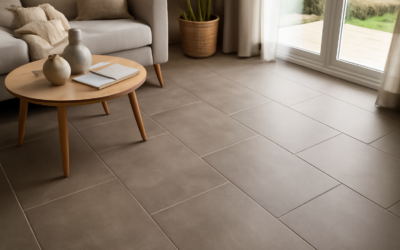
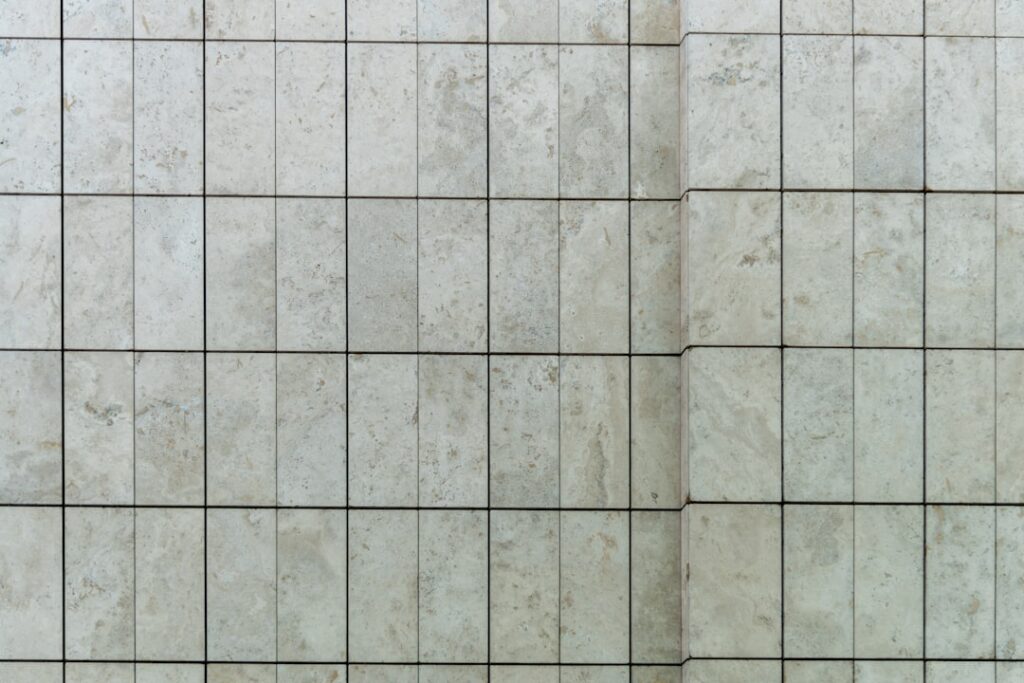
- Large-format slabs: Big taupe porcelain panels minimize grout lines for a seamless, high-end look on a modern backsplash.
Choosing the Right Material
Taupe shows up across nearly every tile material, and each brings a different feel and price point. Match the material to how the kitchen is used and how much you want to spend.
Ceramic and Porcelain
The workhorses of the backsplash world. Glazed ceramic in taupe runs roughly $3 to $10 per square foot and is easy to clean and install. Porcelain costs a bit more, around $5 to $15 per square foot, and is denser and more durable if you want a large-format look.
Natural Stone
Taupe travertine, limestone, and some marbles bring genuine depth and veining. Expect $10 to $30 per square foot plus sealing every year or two, since stone is porous and stains more easily than glazed tile in a kitchen environment.
Glass
Taupe glass tile reflects light and adds a soft sheen, brightening darker kitchens. It typically costs $10 to $25 per square foot and requires a white or matching thinset so the color underneath does not muddy the glass.
Pairing Grout With Taupe
Grout color is the single most overlooked decision on a backsplash, and it can completely change the outcome. With a taupe backsplash tile, you have three main directions.
A grout that matches the tile closely makes the wall read as one continuous, calm surface, which suits large-format and modern installs. A slightly lighter grout, such as a warm greige or soft ivory, gently outlines each tile for subtle definition without harsh contrast. A darker grout, like a mid-gray or espresso, creates a bold grid pattern that turns a simple subway layout into a graphic statement. For most kitchens, staying within one or two shades of the tile keeps the look sophisticated rather than busy.
Matching Cabinets and Counters
Taupe is a team player, but the pairings still deserve thought. Against white or off-white cabinets, taupe adds just enough warmth to soften the scheme without darkening the room. With natural wood cabinets, it echoes the warm undertones and creates a cohesive, organic feel. Paired with deep navy or forest-green lowers, taupe keeps the palette grounded and prevents the darker color from feeling heavy.
On the counter side, taupe backsplash tile flatters white and gray quartz, warm-toned granite, and butcher block alike. If your counter has strong veining, keep the backsplash simple so the two surfaces do not fight. If the counter is a solid color, you have more freedom to add texture or pattern in the tile.
Installation Tips That Make a Difference
Even the right tile looks wrong when it is installed carelessly. A few details separate a professional result from a weekend regret.
- Dry-lay a full row on the counter first to plan your layout and avoid thin slivers at the ends or around outlets.
- Start from a center line or a focal point like the range, working outward so cuts land symmetrically in the corners.
- Use the correct notched trowel for your tile size and back-butter larger pieces for full coverage.
- Keep grout lines consistent with spacers, typically 1/16 to 1/8 inch for a clean modern look.
- Seal natural stone taupe tile and any sanded grout to protect against grease and stains.
Pay special attention to the transition where the backsplash meets the counter and where it ends at an upper cabinet. A neat bead of color-matched caulk, not grout, belongs in those corners because they flex slightly and rigid grout will crack there.
Styling a Taupe Backsplash
Once the tile is up, the surrounding finishes let its versatility shine. Warm brass or matte-black hardware both look sharp against taupe, giving you room to lean modern or traditional. Under-cabinet lighting is worth the investment because it reveals the tile’s subtle undertones and any surface texture, especially on handmade or zellige-style pieces.
Keep counter styling simple so the backsplash stays the quiet backdrop it does best. A few wood cutting boards, a ceramic crock, and some greenery pick up the warm notes in the taupe and tie the whole kitchen together. Because the color is so adaptable, you can refresh the look later with new accessories and paint without ever touching the tile.
Is Taupe Right for Your Kitchen
If you want a neutral that feels warm, hides daily mess, and works with almost any cabinet and counter you already own or plan to install, a taupe backsplash tile is one of the most forgiving choices you can make. It carries the clean, current appeal of a gray without the chill, and it has proven staying power across changing design trends. Choose the shape and material that fit your budget, pair the grout thoughtfully, and you will end up with a backsplash that looks considered today and still looks right many years from now.
Prefer to explore on your own?
See how new flooring looks in your actual room in seconds — free, no signup.
Try the free Floor Studio →