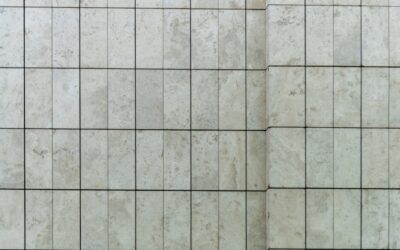
Walk into any model home built in the last five years and you’ll see the same color underfoot: a warm gray-brown that designers call greige. Taupe flooring dominates new construction because it hides dust, complements both warm and cool wall colors, and photographs beautifully for resale listings. Choosing the right shade and material matters more than buyers realize. Get it wrong and you’ll repaint every room in the house. Get it right and you have a 15-year neutral that won’t date your home.
What Taupe Actually Means in Flooring
Taupe sits between gray and brown on the color wheel, with undertones ranging from cool purple-gray to warm caramel. Manufacturers rarely label products “taupe” outright. Instead, look for names like Mannington Heritage Oak, Shaw Paragon Mineral, COREtec Pro Plus HD Avalon Oak, and Mohawk RevWood Plus Boardwalk Collective. These are all taupe under different marketing names.
The undertone is critical. Cool taupes (more gray) pair with white trim and modern décor. Warm taupes (more brown) work with cream trim and traditional furniture. Bring physical samples home and view them under your own lighting for at least 48 hours before committing.
Best Materials for Taupe Floors
Three categories offer the widest taupe selection. Luxury vinyl plank dominates at $3 to $6 per square foot with hundreds of taupe colorways. Engineered hardwood with wire-brushed white oak finished in a smoke or fume stain runs $6 to $11 per square foot. Porcelain tile in wood-look or stone-look planks hits $4 to $9 per square foot and offers the most consistent color from box to box.
- LVP for whole-home installs: COREtec Pro Plus, Shaw Floorte, and Mannington Adura
- Engineered hardwood for living areas: Anderson Tuftex, Hallmark Floors, and Hallmark Alta Vista
- Porcelain for wet rooms: Daltile Emerson Wood, MSI Sygma, and Florida Tile Berkshire
How Taupe Reads in Different Rooms
Lighting changes taupe more than any other neutral. North-facing rooms with cool natural light push taupe toward gray. South-facing spaces with warm afternoon sun bring out the brown. Recessed LED at 3000K reads warm, 4000K reads neutral, and 5000K pushes cool.
Open floor plans demand the same flooring throughout, which means a single taupe shade has to work in every room. Test samples in your darkest room and your brightest room before ordering. A taupe that looks perfect in the kitchen can read muddy in a north-facing den.
Paying Attention to Plank Width and Length
Taupe shows lines more than dark or light colors. Wide planks (7 to 9 inches) make a room feel larger and more contemporary. Standard 5 to 6 inch planks read traditional. Long lengths (48 to 72 inches) reduce seam visibility, while short planks (12 to 24 inches) create a busier look.
For rooms under 200 square feet, stick with planks 5 inches wide or narrower to avoid scale problems. For open spaces above 400 square feet, 7-inch and wider planks deliver the magazine-cover effect.
Design Pairings That Work
Cool taupe pairs naturally with pure white trim (Benjamin Moore Chantilly Lace), soft blue-gray walls (Sherwin-Williams Sea Salt), and matte black hardware. Warm taupe works with cream trim (Benjamin Moore White Dove), sage green walls (Farrow & Ball French Gray), and brushed brass or oil-rubbed bronze.
Avoid orange-toned cabinet stains, mustard yellow accent walls, and pure black trim with warm taupe—they fight the undertones. Pure gray walls with warm taupe floors create a muddy palette that designers call “the swamp.”
Cost and Installation
For a 1,200-square-foot main floor, expect to spend $3,600 to $7,200 on LVP materials, $7,200 to $13,200 on engineered hardwood, or $4,800 to $10,800 on porcelain. Professional installation runs $2 to $4 per square foot for LVP, $3 to $6 for hardwood, and $7 to $12 for tile.
Order 10% extra for waste on standard rooms, 15% for diagonal layouts, and 20% for herringbone or chevron patterns. Always order full boxes from a single dye lot to avoid color shift.
Maintenance to Preserve the Color
Taupe shows footprints and pet hair more than dark floors but hides dust better than light floors. Sweep daily with a microfiber dust mop. Damp mop weekly with Bona Pro Series ($28 per gallon) or the manufacturer-recommended cleaner.
UV exposure is the biggest enemy. Direct sunlight fades warm taupes toward pink within 3 to 5 years. Install solar window film with at least 50% UV rejection in any room with sustained direct sun, especially south and west exposures.
Common Mistakes to Avoid
Three errors come up repeatedly. Buying a taupe sample under store fluorescent lighting and not viewing it at home. Mixing cool-undertone taupe floors with warm-undertone cabinets, creating constant visual tension. Choosing a high-gloss finish, which exaggerates every footprint and dust mote on a neutral floor.
Stick to matte or low-sheen finishes (5 to 15 GU sheen rating), buy your floor before painting the walls, and view three or four samples in your home before signing the order. A well-chosen taupe floor disappears into the background and lets the rest of your design shine.
Prefer to explore on your own?
See how new flooring looks in your actual room in seconds — free, no signup.
Try the free Floor Studio →