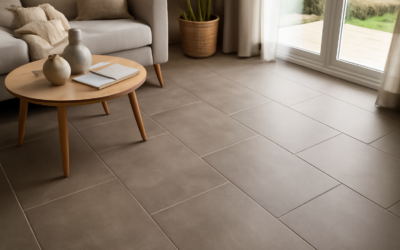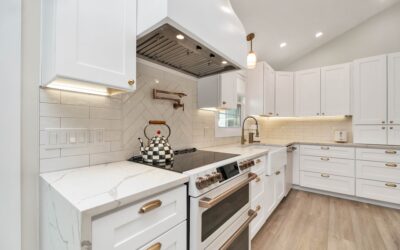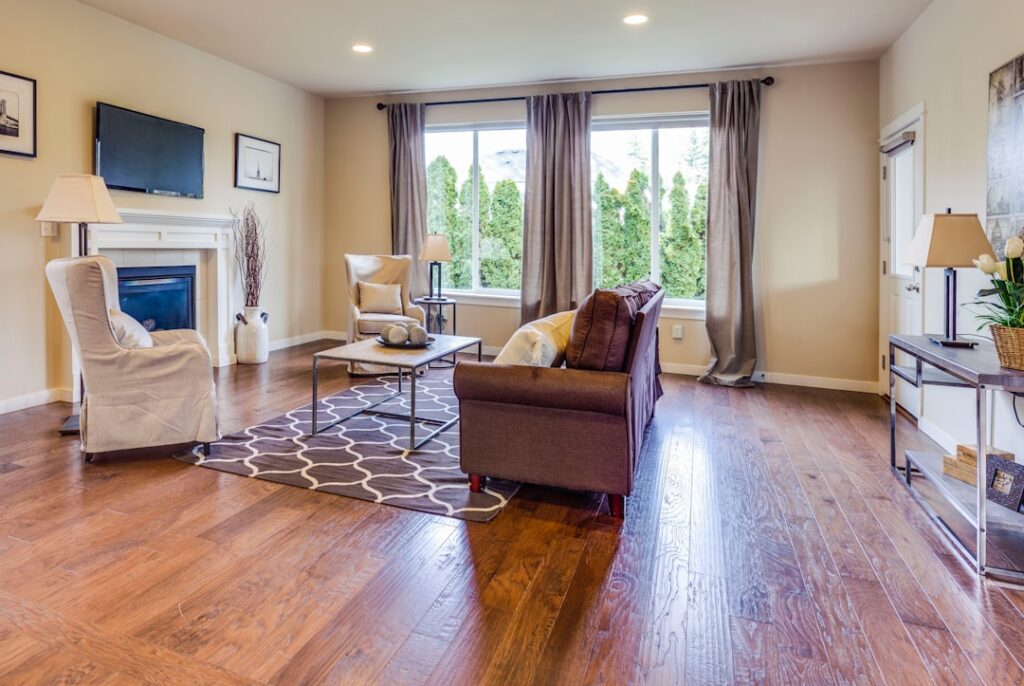
Walk through any 2026 model home and you will see the same neutral tone repeating across the main level: a soft, slightly warm gray-brown that designers call taupe. Taupe vinyl flooring has quietly replaced the cool grays that dominated 2018 to 2022, because taupe pairs cleanly with white oak cabinetry, warm brass hardware, and the muted greens and creams driving current paint trends. Every major LVP manufacturer now stocks five to twelve taupe SKUs, and choosing between them comes down to undertone, wear layer, and budget.
- What Taupe Actually Looks Like in a Plank
- Construction Categories at the Taupe Price Point
- Brands That Get Taupe Right
- Why Taupe Outperforms Gray in Daily Use
- The Cons Worth Knowing
- Install Notes That Protect the Look
- Cleaning to Keep Taupe Looking Right
- Pairing Taupe With Wall and Cabinet Colors
- Stairs, Transitions, and Trim Details
What Taupe Actually Looks Like in a Plank
True taupe sits between warm gray and light brown, with greige and beige relatives on either side. Quality taupe LVP carries multiple visual layers: a base color tone, a printed wood grain in slightly darker brown, painted bevels that read just darker than the field, and a low-sheen embossed-in-register texture. The undertone matters more than the brand name. Cool taupes lean toward gray and look right next to white quartz countertops. Warm taupes lean toward brown and pair with butcher block, leathered granite, or honed limestone.
Hold a sample against your countertop and cabinet samples in north-window daylight before committing. Showroom fluorescents distort undertone every time.
Construction Categories at the Taupe Price Point
SPC (stone polymer composite) and WPC (wood polymer composite) are the two LVP cores that dominate. SPC is denser and more dent-resistant, runs 4mm to 7mm thick, and feels firmer underfoot. WPC is softer and warmer, typically 6mm to 8mm thick, with better acoustic performance. Both come in click-lock floating install, though glue-down SPC is gaining ground in commercial taupe specs.
- Budget SPC taupe, 12-mil wear layer: $1.69 to $2.49 per sq ft
- Mid SPC taupe, 20-mil wear layer: $2.79 to $3.99 per sq ft
- Premium SPC or WPC taupe, 22-mil wear layer: $4.29 to $6.49 per sq ft
- Designer engineered vinyl, painted bevels: $5.50 to $8 per sq ft
Brands That Get Taupe Right
COREtec Originals Premium in colors like Highlands Oak and Vineyard Barrel Driftwood delivers warm taupe with the brand’s cork acoustic backing. Shaw Floorte Pro Endura HD offers Tomahawk and Pillar taupe options at the 20-mil wear-layer mark. Mohawk SolidTech Plus produces neutral taupes with the brand’s M-Force surface and a 25-year residential warranty. Karndean Korlok Select sells designer-grade taupe LVP at the $7 range with painted micro-bevels for high-end residential work.
For value tier, Lifeproof and TrafficMaster from Home Depot both stock multiple taupe options between $2 and $3 per square foot.
Why Taupe Outperforms Gray in Daily Use
Cool grays show every speck of dust, lint, and pet hair within minutes of vacuuming. Taupe hides debris because its base tone falls closer to natural floor soiling, especially in households with light-colored pets. Scratches on taupe vinyl read as similar-tone wear rather than the white scuff lines that announce themselves on dark gray. Resale value follows the same logic. Listings photographed with taupe floors sit on the market 8 to 12 days less than equivalent cool-gray listings in current MLS data.
Taupe also bridges design eras gracefully. It works under transitional, modern farmhouse, contemporary, and even traditional decor without fighting the room.
The Cons Worth Knowing
Color matching across boxes is the first concern. Taupe with multiple print plates can shift dye lot more visibly than a high-contrast wood-look. Always order from one dye lot and inspect three boxes before install. Texture is the second issue. Smooth-finish taupe LVP shows water spots and shoe prints more than embossed surfaces, especially in entryways. EIR texture is worth the small premium.
Wear layer matters more than color. A beautiful 6-mil taupe will scuff under desk casters within a year, while a 20-mil version of the same color shrugs off heavy traffic.
Install Notes That Protect the Look
Acclimate planks flat in the install room for 48 hours at 65 to 85 degrees Fahrenheit. Leave a 1/4″ expansion gap at every vertical surface. Stagger end joints at least 8″ apart and mix planks from at least four boxes simultaneously to distribute color variation. For SPC over concrete, confirm the subfloor passes ASTM F1869 at 3 lb MVER or below, and lay a 6-mil poly vapor retarder if the spec sheet allows.
On stairs, order matching stair nose at the same time as the planks because color discontinuation is common 18 months after a SKU launches.
Cleaning to Keep Taupe Looking Right
Dry sweep or vacuum with a hard-floor setting two to three times a week. Damp mop weekly with a neutral pH cleaner like Bona Pro Hard Surface or Bruce Clean. Avoid steam mops and oil soaps because both can dull the urethane wear layer over time. For pet households, microfiber wet mopping outperforms a sponge mop on hair removal.
Taupe vinyl flooring is the safest neutral choice for 2026 builds and remodels because it pairs with the dominant cabinetry, paint, and countertop trends without locking the room into a single style era.
Pairing Taupe With Wall and Cabinet Colors
Taupe LVP pairs best with off-white or warm white walls, including Sherwin-Williams Alabaster, Benjamin Moore Swiss Coffee, and Benjamin Moore White Dove. For cabinetry, white shaker doors with brass or matte black hardware sit cleanly over taupe floors. Natural white oak cabinetry creates a layered tone-on-tone look that reads upscale. Avoid pairing taupe floors with cool gray cabinets because the undertone clash makes both surfaces look muddy in daylight.
For countertops, light quartz with warm beige veining (Cambria Brittanicca, Caesarstone Calacatta Nuvo) and leathered granite both complement taupe floors. White marble in honed finish also reads correctly over warm taupe LVP.
Stairs, Transitions, and Trim Details
Order matching stair nose with the original plank order because color matching after 12 to 18 months gets difficult as SKUs rotate. Use a 1.5″ flush stair nose for most residential applications. T-molding handles transitions to similar-thickness floors, and reducers handle transitions to thinner flooring like tile or hardwood. For baseboards over taupe LVP, white painted MDF base in 3-1/4″ or 4″ profile is the most popular choice, but a stained baseboard matching the floor reads warmer in farmhouse and transitional homes.
Quarter round is optional. Some installers skip it with click-lock LVP because the baseboard already covers the expansion gap, while others install it for a cleaner finished look.
Prefer to explore on your own?
See how new flooring looks in your actual room in seconds — free, no signup.
Try the free Floor Studio →