Taupe carpet sits in that hard-to-beat sweet spot between gray and beige, and it has quietly become one of the most requested neutrals in residential flooring. If you want a floor that disappears into the background, flatters almost any wall color, and forgives the everyday traffic of a busy household, taupe deserves a serious look. It reads warm enough to feel cozy yet cool enough to look modern, which is exactly why designers reach for it so often.
Choosing the right shade and fiber matters more than most homeowners expect. Get it right and your rooms feel calm, current, and easy to decorate around. Get it wrong and the floor can look muddy, pink, or oddly green under the wrong lighting. This guide walks you through what taupe really is, how to pick the best version for your home, and how to keep it looking good for years.
What Exactly Is Taupe?
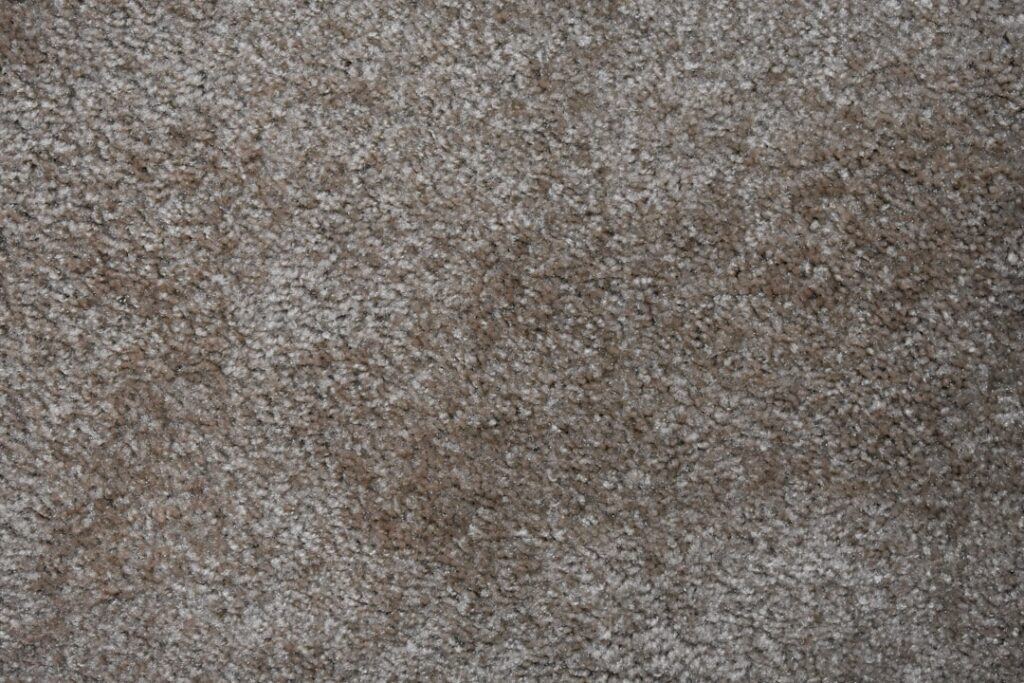
Taupe is a grayish-brown that blends earthy warmth with neutral restraint. The word originally referred to the brownish-gray fur of a mole, and that is a useful mental picture. True taupe leans neither fully brown nor fully gray, but commercial carpet lines stretch the definition in both directions.
You will see warm taupes that carry hints of mushroom, fawn, or soft caramel, and cool taupes that drift toward greige (gray plus beige) with subtle violet or green undertones. The undertone is the single most important detail. Hold a sample against your wall paint, your trim, and your largest piece of furniture before committing, because a taupe that looks perfect in the store can shift dramatically under home lighting.
Why Homeowners Love Taupe Carpet
The biggest practical advantage is camouflage. Taupe hides dirt, dust, and light foot traffic far better than pale beige or true gray, both of which show every crumb and shadow. For stairs, hallways, and family rooms, that translates into fewer visible scuffs between vacuum sessions.
It is also one of the most flexible backdrops in design. Taupe pairs beautifully with whites and creams for a soft, layered look, with navy or charcoal for contrast, and with blush, sage, or terracotta accents for warmth. Because it bridges warm and cool palettes, you can redecorate around it for years without ever needing to replace the floor. That longevity of style is a real money-saver.
Choosing the Right Shade of Taupe
Lighting is everything. North-facing rooms get cool, bluish daylight that can make a cool taupe look gray or even lavender, so a warmer taupe usually balances it better. South- and west-facing rooms flood with warm light, which can push a warm taupe toward beige or pink, so a more neutral or slightly cool shade holds its color.
- Order large samples, not chips. A 12-by-12-inch swatch tells you far more than a two-inch card.
- View samples at three times of day: morning, midday, and under your evening artificial lights.
- Lay the sample flat on the floor, not held up vertically, so light hits it the way it will once installed.
- Check the undertone against fixed elements like trim, cabinets, and stone you will not be changing.
Fiber and Construction Options
Color is only half the decision. The fiber and pile style determine how the carpet feels, wears, and cleans.
- Nylon: The most durable mainstream fiber, resilient and resistant to crushing. Ideal for stairs and high-traffic zones, though typically pricier, often running roughly $3 to $6 per square foot for the material alone.
- Polyester (PET): Naturally stain-resistant and luxuriously soft, with rich color clarity that suits taupe well. Generally more affordable, often around $2 to $4 per square foot, but it can mat in heavy-traffic areas.
- Triexta: A newer fiber praised for built-in stain resistance and durability, a strong middle-ground choice for families with kids and pets.
- Wool: A premium natural option with unmatched feel and resilience, but at a noticeably higher cost and with more demanding care.
For pile style, a plush or saxony gives a smooth, formal look but shows footprints; a textured or frieze (twist) hides traffic patterns and is the friendlier pick for active homes. A low-profile loop like a level loop or patterned Berber resists matting in busy spaces.
Best Rooms for Taupe Carpet
Bedrooms are the most natural fit. A soft, warm taupe underfoot makes a bedroom feel restful and inviting, and bedrooms see lighter traffic, so you can prioritize comfort. Living rooms and family rooms also work well, especially in a textured fiber that masks daily wear.
Stairs and hallways benefit from taupe’s dirt-hiding talent, but choose a durable nylon or triexta there. Many homeowners skip carpet entirely in kitchens, bathrooms, and entryways where moisture and spills are constant. If you want the look in a basement, confirm the space stays dry and consider a moisture-resistant pad.
Cleaning and Maintaining Taupe Carpet
Routine care keeps taupe looking its best. Vacuum high-traffic areas twice a week and the rest of the home weekly, using a vacuum with adjustable height for the pile. Blot spills immediately with a clean white cloth, working from the outside in so you do not spread the stain, and never scrub aggressively.
For spot cleaning, test any product on a hidden area first and follow the carpet manufacturer’s instructions, since the wrong cleaner can void a stain warranty or leave a lightened patch that stands out against the surrounding fibers. Professional hot-water extraction every 12 to 18 months lifts embedded soil that home vacuums miss and helps maintain the color depth. Place walk-off mats at entrances and use furniture coasters to prevent permanent dents.
Is Taupe Carpet Right for You?
If you want a flooring color that stays stylish through changing trends, hides everyday mess, and gives you total freedom in decorating, taupe is one of the safest and smartest neutrals available. The keys to success are simple: test large samples in your own light, match the undertone to your fixed finishes, and pair the right fiber with how each room is actually used.
Take your time with samples, and do not rush the undertone check. A weekend of careful comparison protects an investment you will live with for a decade or more, and it is the difference between a floor you tolerate and one you genuinely enjoy.