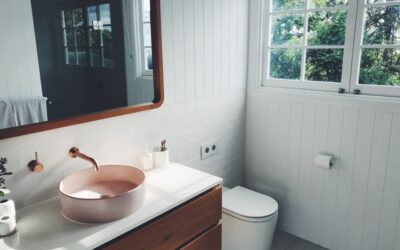
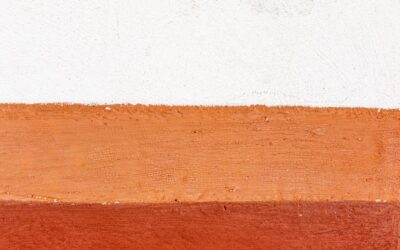
Terracotta bathroom tile brings a warmth that cool ceramics and crisp porcelain simply cannot match. The earthy orange-red clay, fired into tile, gives a bathroom a Mediterranean, Southwestern, or rustic European character that feels handmade and timeless. It is having a real moment in interior design, showing up in everything from cottage bathrooms to high-end spa retreats. But terracotta is a porous, natural material, and using it in a wet room takes a bit more knowledge than slapping down standard tile. Done right, it is gorgeous and durable. Done carelessly, it stains and absorbs water. Here is how to do it right.
Part of our Bathroom Remodeling & Flooring guide — explore the full guide →
What Terracotta Tile Actually Is
Terracotta means “baked earth” in Italian, and that is literally what it is: natural clay tile fired at a relatively low temperature. That firing leaves the tile porous, with a characteristic warm, matte, earthy color that ranges from soft pink-orange to deep rust. Each tile has subtle variation, which is part of the appeal, and handmade Saltillo and other traditional terracottas have an irregular, organic charm.
That porosity is the key thing to understand. Unlike glazed porcelain, raw terracotta drinks up water and stains, which is exactly why sealing is the single most important part of using it in a bathroom.
Can You Use Terracotta in a Bathroom
Yes, and people have for centuries, but with proper preparation. The concern is moisture. Because terracotta is porous, an unsealed tile in a wet bathroom will absorb water, stain, and potentially harbor mildew. The solution is thorough sealing, which transforms terracotta into a perfectly serviceable bathroom surface.
Where you use it matters too. Terracotta floors and feature walls outside the direct shower spray are the easiest applications. Inside a shower, terracotta is possible but demands meticulous, ongoing sealing, and many homeowners reserve it for the floor and surrounding areas rather than the shower walls. Sealed glazed terracotta-look porcelain is a low-maintenance alternative if you love the look but not the upkeep.
Sealing Is Everything
This is the part you cannot skip or rush. Raw terracotta must be sealed before grouting and after, often with multiple coats, to make it water-resistant and stain-resistant.
- Penetrating sealer: Soaks into the clay to block water absorption from within. The essential first defense.
- Topical sealer or finish: Sits on the surface and adds sheen and protection. Some prefer a natural matte look and use only penetrating sealer.
- Resealing: Terracotta needs periodic resealing, more often in a bathroom than elsewhere, to maintain protection.
Test whether the seal is holding by dripping water on the tile; if it beads, you are protected, and if it soaks in and darkens, it is time to reseal. In a bathroom, expect to reseal more frequently than you would for a dry living-room floor.
Slip Resistance and Safety
One genuine advantage of terracotta in a bathroom is traction. The natural matte, slightly textured surface offers good slip resistance, especially compared to glossy ceramic or polished stone that becomes treacherous when wet. That makes it a sensible choice for a bathroom floor, where wet-floor safety matters. The trade-off is that the same texture and porosity mean it needs the sealing care described above. A well-sealed terracotta floor gives you both warmth and grip, a combination glossy tile cannot.
Styles and Shapes
Terracotta is more versatile than its rustic reputation suggests.
- Classic square and Saltillo: Traditional, handmade-look tiles with warm color variation, perfect for rustic and Mediterranean baths.
- Hexagon and geometric: Modern shapes that give terracotta a contemporary, designer feel.
- Subway and rectangular: A fresh take that works on walls and in transitional spaces.
- Glazed terracotta: Comes pre-sealed with a glaze, sidestepping much of the porosity worry while keeping the warm base.
Pair terracotta with white grout and fixtures for a fresh look, or with deep greens, blues, and brass for a richer, more dramatic scheme.
Cost Expectations
Terracotta spans a wide price range depending on whether it is machine-made or handmade. Machine-made terracotta and terracotta-look porcelain can start around $3 to $8 per square foot, while authentic handmade Saltillo and artisan tiles run higher, often $8 to $20+ per square foot. Factor in the cost of sealer and the labor of multiple sealing coats, which adds to a terracotta install compared to a pre-glazed tile. Professional installation is wise for a bathroom, given the sealing steps and waterproofing involved.
Cleaning and Care
Caring for terracotta is gentle work. Sweep or vacuum regularly to keep grit off the surface, and damp-mop with a pH-neutral cleaner made for natural and porous tile. Avoid acidic cleaners like vinegar and harsh chemicals, which can damage the sealer and etch the clay. Wipe up standing water promptly, especially around the tub and sink. Keep up with resealing on schedule, and your terracotta will deepen in character over the years rather than degrade. A well-maintained terracotta floor genuinely looks better with age.
Designing Around Terracotta
Terracotta’s warm tone gives you a strong design direction to build on. For a fresh, airy bathroom, pair the tile with white walls, white fixtures, and natural wood vanities; the result reads bright and Mediterranean rather than heavy. For a richer, more dramatic space, lean into earthy partners like deep forest green, olive, ochre, and warm brass fixtures, which make the terracotta glow. Plaster or limewash walls in a soft neutral complement the handmade character beautifully.
Lighting matters with terracotta. Warm-toned bulbs deepen the clay’s orange-red and make the room feel cozy, while very cool light can flatten the color and make it look dull. Plants, woven textures, and unglazed pottery accessories all play to terracotta’s organic, grounded mood. Keep the rest of the palette warm and natural, and the tile becomes the soul of the room rather than just a floor.
Final Thoughts
Terracotta bathroom tile delivers warm, earthy, timeless character and naturally good slip resistance, making it a beautiful and practical choice for a bathroom floor. The one non-negotiable is sealing: seal it thoroughly, reseal it regularly, and keep acidic cleaners away. Respect the material’s porosity, and terracotta rewards you with a bathroom that feels handcrafted and only grows more characterful with time.
Prefer to explore on your own?
See how new flooring looks in your actual room in seconds — free, no signup.
Try the free Floor Studio →