Smooth, glassy hardwood looks stunning in a showroom and shows every scuff, paw print, and grain of sand the day after you move in. Textured hardwood flooring solves that problem by building character into the surface itself, so minor wear blends in instead of standing out. From subtle wire-brushing to deep hand-scraped grooves, these finishes have become the go-to choice for busy families, pet owners, and anyone who wants a floor that looks better with age rather than worse. Here is how the main styles compare and what they cost.
- What Makes a Hardwood Floor Textured
- The Main Texture Styles Compared
- How Texture Hides Wear and Tear
- What Textured Hardwood Costs
- Engineered Versus Solid Textured Flooring
- Caring for a Textured Floor
- Matching Texture to Your Decor Style
- Texture and Real-World Durability
- Is Textured Hardwood Right for Your Home
What Makes a Hardwood Floor Textured
Textured hardwood has a surface that is intentionally worked rather than sanded perfectly flat. Manufacturers and craftsmen use brushes, blades, and tools to add depth, grooves, and tactile variation across each plank.
That texture does more than look good. It diffuses light so reflections do not highlight every imperfection, and it gives the floor a low-sheen, matte appearance that hides dust and footprints. The result reads as warm and lived-in rather than slick and clinical.
The Main Texture Styles Compared
Each technique produces a distinct look and level of ruggedness. Choosing among them is mostly about how much character and how much scratch-hiding you want.
- Wire-brushed: A wire brush removes the soft grain, leaving subtle grooves that follow the wood’s natural pattern. The most popular and versatile texture, it hides scratches well while staying refined.
- Hand-scraped: Each plank is scraped to create undulating, slightly uneven surfaces with a rustic, old-world feel. Excellent at masking dents and dings.
- Distressed: Deliberately aged with dents, wormholes, and color variation for a reclaimed appearance. The most dramatic and forgiving of all.
- Brushed and oiled: Combines a light texture with a penetrating oil finish for a soft, natural matte look.
How Texture Hides Wear and Tear
The practical appeal of textured flooring is real. On a smooth, high-gloss floor, a single scratch catches light and becomes obvious from across the room. On a wire-brushed or hand-scraped surface, that same scratch disappears into the existing grooves.
This makes textured hardwood ideal for entryways, kitchens, and homes with dogs whose nails would shred a glossy finish in months. The texture essentially camouflages the everyday damage that ages a smooth floor prematurely.
What Textured Hardwood Costs
Texturing adds labor, so these floors generally run a bit more than smooth equivalents. Pricing depends heavily on species, grade, and whether the texturing is machine-applied or hand-done.
- Wire-brushed engineered oak: $5 to $10 per sq ft for materials.
- Hand-scraped solid hardwood: $7 to $14 per sq ft, with true hand work at the top of that range.
- Distressed exotic species: $8 to $15 per sq ft.
- Installation labor: typically $3 to $6 per sq ft on top of materials.
Genuine hand-scraped floors, where a craftsman works each board individually, cost the most because no two planks are identical.
Engineered Versus Solid Textured Flooring
Both solid and engineered hardwood come in textured finishes, and the choice mirrors the usual trade-offs. Solid textured planks can be sanded and refinished multiple times, though aggressive sanding removes the texture you paid for.
Engineered textured flooring is more dimensionally stable, handles humidity and basements better, and often arrives prefinished with a tough factory texture. For most homeowners in variable climates, engineered is the more practical pick, while solid suits those wanting maximum longevity in a stable, ground-level space.
Caring for a Textured Floor
Texture changes the cleaning routine slightly. Grooves can trap dust, so regular vacuuming with a hard-floor setting works better than a dry mop that skips over the low spots. Avoid steam mops and excess water, which damage any hardwood over time.
Use cleaners formulated for hardwood rather than all-purpose sprays, and reapply finish or oil according to the manufacturer’s schedule on oiled floors. The upside is forgiveness: because texture hides minor wear, these floors need refinishing far less often than smooth ones.
Matching Texture to Your Decor Style
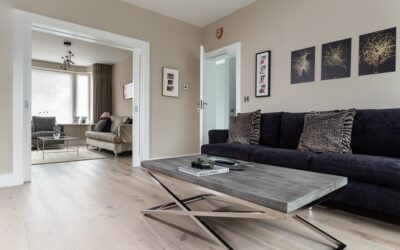
Texture sends a strong design signal, so it pays to match it to your home’s overall look. Wire-brushed oak in a light, natural tone suits modern, transitional, and coastal interiors, where its subtle grain adds warmth without looking busy. Its restraint is exactly why it has become the default choice in new builds and remodels alike.
Hand-scraped and distressed floors lean rustic, farmhouse, and traditional. They pair beautifully with exposed beams, stone fireplaces, and antique furniture, where a too-perfect floor would feel out of place. Darker, heavily distressed planks anchor a room with a sense of age and history that smooth flooring cannot replicate.
Texture and Real-World Durability
Beyond looks, texture changes how a floor handles daily life. The grooves and variation break up the surface so that the inevitable scratches from pets, kids, and furniture blend in rather than catching the eye. This is a genuine functional advantage, not just a cosmetic one.
Keep in mind that texture is a surface treatment, so the underlying wood species still governs hardness. A textured pine floor will dent more easily than textured oak or hickory, regardless of the finish. For high-traffic homes, pairing a forgiving texture with a hard species like oak, hickory, or maple gives you the best of both durability and disguise.
Is Textured Hardwood Right for Your Home
If you want a floor that looks intentional, hides daily life, and adds warmth, textured hardwood flooring delivers on all three. Wire-brushed oak is the safe, broadly appealing choice, hand-scraped suits rustic and traditional interiors, and distressed fits a reclaimed or farmhouse aesthetic. Match the texture to your decor and your tolerance for upkeep, and you end up with a floor that looks great not just on install day but for decades after.
Prefer to explore on your own?
See how new flooring looks in your actual room in seconds — free, no signup.
Try the free Floor Studio →