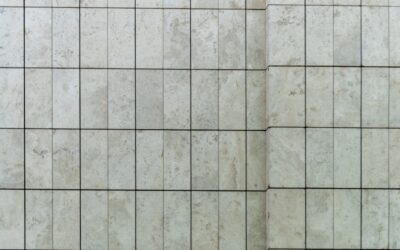
A textured tile backsplash transforms a flat kitchen wall into a surface that plays with light and shadow throughout the day. Unlike glossy flat tile, a textured tile backsplash carries ridges, waves, dimensional relief, or hand-tooled irregularity that adds tactile interest without relying on bold color. Homeowners drawn to quiet, sophisticated kitchens increasingly reach for texture because it delivers character even in an all-white or neutral palette.
Part of our Kitchen Remodeling guide — explore the full guide →
Choosing the right texture involves balancing looks, maintenance, and budget. Some finishes hide fingerprints and water spots beautifully, while deeply carved surfaces can trap grease near a cooktop. Understanding these trade-offs before you buy saves you from regret once the tile is grouted and set.
What Makes a Backsplash Tile “Textured”
Texture refers to any surface relief you can feel or that catches light differently across its face. Manufacturers create it several ways: pressing three-dimensional patterns into ceramic, hand-glazing so the coating pools unevenly, tumbling stone to soften edges, or molding glass with ripples. The result ranges from subtle, barely-there grain to dramatic sculptural relief that projects half an inch off the wall.
Common texture styles include:
- Handmade or “zellige” look: Slight waviness and glaze pooling that reads artisanal.
- 3D geometric: Chevrons, scales, and faceted diamonds that create sharp shadow lines.
- Fluted or ribbed: Vertical grooves that add quiet vertical rhythm, currently very popular.
- Split-face stone: A rugged, layered ledger appearance in slate, quartzite, or marble.
- Crackle glaze: Fine surface fissures over ceramic for a vintage, aged feel.
Best Materials for a Textured Backsplash
Ceramic and porcelain dominate the category because manufacturers can mold texture consistently and price it affordably, typically $4 to $15 per square foot. Handmade ceramic and imported zellige climb to $15 to $30 per square foot, and their charm comes precisely from color and thickness variation panel to panel.
Natural stone brings authentic depth. Tumbled travertine, split-face slate, and marble mosaics deliver texture no factory can fully replicate, running $10 to $40 per square foot. Glass tile with a rippled or reeded face reflects light and reads bright and modern, usually $12 to $30 per square foot. Metal tiles in stainless, copper, or brushed bronze bring an industrial edge, though they cost more and dent if struck. Match the material to how hard your kitchen works before committing.
Where Texture Works Best
Consider the whole room before you specify a deeply carved surface. A busy zone directly behind a gas range collects splattered oil, and heavy relief means more crevices to scrub. In those spots, a shallow fluted profile or a lightly tumbled stone cleans far more easily than a deep 3D scale pattern.
Texture shines as a feature wall, in a coffee nook, behind open shelving, or on a bar backsplash where cooking splatter is minimal. Many homeowners run smooth subway tile behind the cooktop and reserve a bold dimensional tile for the wall flanking a window or hood, giving the eye a focal point without a maintenance headache.
Pairing Texture with Your Kitchen Style
Texture reads differently depending on the surrounding finishes. In a modern kitchen with flat-panel cabinets and quartz counters, a monochrome fluted or geometric tile keeps things clean while adding subtle movement. Traditional and farmhouse kitchens lean toward handmade ceramic, crackle glaze, or tumbled stone that feels collected over time.
Color strategy matters too. When a backsplash carries strong physical texture, a neutral or tonal color keeps it from overwhelming the space. White, greige, sage, and soft terracotta let the surface relief do the talking. If you want both bold color and texture, limit it to a small run so the kitchen still feels calm rather than busy.
Installation Considerations
Textured tile demands more from the installer than flat tile. Uneven faces mean grout lines require careful attention, and deeply dimensional tiles may need back-buttering to ensure full mortar coverage. Plan the layout so cut edges land in inconspicuous spots, and dry-lay a section first to confirm the pattern flows correctly across the wall.
Keep these installation points in mind:
- Use a white thin-set mortar under glass and light stone to avoid shadowing through the tile.
- Choose an unsanded grout for glass and polished tile to prevent scratching; sanded grout suits wider joints on stone.
- Seal natural stone and unglazed ceramic before grouting so grout haze does not stain the porous surface.
- Account for the added depth of 3D tile at outlets; you may need outlet box extenders to bring receptacles flush.
Professional installation for a standard 30 to 40 square foot backsplash typically runs $10 to $25 per square foot in labor, higher for intricate mosaics or stone that requires sealing.
Cleaning and Maintenance
Maintenance depends heavily on the finish. Glazed ceramic and porcelain wipe clean with a damp cloth and mild dish soap, and their sealed surface resists grease even when textured. Deep relief patterns collect more grime, so a soft-bristle brush helps you reach into grooves during weekly cleaning.
Natural stone and unglazed tile need resealing every one to two years to stay stain-resistant. Avoid acidic cleaners like vinegar or lemon on marble and travertine, which etch the surface. For crackle-glaze tile, seal the crackle lines during installation, since unsealed fissures absorb coffee, wine, and cooking oils over time. A quick habit of wiping splatter before it dries keeps any textured surface looking fresh for years.
Cost and Value
Budget for tile, mortar, grout, sealer, trim pieces, and labor. A modest ceramic textured backsplash for an average kitchen might total $500 to $1,200 installed, while handmade zellige or natural stone can reach $2,000 to $4,000 or more. Because a backsplash covers a relatively small area, it is one of the highest-impact upgrades per dollar in a kitchen, and buyers consistently notice quality tile work.
To manage cost without cheapening the look, splurge on a premium tile for a small feature run and use an affordable coordinating tile elsewhere. Order 10 to 15 percent extra to cover cuts, breakage, and future repairs, since dye lots change and matching later is difficult.
Lighting Brings Texture to Life
Texture and lighting work together, and ignoring one undercuts the other. A dimensional tile reads flat under diffuse overhead lighting but comes alive with directional light that rakes across the surface. Under-cabinet LED strips mounted at the front edge of the cabinet throw light down the wall, deepening every shadow line and making fluted or 3D tile look sculptural rather than uniform.
Consider the color temperature too. Warm light around 2,700K flatters handmade ceramic and stone, emphasizing their earthy tones, while cooler 3,500K to 4,000K light sharpens the crisp geometry of modern tile. If your kitchen relies on a single ceiling fixture, a bold 3D backsplash may disappoint, so plan under-cabinet lighting into the project from the start to get the full effect of the texture you paid for.
Is a Textured Backsplash Right for You?
A textured tile backsplash rewards homeowners who want depth and craftsmanship rather than flat, predictable surfaces. If you cook heavily and dread scrubbing, choose a shallow fluted profile or lightly tumbled stone and keep dramatic 3D tile away from the range. If maintenance is a lower concern and you crave visual richness, a hand-glazed or sculptural tile becomes the defining feature of the room.
Weigh your cooking habits, cleaning tolerance, and design goals, then request physical samples and view them in your own kitchen light before ordering. Texture is one of the few backsplash choices you experience with both your eyes and your hands, and getting it right delivers a kitchen that feels custom and enduring.
Prefer to explore on your own?
See how new flooring looks in your actual room in seconds — free, no signup.
Try the free Floor Studio →