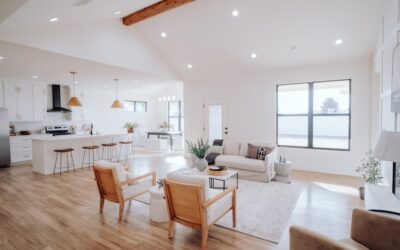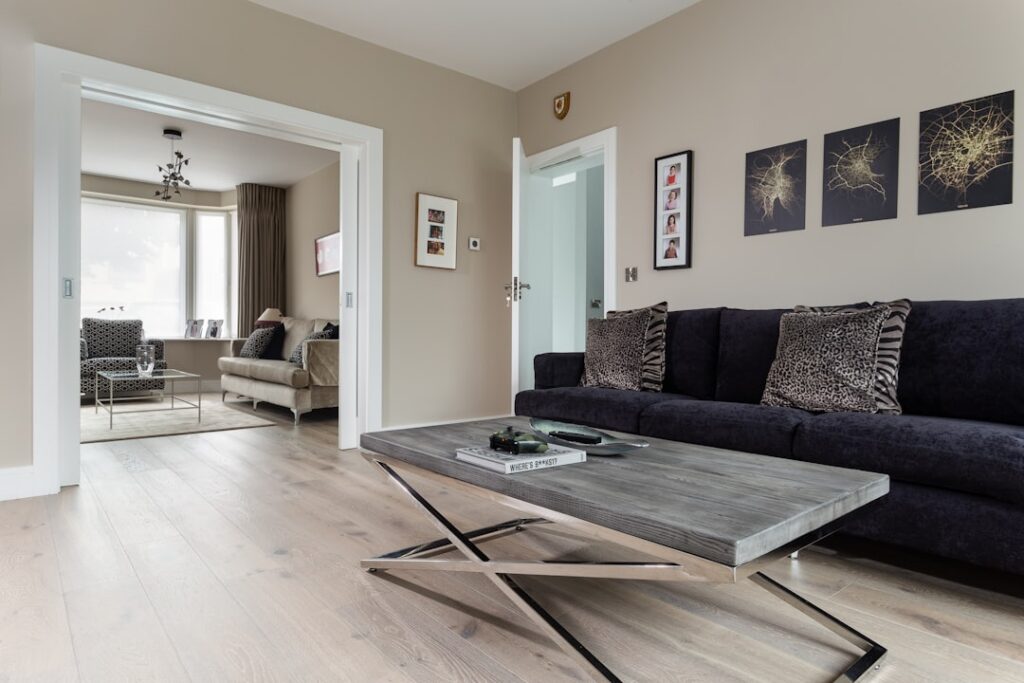
Smooth hardwood shows every scratch, every heel mark, every dog-nail gouge. A floor with surface texture swallows that same damage into a rich, worn-in look that ages gracefully over decades. Textured wood flooring — hand-scraped, wire-brushed, distressed, or saw-marked — has quietly become one of the most-specified finishes in contemporary American homes. The category covers three distinct techniques, each creating a different visual and tactile experience. This guide walks through how each texture is produced, which species suit each treatment, and what to expect in real-world wear.
Three Distinct Texture Techniques
Most manufacturers lump textured hardwood under one marketing umbrella, but the techniques are genuinely different:
Hand-Scraped
Historically, hand-scraped means exactly what it sounds like — a craftsman pulls a drawknife across each plank to create irregular, asymmetric scraping marks. Modern “hand-scraped” is typically machine-scraped with varied tool heads to mimic handwork. True hand-scraped carries dramatic, randomized surface variation and a slightly rolled edge. It is the most rustic treatment on the market.
Wire-Brushed
Wire brushing uses rotating steel brushes to remove the softer springwood from the plank surface, leaving the denser summerwood grain raised. The result is a tactile wood-grain texture that feels natural to the touch without the aggressive irregularity of hand-scraping. Wire-brushed oak has become the dominant textured specification for transitional and modern homes since roughly 2018.
Distressed, Circle-Sawn, and Saw-Marked
Distressing refers to added marks — wormholes, indentations, chisel marks, or intentional denting — applied to suggest age. Circle-sawn and saw-marked planks preserve or reapply the circular saw marks that reclaimed wood naturally carries. These treatments lean heavily rustic and work best in farmhouse and traditional interiors.
Species Most Commonly Textured
Not every wood species responds well to texturing. The best candidates:
- White oak: most popular for wire-brushing — pronounced grain highlights beautifully
- Red oak: classic hand-scraped base with busier grain pattern
- Hickory: dramatic natural color variation plus hand-scraping reads bold
- Maple: tight grain makes texturing subtle — wire-brushing works but hand-scraping reads less naturally
- Walnut: luxurious hand-scraping with deep chocolate tones, a high-end specification
- Acacia: natural character plus wire-brushing reads as exotic and warm
Solid vs. Engineered Textured
Both solid and engineered platforms accept texturing. Solid textured hardwood (3/4-inch thickness) can be refinished, but texturing complicates sanding — each sanding removes texture, eventually smoothing the surface. Most homeowners choose an engineered platform (5/8-inch with 3-6 mm wear layer), where the factory-applied texture and finish are designed to be the permanent surface.
For homes with pets, kids, or open kitchens, engineered textured wood at 7- to 9-inch plank widths balances aesthetics, durability, and dimensional stability better than solid.
Leading Product Lines
- Anderson Tuftex Palo Duro: wire-brushed hickory with character grade — $7-$10 per sq ft
- Mirage Admiration Hand-Scraped: fine hand-scraped white oak — $9-$13 per sq ft
- DuChateau Atelier: European white oak with custom-level texturing — $12-$18 per sq ft
- Shaw Epic Plus Brushed: mid-tier wire-brushed lines — $5-$7 per sq ft
- Mohawk TecWood Handscraped: value-forward hand-scraped oak — $4-$6 per sq ft
- Hallmark Courtier Chateau: deeply wire-brushed and reactive-stained — $10-$15 per sq ft
How Texture Hides Wear
The functional benefit of textured wood flooring is the way daily wear blends in. On a smooth polyurethaned floor, every scratch catches light and reflects as a distinct line. On wire-brushed or hand-scraped floors, new scratches fall within the existing surface variation and disappear at normal viewing distance. This is why textured floors excel in:
- Homes with dogs or multiple pets
- Open kitchens where rolling island legs and dropped utensils happen daily
- Entryways and mudrooms
- Homes with high furniture turnover
- Rental and second-home environments
Cleaning and Maintenance
Textured surfaces require a slight adjustment to cleaning routines. Dust and debris settle into the wire-brushed grain lines and hand-scraped valleys, but regular maintenance addresses this easily:
- Vacuum with a soft-bristle brush attachment weekly — avoid beater bars that can damage soft grain areas
- Damp-mop with a microfiber flat mop and pH-neutral cleaner like Bona Pro or Pallmann Clean
- Avoid steam mops — heat and moisture drive into texture valleys and damage finishes over time
- Touch up deep gouges with a wax stick or matching floor marker
- For oiled finishes (Rubio, Osmo), spot-re-oil high-wear areas annually
Finishes on Textured Wood
Three finish systems dominate the category:
- UV-cured aluminum oxide urethane: most durable, traditional American finish, moderate sheen
- Natural oil (Rubio Monocoat, Osmo Polyx): preserves tactile texture best, easiest spot repair
- Hardwax oil hybrid: combines penetrating oil with a thin waxy topcoat
For deeply textured floors where you want to feel the wood grain under bare feet, natural oil finishes are the right answer. For families wanting maximum scratch protection, UV-cured urethane wins.
Design Considerations
Textured wood adapts to most interior styles but earns its keep in specific contexts. Consider these pairings:
- Modern farmhouse: wire-brushed white oak with light fumed or natural finish
- Transitional contemporary: subtly wire-brushed oak in wide planks, natural tone
- Rustic traditional: hand-scraped hickory or walnut with darker stain
- Industrial loft: heavily distressed or saw-marked reclaimed-look engineered
- Minimalist modern: very subtle wire-brushing on European white oak, matte finish
Installation Details
Textured wood installs identically to smooth hardwood — nail-down, glue-down, or floating click-lock depending on product construction. The one installation nuance is acclimation — because textured finishes are often applied over a fumed or reactive-stained base, extreme humidity swings can cause minor color shift at plank edges. Acclimate for 7-10 days in the install space at normal occupancy humidity.
Realistic Pricing
All-in installed cost for a 1,000-square-foot textured wood flooring project:
- Mid-tier engineered wire-brushed oak: $8,500-$12,000
- Premium hand-scraped hickory: $11,000-$15,000
- High-end European wire-brushed with oil finish: $16,000-$24,000
For most American homes choosing between a smooth traditional hardwood and a textured option in the same species, the textured product costs 5-10% more at material level and pays back that premium in lower perceived wear over the life of the floor.
Prefer to explore on your own?
See how new flooring looks in your actual room in seconds — free, no signup.
Try the free Floor Studio →