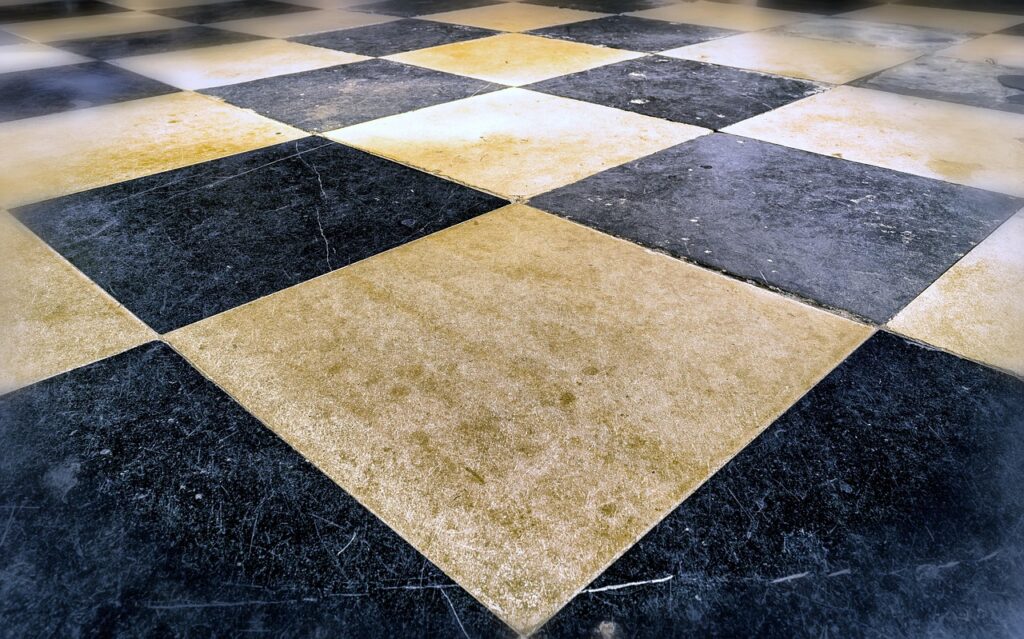
Home Depot dominates the US tile market by volume, stocking roughly 800 SKUs across porcelain, ceramic, and natural stone at every major store and another 2,000-plus available via direct ship. Tile flooring Home Depot sells covers the full price spectrum from $0.99 per square foot bargain ceramic to $7 per square foot designer porcelain plank, with brand names including Daltile, MSI, Marazzi, Florida Tile, and store-exclusive lines like Home Decorators Collection. The selection depth makes Home Depot a legitimate first stop, but knowing how to navigate the inventory separates good buys from regret. Here is the practical breakdown.
Part of our Tile & Grout guide — explore the full guide →
What Home Depot Actually Stocks
Home Depot organizes tile by material, format, and price tier, with most stores keeping the following inventory mix.
- Glazed ceramic: $0.99 to $3.50 per square foot, suitable for walls and low-traffic floors.
- Porcelain tile: $1.49 to $7.00 per square foot, with stone-look and wood-look options dominating.
- Natural stone: $3.50 to $9 per square foot for travertine, slate, marble, and limestone.
- Glass and metal mosaic: $9 to $25 per square foot, primarily for backsplashes and accent walls.
- Pre-made shower kits: $400 to $1,200 for matching base, walls, and trim.
The biggest selection sits in the 12 by 24 inch and 24 by 24 inch porcelain formats, which have become the default for kitchen and bath remodels nationwide.
Brand-by-Brand Inventory
Home Depot carries the major US tile distributors but maintains exclusive lines that compete with independent dealer stock.
Daltile occupies the largest shelf space with lines like Restore, RevoTile, and Marble Attache. Restore is the budget ceramic line at $0.99 to $2.50 per square foot, while RevoTile offers click-lock porcelain installation that eliminates thinset for DIY projects. MSI Surfaces appears under both the MSI brand and the Home Decorators Collection label, with strong wood-look porcelain plank in the Andover and Glee series. Marazzi sells through Home Depot exclusively in many markets, including the popular Montagna wood-look porcelain at $2.50 to $3.50 per square foot.
Home Decorators Collection tiles are private-label products manufactured by various overseas suppliers, generally offering the lowest per-square-foot pricing in any category.
Porcelain Versus Ceramic at Home Depot
The price difference between ceramic and porcelain runs $0.50 to $1.50 per square foot in favor of ceramic, but the performance gap justifies the upgrade for floor applications. Porcelain absorbs less than 0.5 percent water by weight per ASTM C373, while glazed ceramic absorbs 3 to 7 percent. This matters for any installation exposed to moisture: bathrooms, mudrooms, laundry rooms, and entries.
Porcelain also handles heavy traffic better. The PEI (Porcelain Enamel Institute) rating system runs 1 through 5, with 3 or higher recommended for residential floors and 4 to 5 for kitchens and entries. Most Home Depot porcelain meets PEI 4, while bargain ceramic often rates PEI 2 or 3.
Installation Cost Reality
Tile installation labor often costs more than the tile itself. Home Depot offers an in-house installation service through subcontractor crews, plus referrals to independent installers through the Pro Referral platform.
- Standard porcelain install: $5.50 to $9.50 per square foot labor only.
- Large-format tile (24-inch and larger): $7 to $12 per square foot due to handling difficulty.
- Pattern installs (herringbone, diagonal): add $2 to $4 per square foot.
- Schluter Ditra membrane: $1.75 to $2.50 per square foot for installation plus material.
- Cement backer board over wood subfloor: $1.25 to $2.00 per square foot.
Total turnkey pricing for 200 square feet of porcelain tile installed in a kitchen lands between $2,800 and $4,500 depending on substrate complexity and tile pattern.
The DCOF Slip Rating Nobody Reads
Floor tile must meet a DCOF (Dynamic Coefficient of Friction) rating of 0.42 or higher per ANSI A137.1 to be considered slip-resistant when wet. Home Depot porcelain spec sheets list the DCOF value, but the information is often buried below the SKU number on the product page. Glossy polished tiles routinely fail this threshold and should be reserved for kitchens or entries where wet conditions are rare. Matte and textured porcelain in the $2 to $5 per square foot range generally pass the slip test.
For showers and bath floors, look specifically for textured small-format mosaic tiles or sheet products rated DCOF 0.6 or higher.
The Hidden Costs Beyond Tile and Labor
Tile installations carry several material costs that catch first-time buyers off guard. Polymer-modified thinset mortar costs $25 to $45 per 50-pound bag and covers roughly 90 square feet at standard 1/4-inch notched trowel. Grout costs $20 to $35 per bag for cement-based or $40 to $70 per unit for urethane and epoxy grouts. Schluter Ditra uncoupling membrane runs $1.50 per square foot in materials, mandatory over wood subfloors.
Edge trim and Schluter profiles add $5 to $12 per linear foot, sealers run $25 to $40 per quart, and tile spacers and tools add another $40 to $80. Budget 12 to 18 percent of total project cost for these consumables.
When to Buy at Home Depot Versus Specialty Dealers
Home Depot wins for value-tier porcelain, common stocked items needed quickly, and DIY shoppers who want returns flexibility. The 90-day return policy on unopened boxes eliminates the overage risk on tile projects, since you can always return the extra cases. Floor & Decor competes directly with Home Depot but stocks deeper porcelain and stone selection in larger formats.
Specialty tile showrooms beat Home Depot for designer-grade stone, custom patterns, and large-format slabs above 24 by 48 inches. For a primary kitchen or master bath where visual impact drives the project, walking a specialty showroom alongside Home Depot reveals options that simply do not appear in big-box inventory.
The right strategy is often hybrid: buy mainstream porcelain at Home Depot for the bulk of the job and source one or two designer accent tiles from a specialty showroom for backsplashes, niches, or feature walls. This blend captures big-box value pricing on quantity while preserving the visual impact of designer accents in the spots that matter most.
Frequently Asked Questions
Can you buy a single tile at Home Depot?
Often, yes. Many in-store floor and wall tiles are priced by the piece as well as by the case, and mosaics are sold by the sheet, which makes it easy to buy a sample or replace a few cracked tiles. Direct-ship and special-order tiles are usually sold by the full case only, so check the product listing before ordering.
What tile sizes does Home Depot carry?
Stocked sizes cover the common formats: 12 by 12, 12 by 24, 18 by 18 and 24 by 24 inch squares and rectangles, wood-look planks such as 6 by 24 and 8 by 48 inches, plus 2 by 2 and 4 by 4 inch tiles, hexagon and penny mosaics on mesh sheets. Larger slabs and unusual sizes are typically special order.
Is Home Depot tile good quality?
Mainstream porcelain from established brands is solid quality, typically PEI 4 with low water absorption, and performs as well as the same lines sold elsewhere. The weaker spots are the cheapest glazed ceramics, which may rate only PEI 2 or 3 and suit walls better than floors. Check the PEI rating, DCOF value and box lot numbers before buying.
Does Home Depot sell peel-and-stick and vinyl floor tiles?
Yes. Luxury vinyl tile, vinyl composition tile and peel-and-stick squares sit in the flooring department alongside ceramic and porcelain. Vinyl is cheaper, warmer underfoot and easy to install without thinset or grout, but it scratches and dents more easily and does not last as long as porcelain. Peel-and-stick suits rentals and quick updates more than high-traffic kitchens.
Prefer to explore on your own?
See how new flooring looks in your actual room in seconds — free, no signup.
Try the free Floor Studio →