The railing is the part of a deck you touch every day and see from across the yard, so it earns as much attention as the boards underfoot. TimberTech deck railing systems deliver the low-maintenance, no-rot performance that made the brand’s decking popular, in coordinated colors and several distinct looks from classic composite to sleek cable and glass. The systems are engineered to meet the 200-pound code load at the top rail, and most are designed for a straightforward bolt-together install. This guide covers the railing lines, infill choices, costs, and what installation involves.
Part of our Decks & Outdoor guide — explore the full guide →
The TimberTech Railing Lineup
TimberTech organizes railing into a few families. The Classic Composite Series offers the traditional capped-composite look that matches the decking, in colors that coordinate with the AZEK and PRO board lines. The Premier and Impression Rail Express lines lean cleaner and more modern with aluminum components.
For contemporary builds, the aluminum systems support cable and glass infill, opening up sightlines. Picking the family first narrows every later decision, because infill and post options are tied to the series you choose.
Infill Options and the Views They Give
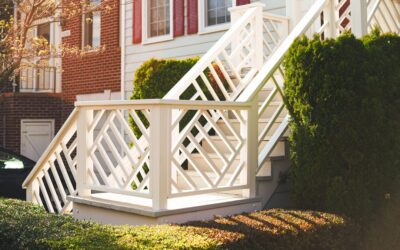
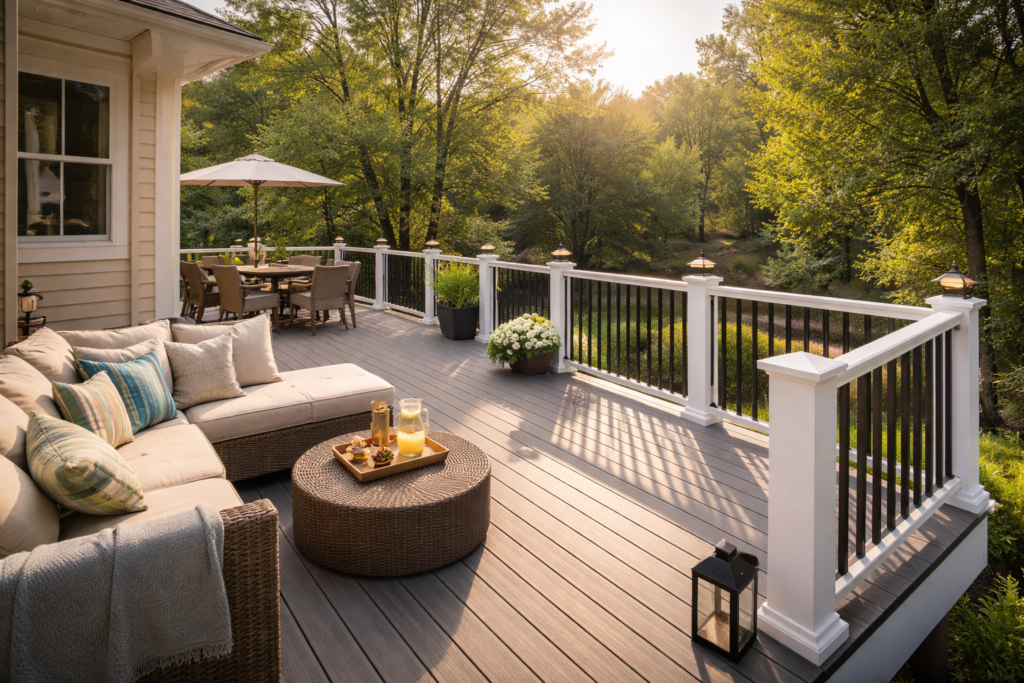
- Composite or aluminum balusters: the traditional look, warm and substantial, hides less of the view than you would think
- Cable rail: horizontal stainless cables for a nearly frameless view, ideal for water or hillside vistas
- Glass panels: tempered glass for full wind protection and unobstructed views, best where you want to block breeze
- Mixed: balusters on street sides, cable or glass on the view side to balance cost and sightlines
Cable and glass cost more and change the mood dramatically. On a lakeside deck, cable infill can pay for itself in the view alone, while a front porch may look best with classic balusters.
Post and Height Basics
Railing height is code-driven. Residential decks more than 30 inches above grade generally require a 36-inch railing, while many jurisdictions call for 42 inches on elevated or commercial work. Confirm your local requirement before ordering, because the whole system is cut to that height.
Posts anchor the system and must tie into the deck framing, not just the decking surface. TimberTech offers structural post options and sleeve-and-skirt kits that dress a mounted metal or wood structural post to match the railing color.
Meeting Code and Baluster Spacing
The classic 4-inch sphere rule applies: no gap in the railing may allow a 4-inch ball to pass, which protects small children. TimberTech baluster kits are engineered to hold that spacing when installed per the instructions, so following the layout is what keeps you compliant.
The top rail must also resist a 200-pound concentrated load in any direction. That requirement is why post attachment to the framing matters so much; a post lagged only to the deck boards will not pass inspection or hold under real force.
Installation Overview
- Lay out and set structural posts, bolting them through the rim joist or blocking with the specified hardware
- Slide the composite post sleeves over the structural posts and set the skirt and cap
- Measure and cut the top and bottom rails to fit between posts
- Attach rail brackets, then install the infill, whether balusters, cable, or glass
- For cable, tension each run evenly so no cable deflects more than the 4-inch rule allows
- Cap the posts and confirm the whole section is solid and plumb
Cable rail deserves patience. Even tension across all cables is what keeps the look crisp and the spacing legal, so tension in small increments across the whole run rather than fully tightening one cable at a time.
Cost Per Foot
- Classic composite baluster railing: $30 to $60 per linear foot installed
- Aluminum baluster railing: $40 to $70 per linear foot installed
- Cable rail system: $60 to $120 per linear foot installed
- Glass panel railing: $80 to $150 per linear foot installed
Materials alone run roughly half of those figures, with labor making up the rest. Cable and glass carry a steep premium mostly in hardware and the precision the install demands. For a typical 40-foot deck perimeter, composite railing lands in the $1,500 to $2,500 range installed.
How It Compares to Wood
Wood railing costs less up front but demands sanding, sealing, or painting every couple of years, and it splinters, checks, and loosens over time. TimberTech railing costs more initially and essentially eliminates that upkeep, which is the entire value proposition of the brand.
Over a 15 to 20-year span, the maintenance savings and the consistent appearance close much of the price gap. If you are already installing TimberTech decking, matching the railing gives a unified, finished look that mixed materials rarely achieve.
Maintenance and Warranty
Care is nearly nothing. Wash the railing once or twice a year with soap and water to remove pollen and grime, and rinse cable rail to keep the stainless from spotting in coastal air. Avoid abrasive pads that can dull the capped surface.
TimberTech backs its railing with limited warranties that typically run 25 years or more on the composite components, aligning with the decking coverage. Register the product after install and keep your receipts, since warranty claims ask for proof of purchase and installation date.
Matching Railing to Your Decking
One quiet advantage of staying within the TimberTech family is color coordination. The railing lines are tinted to complement the AZEK and PRO decking colors, so a gray deck can wear a gray or crisp white rail without the guesswork of mixing brands. Grab physical samples of both the deck board and the railing components and set them together in daylight before ordering, since screen colors mislead. If you want a two-tone look, pairing a white railing with a warm-toned deck is a reliably attractive combination that brightens the whole structure and makes the deck feel larger.