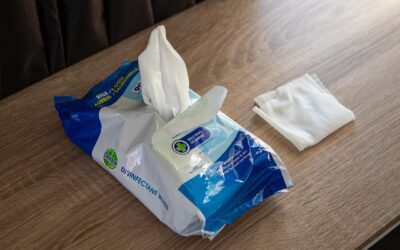
Most homeowners ruin more surfaces with the wrong cleaner than they ever do with normal wear. Knowing what to clean with — and what to keep miles away from a finish — saves thousands in refinishing, regrouting, and replacement. The trick is matching the cleaner to the material, not the other way around. This guide walks through the surfaces in a typical house, room by room, with the products and techniques that actually work.
Start With the Right Cleaner for the Material
A bottle of vinegar costs $3 and will eat through marble, natural stone, and waxed hardwood. A pH-neutral cleaner like Bona Pro Series or Bruce No-Wax Cleaner runs about $12 a gallon and will not. Read the label on the floor or counter you are about to mop. If the manufacturer recommends a specific product, use it for the first year at minimum — that is what their warranty assumes.
Stock four cleaners and you can handle 90% of household jobs: a pH-neutral floor cleaner, an enzyme-based bathroom cleaner like Better Life Tub & Tile, dish soap (Dawn Ultra works for everything from greasy stovetops to silk shirts), and isopropyl alcohol at 70% for electronics and stainless steel.
Hardwood Floors
Vacuum first with a soft brush attachment, then damp-mop with a microfiber pad and a few sprays of Bona Hardwood Floor Cleaner. Never pour water directly on the boards — moisture under a polyurethane finish causes cupping that no buffing will fix. Once a year, deep clean with Bona PowerPlus or Rejuvenate Professional, then let the finish cure for 24 hours before walking on it in shoes.
For waxed or oiled floors (common in older homes and European-style installations), skip water entirely and use a paste wax like Minwax Paste Finishing Wax once or twice a year.
Tile and Grout
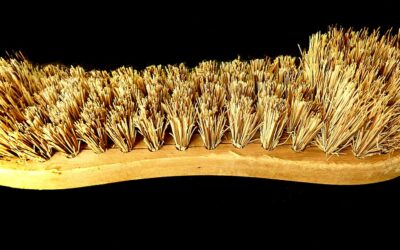
Sealed ceramic and porcelain shrug off most cleaners. The real battle is grout. Mix three tablespoons of oxygen bleach (OxiClean, Clorox 2) into two cups of warm water, brush it into the grout lines with a stiff nylon brush, wait ten minutes, then rinse. For black mold in shower grout, a 50/50 bleach-and-water mix works — but ventilate the room and rinse thoroughly.
Reseal grout every two years with a penetrating sealer like Aqua Mix Sealer’s Choice Gold (about $35 a quart, covers 750 sq ft).
Natural Stone Counters
Granite, marble, travertine, and quartzite are all calcium- or silica-based. Acidic cleaners — vinegar, lemon, most bathroom sprays — will etch the surface, leaving dull spots that require professional polishing. Use a stone-specific cleaner like Granite Gold Daily Cleaner or simply warm water with a drop of dish soap. Reseal granite every 12 to 18 months; marble needs sealing every 6 months in heavy-use kitchens.
Stainless Steel Appliances
Wipe with the grain using a microfiber cloth dampened with warm water, then dry immediately. For fingerprints and smudges, a few drops of mineral oil or Weiman Stainless Steel Wipes restore the sheen without leaving streaks. Avoid abrasive pads and any cleaner with chlorine — stainless rusts when chloride pits the protective chromium layer.
Upholstery and Carpet
Blot stains immediately with a clean white cloth — never rub, which drives the stain deeper into the fibers. Check the manufacturer’s tag for the cleaning code: W means water-based cleaners are safe, S requires solvent-based products, WS allows either, and X means professional cleaning only. For everyday spots, a 50/50 mix of white vinegar and water handles most water-soluble messes on W-coded fabrics.
Deep-clean carpets every 12 to 18 months with a rented Rug Doctor (about $40 a day) or hire a hot-water extraction service for $200 to $400 per visit.
Bathrooms Without Killing Yourself With Fumes
Skip bleach for daily cleaning — it eats grout and corrodes chrome over time. An enzyme cleaner breaks down soap scum, body oils, and hard water minerals biologically and works overnight. Spray the entire shower before bed, walk away, then rinse in the morning. Once a week, hit the toilet bowl with a pumice stone for hard water rings — chemical cleaners cannot touch calcified deposits.
Glass, Mirrors, and Electronics
Newspaper and a 50/50 mix of distilled water and isopropyl alcohol leaves no streaks on windows or mirrors. For TV screens, monitors, and laptop displays, use a dry microfiber first, then a slightly damp one with distilled water only — Windex and ammonia destroy anti-glare coatings.
Build a Routine That Actually Sticks
Daily: wipe counters and stovetop, do a 60-second sweep of high-traffic floors. Weekly: mop hard floors, scrub the tub, vacuum carpets and upholstery. Monthly: degrease range hood filters in the dishwasher, wipe down baseboards, polish stainless. Quarterly: deep-clean grout, reseal counters as needed, shampoo carpets in busy rooms. The trick to knowing what to clean and when is treating it like an oil change — small, regular maintenance prevents the expensive overhaul.