The average person uses the toilet roughly 2,500 times a year, yet most homeowners spend less than ten minutes choosing one. With the range of toilet options available today, from sleek wall-hung models to high-efficiency dual-flush units and feature-packed smart toilets, the choice affects your comfort, your water bill, and how easy the bathroom is to clean for the next decade or more. Picking well is not just about looks; it is about flush performance, fit, and the small ergonomic details you notice every single day. This guide breaks down the styles, configurations, and features so you can choose with confidence.
Part of our Bathroom Remodeling & Flooring guide — explore the full guide →
- One-Piece vs. Two-Piece Toilets
- Wall-Hung and Concealed-Tank Models
- Flush Systems Compared
- Water Efficiency and Savings
- Bowl Shape and Height
- Smart Toilets and Bidet Features
- Rough-In and Fit Considerations
- Materials, Glazing, and Easy Cleaning
- Installation and Long-Term Maintenance
- Making Your Choice
One-Piece vs. Two-Piece Toilets
The most basic decision is the overall construction, and each style has clear trade-offs.
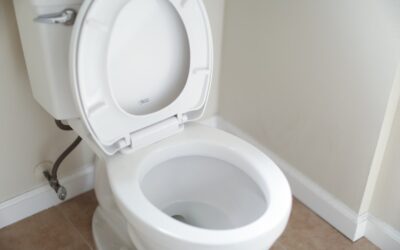
- Two-piece toilets: A separate tank that bolts onto the bowl. The most common and affordable type, easier to carry and install, with widely available parts. The seam between tank and bowl can collect grime.
- One-piece toilets: Tank and bowl molded as a single unit. Sleeker, easier to wipe down with no seam to scrub, and often more compact, though heavier and usually pricier.
For easy cleaning and a modern look, a one-piece is worth the premium. For budget-friendly replacement and simple repairs, a two-piece remains the practical default.
Wall-Hung and Concealed-Tank Models
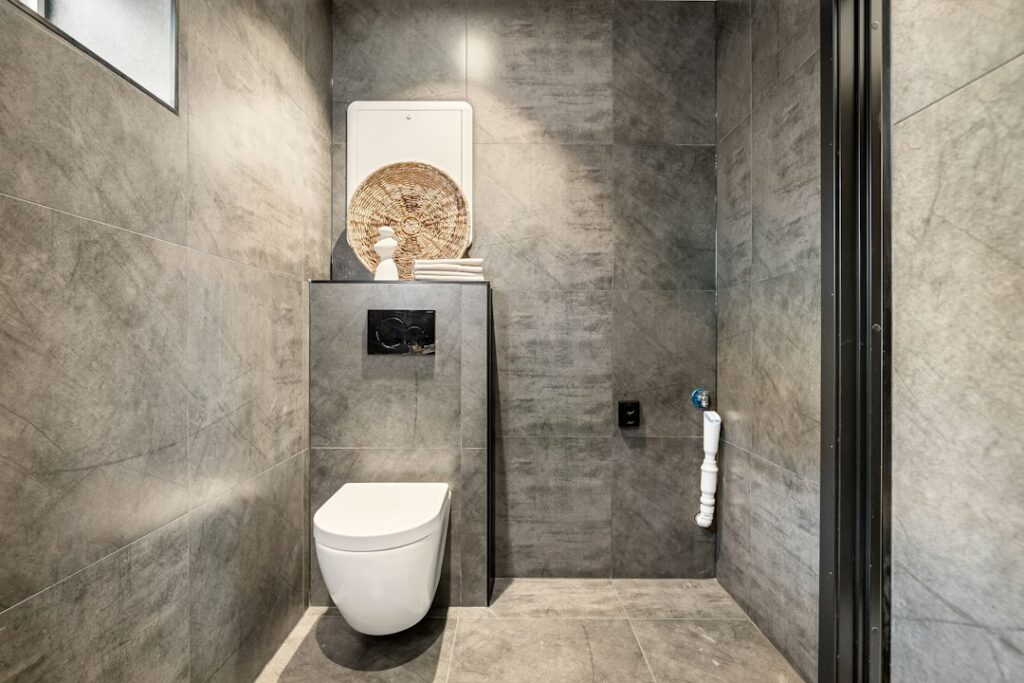
If you want a high-end, space-saving look, wall-hung toilets mount the bowl to the wall with the tank hidden inside the wall framing. The result is a floating bowl, a clear floor underneath for effortless mopping, and a clean contemporary aesthetic. The trade-off is a more involved installation, since the wall must house a sturdy mounting carrier and the concealed tank, making these best suited to new builds or full remodels. They also let you set the bowl height precisely during installation, which is a comfort bonus.
Flush Systems Compared
Flush performance is where a toilet earns its keep, and the mechanism matters as much as the brand.
- Gravity-fed: The most common system, using the weight of falling water for a quiet, reliable flush with few parts to fail.
- Pressure-assisted: Uses pressurized air to force a powerful flush that resists clogs, ideal for busy households, though noticeably louder.
- Dual-flush: Offers a light flush for liquid waste and a full flush for solids, saving significant water over time.
- Tornado or vortex flush: Higher-end designs that swirl water around the bowl for better cleaning with less water.
For most homes, a quality gravity-fed or dual-flush model balances performance, noise, and efficiency well.
Water Efficiency and Savings
Older toilets can use 3.5 gallons or more per flush, while modern high-efficiency models use 1.28 gallons or less. The federal standard caps flushes at 1.6 gallons, and WaterSense-labeled toilets go further at 1.28 gallons while still flushing effectively. Switching from an old water-guzzler to a high-efficiency toilet can save thousands of gallons a year, which adds up on the water bill and matters even more in drought-prone areas. Dual-flush models stretch those savings further. When comparing toilet options, the gallons-per-flush figure is one of the most consequential numbers on the spec sheet.
Bowl Shape and Height
Comfort comes down to two specs that buyers often overlook. Bowl shape is either round or elongated: round bowls save a few inches of depth and suit small bathrooms, while elongated bowls offer more seating comfort and are generally preferred where space allows. Height is the other key factor. Standard bowls sit around 15 inches from floor to seat, while comfort-height or chair-height models sit around 17 to 19 inches, which is easier for taller adults, older users, and anyone with mobility concerns. Measuring your space and considering who uses the bathroom most prevents a comfortable-looking toilet from becoming a daily annoyance.
Smart Toilets and Bidet Features
The fastest-growing category blends the toilet with bidet functions and electronic features. Smart toilets and bidet seats can add a heated seat, warm-water washing, air drying, automatic lids, night lighting, and self-cleaning nozzles. A full smart toilet integrates all of this, while a bidet seat or attachment adds many of the same features to a toilet you already own at a fraction of the cost. These options improve hygiene and comfort and reduce toilet paper use, though they require a nearby electrical outlet for the powered models. For a budget upgrade, a non-electric bidet attachment delivers the core washing function for very little money.
Rough-In and Fit Considerations
Before buying any toilet, measure the rough-in, the distance from the finished wall behind the toilet to the center of the floor bolts. The standard is 12 inches, but older homes may have 10-inch or 14-inch rough-ins, and a mismatch means the toilet will not fit. Also check the available width and the door swing, especially in small bathrooms, and confirm the bowl projection from the wall leaves comfortable clearance. Getting these measurements right is the difference between a smooth installation and a returned product.
Materials, Glazing, and Easy Cleaning
Nearly all residential toilets are made of vitreous china, a durable ceramic that resists stains and scratches when properly glazed. Where they differ is in the quality of the glaze and the design of the trapway. Some premium toilets add a special antimicrobial or stain-resistant glaze that keeps the bowl cleaner with less scrubbing, and a fully glazed trapway resists clogs and is easier to keep clear. A skirted or concealed trapway, where the outside of the bowl is smooth rather than contoured, eliminates the awkward crevices that collect dust and grime, making weekly cleaning far quicker. If low-maintenance is a priority, these details matter as much as the flush.
Installation and Long-Term Maintenance
Most standard floor-mounted toilets are a manageable DIY swap, requiring a new wax ring or rubber seal, closet bolts, and a couple of hours of work, while wall-hung and concealed-tank models are best left to a plumber given the in-wall carrier and rough-in plumbing involved. Whichever you choose, keep maintenance simple: avoid drop-in tank tablets that contain harsh chemicals, which can degrade flush valve seals over time, and replace worn flapper or fill valve parts promptly to stop running water and silent leaks. A well-installed, well-maintained toilet should serve reliably for many years, and quality flush components are inexpensive and easy to find when they eventually wear.
Making Your Choice
Choosing among today’s toilet options comes down to balancing cleaning ease, flush performance, water efficiency, comfort, and budget. For a simple, affordable replacement, a two-piece elongated comfort-height gravity-fed toilet covers most needs well. For a sleek remodel, consider a one-piece or wall-hung model. If hygiene and luxury matter, a bidet seat or smart toilet is a worthwhile upgrade. Always confirm the rough-in and dimensions before you buy, prioritize a WaterSense flush rating, and pick the bowl height that suits the people using it. Get these decisions right and your new toilet will quietly serve you well for many years.