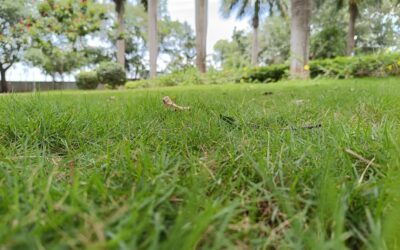
Scatter grass seed onto hard, compacted dirt and most of it will wash away, dry out, or feed the birds. The secret to a thick lawn is seed-to-soil contact, and that starts with breaking up the surface so seeds can settle in, stay moist, and root. Choosing the right tool to loosen soil for grass seed depends on whether you are patching a bare spot, overseeding an existing lawn, or starting from scratch. From a simple rake to a powered aerator or tiller, here is which tool to reach for and how to use it for the best germination.
- Why Loosening the Soil Matters
- Rake: The Go-To for Bare Patches
- Garden Fork: For Compacted Small Areas
- Core Aerator: Best for Overseeding a Lawn
- Dethatcher: When Thatch Blocks the Seed
- Tiller: For New Lawns and Full Renovations
- After You Loosen: Seeding Steps That Matter
- Choosing the Right Tool for Your Job
Why Loosening the Soil Matters
Grass seed needs three things to germinate: moisture, warmth, and direct contact with soil. On compacted ground, seeds sit on top, exposed and unable to root, so germination rates plummet. Loosening even the top quarter to half inch of soil creates tiny pockets where seeds can lodge, hold moisture, and make contact with the earth they need.
The goal is not to plow the yard into a field of clods. For most seeding jobs, you simply want to scratch up, aerate, or break the crust of the soil surface enough to nestle the seed. Over-tilling an established lawn can destroy the good grass you want to keep, so match the aggressiveness of the tool to the job.
Rake: The Go-To for Bare Patches
For small bare spots and light jobs, a sturdy rake is all you need. A metal garden rake (the rigid bow or level-head type, not a leaf rake) lets you scratch and loosen the top layer of soil quickly. Drag the tines back and forth to break up the crust, remove debris, and create a roughened seedbed.
The rake does double duty: use it to loosen the soil before seeding, then flip it over and use the back to lightly cover the seed with a thin layer of soil afterward. For repairing dog spots, foot-traffic wear, or a few thin areas, a rake is the simplest, cheapest, and often the only tool you need. It is also the best finishing tool no matter what else you use to prep.
Garden Fork: For Compacted Small Areas
When soil is genuinely hard-packed in a small area, a garden fork (or spading fork) helps you loosen it without inverting the whole bed. Push the tines several inches into the ground and rock it back and forth to fracture compacted soil and improve drainage, then rake the surface smooth.
A fork is ideal for tight or hard spots a rake cannot conquer, like a small area trampled into hardpan. It lets air and water penetrate and gives roots an easier path down. Follow up with a rake to create a fine, even seedbed before spreading seed. For larger compacted areas, though, hand-forking becomes tedious, and an aerator or tiller is more practical.
Core Aerator: Best for Overseeding a Lawn
If you are overseeding an existing lawn, a core aerator is the standout tool. It pulls small plugs of soil out of the ground, relieving compaction and opening up channels without tearing up your turf. Seed dropped after aerating falls into those holes, getting excellent soil contact while your existing grass stays intact.
Aeration is the preferred prep for overseeding because it improves the soil without destroying the lawn. You can rent a powered core aerator for the day, or use a smaller manual or spike version for tiny areas (though core aerators that remove plugs work far better than spike types that just poke holes). Aerate, spread seed and a thin compost or topdressing, then water. This combo is the proven path to thickening a thin lawn.
Dethatcher: When Thatch Blocks the Seed
Sometimes the problem is not the soil but a thick layer of dead grass and debris, called thatch, sitting on top of it. When thatch is more than about half an inch thick, seed cannot reach the soil at all. A dethatcher (also called a power rake) or a manual thatching rake tears up and removes that layer.
Dethatching before overseeding clears the way so seed can fall to bare soil and germinate. It also stimulates the existing lawn. For light thatch, a stiff thatching rake works by hand; for larger lawns with heavy buildup, a rented power dethatcher saves a lot of labor. After dethatching, rake up the debris, then seed and water. Pair dethatching with aeration on a neglected lawn for the best reset.
Tiller: For New Lawns and Full Renovations
When you are starting a lawn from scratch or completely renovating a large bare area, a rototiller is the heavy-duty choice. It churns and breaks up the top several inches of soil, perfect for incorporating compost, leveling, and creating a fresh seedbed over a big space where there is no grass to protect.
Use a tiller only when you intend to redo the whole area, since it destroys any existing grass and can disturb dormant weed seeds. Till to a few inches deep, rake out rocks and clods, level the surface, then firm it lightly before seeding so the seedbed is smooth and not too fluffy. For establishing a new lawn, a tiller plus a rake gives the ideal foundation.
After You Loosen: Seeding Steps That Matter
Loosening the soil is half the battle; what you do next determines whether the seed actually takes. Once the surface is prepped, spread seed at the rate on the bag, then lightly rake or drag it so it settles into the loosened layer rather than sitting on top. A thin covering of soil, compost, or topdressing, about a quarter inch, shields the seed from birds and helps hold moisture.
Two follow-up steps make a big difference:
- Firm the seedbed gently. Lightly pressing the seed into the soil, by walking over it or rolling, improves contact without compacting the ground all over again.
- Keep it consistently moist. Water lightly once or twice a day so the top inch never dries out until the grass is established. A dry day at the wrong time can kill sprouting seed.
Skipping these steps wastes the effort you put into loosening the soil in the first place.
Choosing the Right Tool for Your Job
Match the tool to the scale of the work:
- Small bare patches: A metal rake, plus a garden fork if the spot is hard-packed.
- Overseeding an existing lawn: A core aerator, and a dethatcher first if thatch is heavy.
- Thatch-choked lawn: A dethatcher or thatching rake before seeding.
- New lawn or full renovation: A rototiller followed by a rake.
Whatever tool you choose, the principle is the same: loosen the surface enough for seeds to make solid contact with soil, then cover lightly and keep consistently moist until germination. Get that seed-to-soil contact right, and you will see far thicker, more even grass than you ever would from seed scattered on untouched ground.