Travertine floors have graced homes and buildings for thousands of years — from the ancient Roman Colosseum to modern luxury residences. This natural limestone offers a warmth and character that few other flooring materials can match. Its earthy tones, organic texture, and timeless appeal make it a favorite among homeowners who want their floors to feel authentic and elegant.
But travertine is a natural stone with specific care requirements. Without proper maintenance, it can stain, etch, and lose its beauty. In this guide, we cover everything about travertine floors — how to care for them, how to clean them properly, sealing best practices, and an honest look at the pros and cons to help you decide if travertine is right for your home.
- What Is Travertine?
- Types of Travertine Floor Finishes
- How to Care for Travertine Floors
- Sealing Travertine Floors
- Repairing Travertine Floor Damage
- Pros and Cons of Travertine Floors
- Travertine Floors vs. Other Natural Stones
- Best Rooms for Travertine Floors
- Frequently Asked Questions
- Final Thoughts
What Is Travertine?
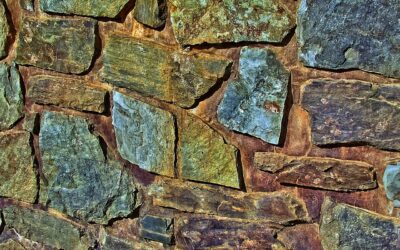
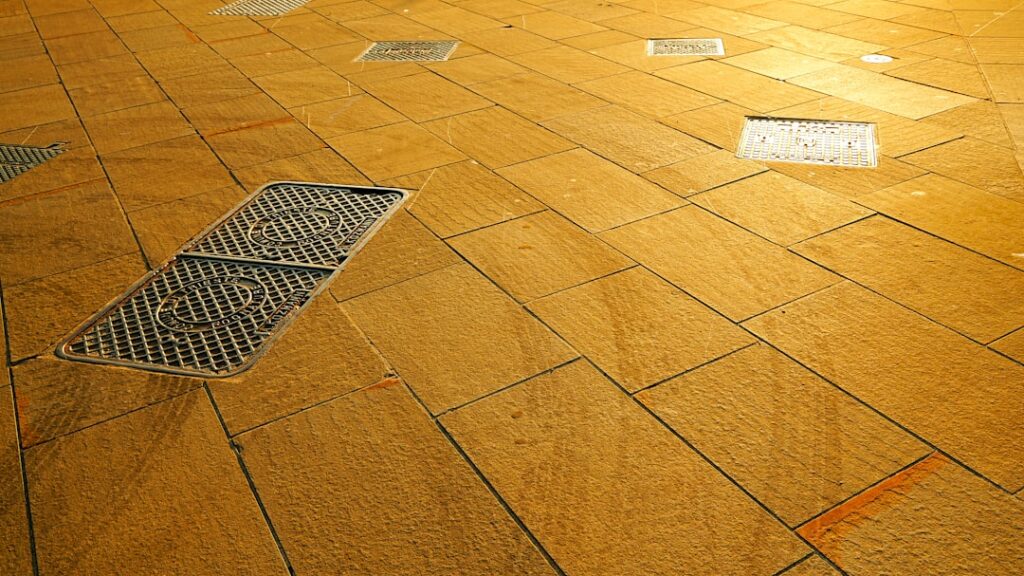
Travertine is a form of limestone deposited by mineral springs, particularly hot springs. It forms when calcium carbonate precipitates out of groundwater, creating layers of stone with distinctive porous textures and warm color variations. The natural pitting and vein patterns that make travertine so visually interesting are the result of gas bubbles trapped during formation and minerals deposited over millennia.
Most travertine used in flooring today comes from quarries in Turkey, Italy, Mexico, Peru, and Iran. Each region produces stone with distinct color characteristics — Italian travertine tends toward creamy whites and warm ivories, while Turkish and Mexican varieties often feature richer golds, walnut tones, and rustic reds.
Types of Travertine Floor Finishes
The finish applied to travertine tiles dramatically affects their appearance, texture, and maintenance requirements. Understanding your options helps you choose the right look for your space.
Polished Travertine
Polished travertine has a glossy, reflective surface that highlights the stone’s veining and color depth. It looks elegant and formal, making it ideal for entryways, formal living rooms, and master bathrooms. However, polished travertine is more slippery when wet and shows scratches more readily than textured finishes.
Honed Travertine
Honed travertine has a smooth but matte finish. It is the most popular choice for residential flooring because it balances beauty with practicality. The matte surface hides minor scratches and provides better slip resistance than polished stone. Honed travertine works well in virtually any room.
Tumbled Travertine
Tumbled travertine tiles have softened edges and a weathered, antique appearance created by tumbling the tiles in a drum with sand and pebbles. This finish is perfect for rustic, Mediterranean, and Old World design styles. The textured surface provides excellent traction, making tumbled travertine a good choice for bathrooms, pool areas, and outdoor patios.
Brushed Travertine
Brushed travertine is treated with a wire brush to create a slightly textured surface that falls between honed and tumbled in terms of roughness. It has a natural, understated look that works well in casual living spaces and transitional-style homes.
Filled vs. Unfilled
Travertine’s natural pitting can be left open (unfilled) for a more rustic, organic look or filled with color-matched resin or cement for a smoother surface. Filled travertine is easier to clean and maintain, while unfilled travertine has more textural character but traps dirt in the pits and requires more effort to keep clean.
How to Care for Travertine Floors
Travertine is a beautiful but demanding flooring material. Its calcium carbonate composition makes it vulnerable to acids, scratches, and staining. Proper care preserves its beauty and prevents costly damage.
Daily Maintenance
Sweep or dust mop travertine floors daily to remove grit and debris that can scratch the surface. Use a soft-bristle broom or a microfiber dust mop — avoid stiff-bristle brooms that can scuff the finish. In high-traffic areas, a quick sweep once or twice a day prevents abrasive particles from grinding into the stone.
Weekly Cleaning
Mop travertine floors weekly with a pH-neutral stone cleaner diluted in warm water. Never use vinegar, lemon juice, ammonia, bleach, or any acidic or alkaline cleaner on travertine. These products dissolve calcium carbonate, creating dull etch marks that are difficult and expensive to repair.
Use a soft microfiber mop and avoid excess water. While travertine is more water-resistant than some stones, prolonged moisture exposure can penetrate the pores and cause discoloration or mineral deposits. Wring your mop thoroughly and dry the floor after mopping if possible.
Spill Response
Blot spills immediately — do not wipe, which spreads the liquid across a larger area. Acidic substances like wine, coffee, citrus juice, and tomato sauce are particularly dangerous to travertine because they etch the surface on contact. Even water left standing for extended periods can leave mineral stains.
After blotting, clean the area with a damp cloth and pH-neutral cleaner. For stubborn stains, use a poultice specifically designed for natural stone (available at tile and stone supply stores).
Sealing Travertine Floors
Sealing is the single most important maintenance step for travertine floors. A quality penetrating sealer fills the stone’s pores, preventing liquids and stains from absorbing into the material while still allowing moisture vapor to escape.
When to Seal
Seal travertine floors immediately after installation, before grouting if possible (to protect the stone from grout staining). After the initial seal, reapply every one to two years depending on traffic levels and the sealer product used. High-traffic areas like kitchens and entryways may need annual resealing, while bedrooms can go two to three years between applications.
Choosing a Sealer
Use a penetrating (impregnating) sealer rather than a topical sealer. Penetrating sealers absorb into the stone and protect from within, maintaining the natural appearance and texture. Topical sealers create a surface coating that can peel, wear unevenly, and alter the stone’s appearance.
For travertine in food-preparation areas or bathrooms, choose a sealer rated for both water and oil stain protection. In dry areas like living rooms, a water-only sealer may suffice.
How to Apply Sealer
Clean the floor thoroughly and allow it to dry completely (24 hours minimum) before sealing. Apply the sealer with a clean microfiber applicator pad or lamb’s wool applicator, working in manageable sections. Allow the sealer to penetrate for the manufacturer-recommended time (typically 5 to 15 minutes), then wipe away any excess with a clean dry cloth. Apply a second coat following the same process.
Allow the sealer to cure for 24 to 72 hours before exposing the floor to water or heavy traffic. Proper curing is essential for maximum protection.
Repairing Travertine Floor Damage
Despite your best efforts, travertine may sustain damage over time. Here is how to address common issues.
Etch Marks
Light etch marks on honed travertine can often be buffed out with a marble polishing powder and a soft cloth. Deeper etching may require professional honing — a process where the stone surface is re-ground to remove the damaged layer. Polished travertine is more difficult to repair because achieving a uniform gloss requires specialized equipment.
Stains
For organic stains (coffee, wine, food), apply a poultice made from baking soda and water (or hydrogen peroxide for stubborn stains). Spread the paste over the stain, cover with plastic wrap, and let it sit for 24 to 48 hours. The poultice draws the stain out of the stone as it dries. Remove and clean the area. Repeat if necessary.
For oil-based stains, use a poultice made with baking soda and acetone. For rust stains, use a commercial rust remover formulated for natural stone — never use standard rust removers, which are too acidic for travertine.
Cracks and Chips
Small chips and cracks can be filled with color-matched epoxy or travertine filler available at stone supply stores. For large cracks or broken tiles, replacement is the best option. This is one reason to keep spare tiles from your original installation — matching replacement travertine to existing stone can be challenging due to natural color variation.
Pros and Cons of Travertine Floors
Advantages
Timeless beauty: Travertine’s natural patterns and warm tones never go out of style. Unlike trend-driven materials, travertine looks as appropriate in a 2026 renovation as it did in a 1990s build.
Unique character: Every tile is one of a kind. The natural variation in color, veining, and texture means your floor is truly unique — no manufactured product can replicate this authenticity.
Durability: Properly maintained travertine lasts a lifetime and beyond. It is a hard stone that handles foot traffic well, though it is softer than granite or porcelain.
Added home value: Natural stone flooring consistently increases home resale value. Travertine, as a recognized premium material, appeals to discerning buyers.
Versatility: Travertine works indoors and outdoors, on floors and walls, in contemporary and traditional settings. Few materials are this adaptable.
Disadvantages
Acid sensitivity: Travertine etches when exposed to acidic substances, requiring constant vigilance in kitchens and dining areas.
Porosity: Even sealed travertine is more porous than porcelain or granite. Spills must be addressed promptly to prevent staining.
Maintenance requirements: Regular sealing, pH-neutral cleaners, and careful spill management make travertine more maintenance-intensive than tile flooring options like porcelain.
Cost: Travertine tiles cost $5 to $30 per square foot, with installation adding $8 to $15 per square foot. This places it well above laminate flooring or vinyl flooring in total project cost.
Cold underfoot: Like all stone, travertine is cold to walk on in cooler climates. Radiant floor heating solves this but adds to the installation cost.
Travertine Floors vs. Other Natural Stones
How does travertine compare to other popular natural stone flooring options?
Travertine vs. marble: Marble is harder and takes a higher polish, but it is equally sensitive to acids and generally more expensive. Travertine has a warmer, more rustic personality compared to marble’s cooler elegance.
Travertine vs. slate: Slate is denser, less porous, and more stain-resistant than travertine. However, slate’s darker colors and pronounced texture give it a distinctly different aesthetic. Travertine is better for bright, warm spaces; slate suits dramatic, moody interiors.
Travertine vs. limestone: Travertine is technically a form of limestone, so they share many properties. Standard limestone tends to have a more uniform appearance with less dramatic pitting and veining. Travertine’s distinctive texture sets it apart visually.
Travertine vs. porcelain tile: Porcelain is harder, denser, virtually non-porous, and far easier to maintain. However, it lacks the natural character and warmth of real travertine. Porcelain tiles that mimic travertine are available but do not fully replicate the authentic look and feel.
Best Rooms for Travertine Floors
Travertine works in many settings, but some rooms showcase it better than others. Bathrooms are perhaps the most popular application — the stone’s warm tones create a spa-like atmosphere, and tumbled or honed finishes provide adequate slip resistance. Entryways and foyers benefit from travertine’s grand, welcoming appearance. Living rooms and dining rooms look elegant with polished or honed travertine.
Kitchens are workable but require diligent sealing and immediate spill cleanup due to the frequency of acidic food and beverage exposure. Outdoor patios and pool decks work well with tumbled travertine, which stays cooler underfoot than darker stones and provides excellent traction when wet.
Frequently Asked Questions
Can you use vinegar to clean travertine floors?
Absolutely not. Vinegar is acidic and will etch travertine on contact, leaving permanent dull spots. Always use pH-neutral cleaners specifically formulated for natural stone.
How much does it cost to install travertine floors?
Material costs range from $5 to $30 per square foot depending on quality, origin, and finish. Professional installation adds $8 to $15 per square foot. For a 200-square-foot room, total costs typically range from $2,600 to $9,000.
Is travertine slippery when wet?
Polished travertine can be slippery when wet. Honed, tumbled, and brushed finishes provide significantly better traction. For bathrooms and wet areas, choose a textured finish and consider applying an anti-slip treatment for additional safety.
Does travertine crack easily?
Travertine is reasonably durable but can crack from heavy impacts or if installed over an uneven or insufficiently supported substrate. Proper installation with a quality thin-set mortar and a flat, stable subfloor minimizes cracking risk.
Can travertine floors be refinished?
Yes. Professional stone restoration companies can hone, polish, and reseal travertine floors to restore them to like-new condition. This process is less expensive than full replacement and can extend the life of your floors indefinitely.
Final Thoughts
Travertine floors offer a natural beauty and warmth that few materials can rival. They demand more care than porcelain or LVP flooring, but the reward is a floor with genuine character and timeless elegance. Seal it properly, clean it gently, address spills immediately, and your travertine floor will look stunning for generations. If you value authenticity and are willing to invest a little extra effort in maintenance, travertine is one of the most rewarding flooring choices you can make.
Prefer to explore on your own?
See how new flooring looks in your actual room in seconds — free, no signup.
Try the free Floor Studio →