After three decades of flooring and finish carpentry work, I have learned that trim colors have more impact on a room’s appearance than most people realize. The right trim color frames the room, highlights architectural details, and ties the flooring to the walls. The wrong color makes everything feel disconnected. This guide walks you through the most popular trim color options, current trends, how to choose by room style, and the paint sheen that gives trim the best look and longest life.
Popular Trim Colors
Certain trim colors have stood the test of time, and for good reason. Here are the options you will encounter most often:
White and Off-White
White trim is the default choice in American homes and has been for over a century. It works with virtually every wall color and flooring type. The key is choosing the right white—pure bright white can look harsh against warm-toned walls, while a creamy off-white might look dingy against cool gray walls. Popular whites include Benjamin Moore Simply White, Sherwin-Williams Extra White, and Farrow and Ball All White.
Black
Black trim has gained significant traction in the last five years. It creates dramatic contrast, emphasizes clean architectural lines, and gives rooms a modern, gallery-like quality. Black works best in rooms with generous natural light and lighter wall colors. In dark rooms, it can feel oppressive. Popular choices include Benjamin Moore Black and Sherwin-Williams Tricorn Black.
Natural Wood Tones
Stained wood trim showcases the natural grain and warmth of real wood. Oak, maple, and cherry each bring a distinct character. Natural wood trim suits traditional, Craftsman, and rustic interiors. It pairs especially well with hardwood flooring in a matching or complementary tone.
Matching the Wall Color
Painting trim the same color as the walls creates a monochromatic, enveloping effect. This technique makes small rooms feel larger and draws attention to furniture and decor rather than architectural boundaries. It works best with medium to dark wall colors and in the same sheen as the trim for a seamless finish.
Gray
Gray trim offers a softer alternative to black with less visual weight. Light gray trim (like Benjamin Moore Revere Pewter or Sherwin-Williams Agreeable Gray) blends beautifully with cool-toned walls and gray-washed flooring. It is a safe, sophisticated choice for modern and transitional homes.
Current Trim Color Trends
The trim color landscape has shifted noticeably in 2026:
- Warm whites are winning: After a decade of cool whites dominating, warm whites with subtle yellow or pink undertones are back. They complement the warm wood tones and earthy color palettes trending in interior design.
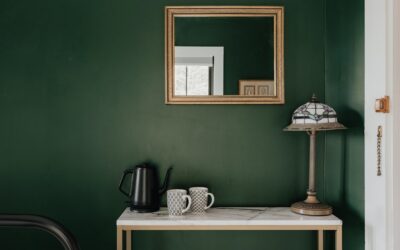
- Bold accent trim: Painting trim in a bold color—deep navy, forest green, or burgundy—is emerging as a statement choice in high-design homes. It requires confidence and careful coordination with wall and floor colors.
- Tone-on-tone: Using a slightly different shade of the wall color on the trim (a shade darker or lighter) creates subtle depth without contrast. This refined approach works in bedrooms and formal living spaces.
- Matte black hardware with black trim: Coordinating black trim with matte black door hardware, light fixtures, and cabinet pulls creates a cohesive modern aesthetic.
- Return of stained wood: The painted-everything trend is fading slightly as homeowners rediscover the beauty of natural wood. Stained oak and walnut trim is showing up in new construction and high-end renovations.
Choosing by Room Style
Different interior styles have natural trim color pairings:
- Modern/Contemporary: White, black, or wall-matching. Clean lines, minimal profiles, and strong contrast or deliberate blending.
- Traditional: White or off-white in colonial profiles. Warm whites work better than stark whites with traditional furnishings.
- Farmhouse: Bright white on wide, simple-profile trim. The crisp white-against-shiplap look defines this style.
- Craftsman: Stained wood in dark oak or walnut. Craftsman homes were designed around natural wood, and painting that trim erases the style’s essence.
- Mid-Century Modern: Minimal trim in white or matching the wall. Mid-century design minimizes trim presence to emphasize open space and furniture.
- Coastal: Bright white or soft blue-white. Light, airy trim colors reinforce the coastal atmosphere.
- Industrial: Dark gray or matte black. These colors echo the metal and concrete elements central to industrial design.
Contrast vs Blend: Which Approach Works
This is one of the most important decisions in choosing trim colors, and it depends on what you want the room to do:
High Contrast (e.g., White Trim, Dark Walls)
Contrasting trim draws the eye to architectural details—window frames, door casings, baseboards, and crown molding become prominent features. This approach works well in rooms with interesting architectural elements you want to showcase. It also defines boundaries clearly, making rooms feel structured and deliberate.
Low Contrast / Blending (e.g., Similar Shades on Walls and Trim)
Blending trim into the wall color minimizes visual boundaries. Rooms feel larger, calmer, and more cohesive. This works especially well in small spaces, hallways, and open-plan living areas where you do not want trim to chop up the sight lines. The trade-off is that architectural details become less noticeable.
The Middle Ground
You can also vary your approach room by room. Main living areas might use high-contrast white trim to feel open and defined, while bedrooms use tone-on-tone blending for a calm, cocoon-like feel. Consistency through connected sight lines (hallways, open floor plans) matters more than whole-house uniformity.
Paint Sheens for Trim
The sheen of your trim paint affects both appearance and durability:
- Semi-gloss: The traditional trim sheen. It reflects light, highlights the trim profile, cleans easily, and resists scuffs and fingerprints. This is what I recommend for most homes, especially with children or pets.
- Satin: A softer glow than semi-gloss. It hides surface imperfections better and feels more contemporary. Satin has become the preferred trim sheen in modern and minimalist homes. Slightly less durable than semi-gloss.
- High-gloss: Creates a lacquered, furniture-like finish. Extremely durable and cleanable but shows every imperfection in the wood, the wall, and the painter’s technique. Reserved for high-end projects with flawless preparation.
- Matte/Flat: Rarely used on trim because it scuffs easily and is harder to clean. The exception is when you want trim to disappear completely into a matte wall—use the same color and sheen for a seamless look.
Pro tip: always use a higher sheen on trim than on walls. Even a slight sheen difference creates visual separation between the two surfaces, which gives the room depth and definition.
Matching Trim to Flooring
Trim sits at the intersection of walls and floors, so it needs to relate to both. Here are the principles I follow:
- White trim is universal: It works with every flooring material and color. When in doubt, white trim is always a safe and attractive choice.
- Dark floors + white trim: This classic pairing creates strong contrast at floor level and makes both elements pop. Think dark walnut hardwood with bright white baseboards.
- Light floors + dark trim: A bold, modern look that defines the room’s boundaries. Light oak or white-washed floors with black or dark gray trim is currently very fashionable.
- Matching stained trim and hardwood: If both are stained, they do not need to be identical but should be in the same color family. A slight shade difference is fine; a dramatic mismatch looks accidental.
Stained vs Painted Trim
This is a personal preference, but here are the practical considerations:
- Painted trim hides imperfections, works with any wood species (even MDF), costs less, and is easier to update if you change your color scheme. Repainting trim costs a fraction of re-staining.
- Stained trim showcases natural wood beauty, adds warmth and texture, and never looks dated in the right setting. However, it requires quality wood (no MDF or finger-jointed material), careful stain matching, and more effort to refinish.
- Switching from stained to painted is straightforward—sand, prime, and paint. Switching from painted to stained requires stripping all paint completely, which is labor-intensive and expensive.
Tips from the Field
- Test before you commit: Paint a 2-foot section of trim with your chosen color and live with it for a few days. Colors shift dramatically between the paint chip and the installed result.
- Consider lighting: A trim color that looks perfect in a south-facing room with warm afternoon light may look completely different in a north-facing room with cool, indirect light. Test in the actual room.
- Coordinate with adjacent rooms: If two rooms share a doorway, the trim color should be the same on both sides of the casing. This means your trim color needs to work with both rooms’ wall colors.
- Do not forget the ceiling line: If you have crown molding, its color connects the wall trim to the ceiling. White crown molding against a white ceiling is seamless. Colored crown against a white ceiling creates a frame effect.
- Commit to maintenance: White and light-colored trim shows scuffs, marks, and dirt more readily than dark colors. If low maintenance matters more than aesthetics, darker trim colors or satin sheens hide wear better.
Frequently Asked Questions
Should all the trim in a house be the same color?
In most homes, yes. Consistent trim color throughout creates visual flow and cohesion, especially in open floor plans where you can see multiple rooms at once. The exception is intentional accent rooms—a study painted dark with matching dark trim, for example—where the contrast is obviously deliberate.
What is the most popular trim color in 2026?
White remains the most widely used trim color by a significant margin. Within the white family, warm whites like Benjamin Moore White Dove and Sherwin-Williams Alabaster are currently more popular than cool, stark whites. Black trim is the fastest-growing trend but still represents a small percentage of total installations.
Can I paint stained wood trim without sanding?
You can skip heavy sanding if you use a liquid deglosser followed by a bonding primer like Zinsser BIN or KILZ Adhesion. Scuff-sand lightly (220 grit) between coats for the best adhesion. However, for the most durable result, I still recommend sanding with 120-grit sandpaper to give the primer a mechanical grip on the existing finish.
Does trim color affect home resale value?
Neutral trim colors—especially white—have the broadest buyer appeal and are unlikely to hurt resale value. Bold or unusual trim colors are a personal preference that some buyers love and others immediately plan to repaint. If you are selling within a few years, stick with a classic white or off-white.