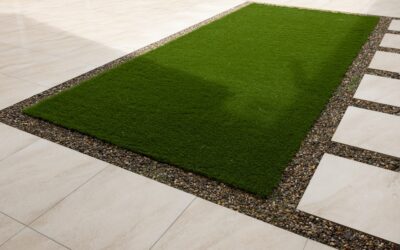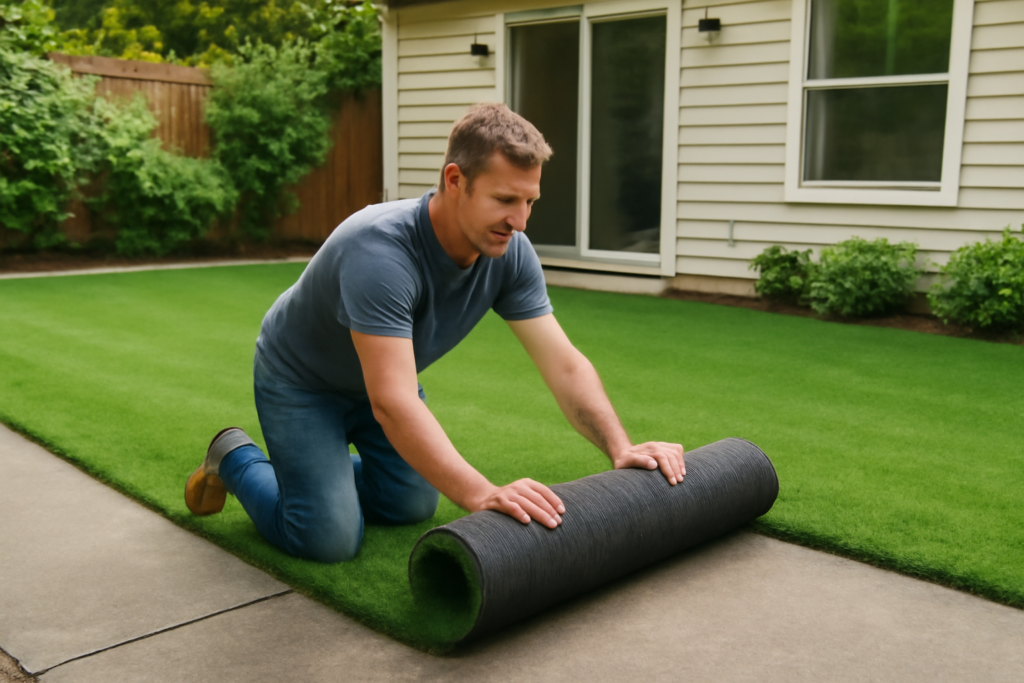
If you love the look and feel of grass but not the mowing, watering, and mud, a turf rug brings the green indoors and out without any of the upkeep. A turf rug is a portable piece of artificial grass with a finished, bound edge, designed to drop onto a patio, balcony, deck, or even a playroom floor. It delivers a soft, lawn-like surface that drains, resists fading, and rolls up for storage, making it one of the easiest ways to add a touch of green to a hard space.
What a Turf Rug Is
A turf rug is essentially artificial grass cut to a manageable size and given finished edges so it lies flat and looks intentional rather than like a leftover roll of installation turf. The grass blades are synthetic fibers, usually polyethylene or polypropylene, tufted into a backing that often includes drainage holes. Unlike a full artificial lawn installation, a turf rug is not glued or staked down permanently; it is meant to be placed, moved, and stored like any area rug.
Where to Use a Turf Rug
The versatility is the appeal. Common uses include:
- Patios and decks: Soften hard concrete or composite with a green, comfortable surface.
- Balconies: Bring greenery to an apartment with no yard.
- Pool surrounds and dog areas: A draining, easy-to-rinse surface that handles water and pets.
- Playrooms and home gyms: A soft, cushioned indoor surface for kids or workouts.
- Events and staging: A quick way to dress up a space temporarily.
Pile Height and Quality
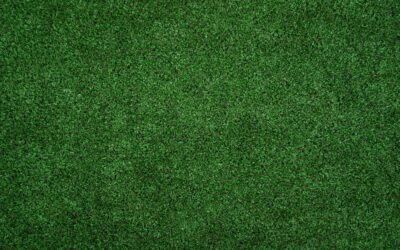
Not all turf rugs feel the same underfoot, and pile height is a big reason why. Shorter piles, around a fraction of an inch, look manicured and are easy to clean, making them great for high-traffic and pet areas. Taller piles feel plusher and more like natural grass but can mat down over time. Look for a higher stitch density and a quality backing, since cheap turf with sparse fibers flattens quickly and looks artificial. Multi-tone blades that mix shades of green with a hint of brown thatch read as far more realistic than a single flat green.
Drainage Matters
For outdoor use, drainage is critical. A good turf rug has perforated backing that lets rain, spills, and pet waste rinse straight through rather than pooling on top. This keeps the surface usable after rain and makes cleanup easy. If you are placing a turf rug over a solid surface like concrete, the water still needs somewhere to go, so position it where runoff can drain away rather than trapping moisture underneath, which can lead to mildew.
Cleaning and Maintenance
Turf rugs are refreshingly low-maintenance. For routine care, shake off loose debris or sweep it with a stiff broom, brushing against the grain to keep the blades standing upright. Hose it down to rinse away dust and dirt. For pet areas, rinse regularly and use a mild, turf-safe cleaner or a diluted vinegar solution to control odor, then rinse thoroughly. Let it dry before placing furniture back on top. Avoid harsh chemicals and excessive heat, and never put a synthetic turf rug too close to a grill or fire pit, since the fibers can melt.
What a Turf Rug Costs
Pricing depends on size, pile height, and quality. Small accent turf rugs are inexpensive, while large, dense, realistic turf rugs with high stitch counts cost more because you are getting more and better material. As with most things, the cheapest options tend to flatten and fade faster, so a mid-range rug often delivers better long-term value. Shop seasonally for outdoor deals, and measure your space so you buy the right size rather than trimming a too-large piece, which can leave a raw edge.
Pros and Cons
On the plus side, turf rugs are low-maintenance, soft, weather-resistant, quick to install, and easy to move or store. They are great for renters and anyone wanting green without a real lawn. On the downside, lower-quality turf can look artificial and mat down, the surface can get hot in direct sun, and synthetic fibers are not biodegradable. They also do not replace the ecological benefits of real grass. Weigh those trade-offs against your needs.
Turf Rug Versus Full Artificial Lawn
It helps to know when a turf rug is the right tool versus a permanent artificial lawn installation. A turf rug is portable, requires no ground prep, and can be picked up, moved, or stored, which makes it ideal for renters, balconies, patios, and seasonal use. A full artificial lawn, by contrast, is a permanent project that involves excavating, laying a base of compacted aggregate, infill, and securing the turf, and it is meant to replace a real yard long-term. If you want green on a hard surface or a temporary, flexible solution, the rug wins on convenience and cost. If you want to permanently replace a patchy lawn, the full installation is the better, if more involved, route.
Safety and Practical Tips
A few practical points keep a turf rug safe and looking good. On smooth surfaces, use a non-slip pad or grippers so the rug does not slide underfoot, especially around pools and on balconies where wet surfaces get slick. Keep the rug well away from grills, fire pits, and other heat sources, since the synthetic blades can scorch or melt. In strong, sustained sun, the surface can heat up enough to be uncomfortable for bare feet or pets, so position it with that in mind or choose a lighter color. If you use it in a pet area, rinse it regularly and dry it fully to manage odor, and check periodically that the drainage holes are clear so water keeps flowing through rather than pooling.
Is a Turf Rug Right for You
For a patio, balcony, pet zone, or playroom that could use a soft, green, low-maintenance surface, a turf rug is a smart and flexible choice. Prioritize good drainage, a realistic multi-tone blade with decent density, and a pile height suited to your use. Brush it occasionally, rinse it as needed, and keep it away from heat sources, and your turf rug will keep that fresh-grass look for years with almost none of the work a real lawn demands.