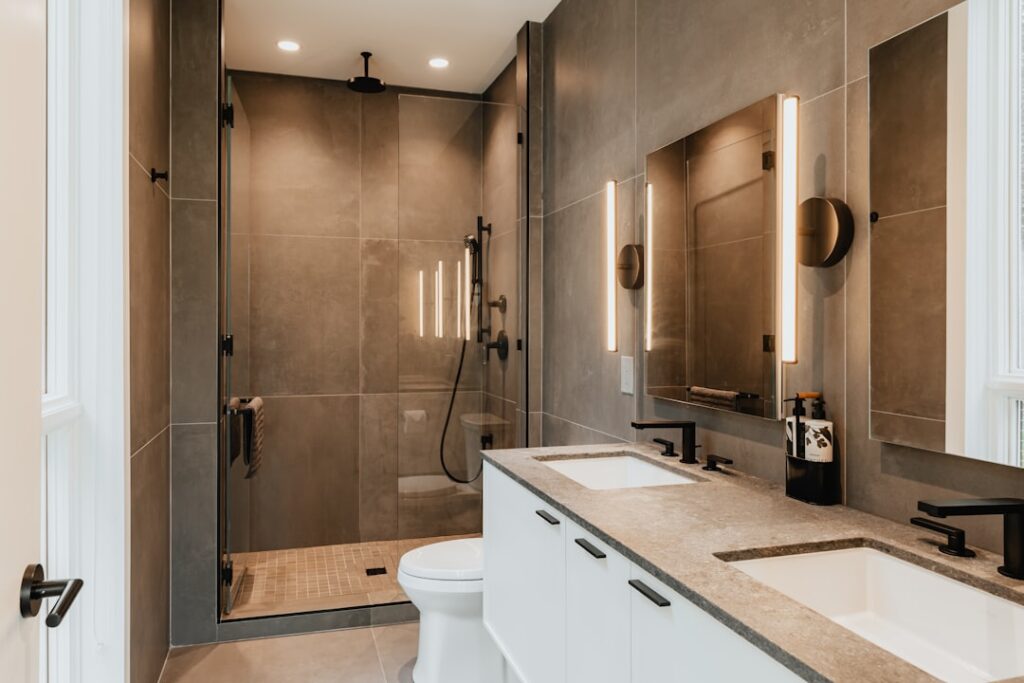
The shower curtain is the most overlooked design opportunity in any bathroom. It is a large fabric panel hanging at eye level, yet most people default to a plain white liner and call it done. The right unique shower curtain ideas can do what a full renovation does at a fraction of the cost, instantly setting the room’s color story, adding texture, and even changing how big the space feels. Because it is so easy to swap, the shower curtain is the lowest-risk way to experiment with bold design. This guide collects ideas that go well beyond the standard liner, from materials and patterns to layering tricks the pros use.
- Why the Shower Curtain Deserves Attention
- Play with Length and Height
- Bold Patterns and Color
- Texture Over Print
- Layering for a Custom Look
- Materials That Resist Mold and Moisture
- Hardware and Finishing Touches
- Themed and Personal Touches
- Coordinating with the Whole Room
- Budget-Friendly Swaps to Try First
- Final Thoughts
Why the Shower Curtain Deserves Attention
In a small bathroom, the curtain often occupies more visual real estate than any other single element. That makes it a powerful lever. A dramatic curtain can serve as the room’s centerpiece, pulling color from your tile, towels, and accessories into one cohesive statement. And unlike tile or paint, you can change it in five minutes whenever you want a new look.
It also does practical work. The curtain controls splash, adds privacy, and, with the right material, helps manage the moisture that defines a bathroom. So the smart approach is to treat it as both decor and function rather than an afterthought.
Play with Length and Height
One of the simplest tricks designers use is mounting the curtain rod higher than standard and choosing an extra-long curtain that nearly reaches the floor. Raising the rod toward the ceiling draws the eye upward and makes the ceiling feel taller, the same trick used with drapery in living rooms. An extra-long curtain that puddles slightly or just kisses the floor reads as luxurious rather than utilitarian.
Pair the taller rod with a separate, properly sized liner inside the tub so you keep the dramatic exterior look without sacrificing splash control. This single change transforms a cramped bathroom more than most people expect.
Bold Patterns and Color
If your tile and walls are neutral, the curtain is the place to take a risk. Large-scale botanicals, geometric prints, abstract watercolor, or a moody dark hue can anchor an otherwise plain room.
- Oversized florals or botanicals: bring life and a spa-like feel
- Bold geometrics: add a modern, graphic edge
- Deep solids: navy, forest green, or charcoal for instant sophistication
- Watercolor and ombre: soft, artistic gradients that feel custom
The beauty of going bold here is reversibility. If you tire of it, a new curtain costs a fraction of repainting or retiling, so this is the room to be brave.
Texture Over Print
Pattern is not the only way to make a curtain interesting. Texture adds quiet sophistication that reads as high-end. Waffle-weave cotton, linen-look fabric, tucked or pleated panels, and tasseled hems give the eye something to enjoy without competing with the rest of the room. A textured neutral curtain is the move when you want elevated and calm rather than loud.
Natural-fiber-look curtains in particular pair beautifully with warm wood accents and organic-modern bathrooms, lending a relaxed, boutique-hotel feel.
Layering for a Custom Look
Borrow a trick from window treatments and layer two curtains on a double rod or use a decorative outer panel with a functional liner. Layering adds depth and a tailored, finished look that a single panel cannot achieve. You might pair a sheer or lightweight decorative panel on the outside with a waterproof liner inside, or hang two complementary curtains that part in the center like drapes.
This approach makes a budget bathroom look designed and intentional, and it lets you mix a practical material with a purely decorative one.
Materials That Resist Mold and Moisture
Style means nothing if the curtain mildews in a month. Material choice matters as much as looks. Always use a dedicated liner behind a fabric decorative curtain so the pretty panel stays dry. For the liner, choose a material that resists mold and dries quickly, and wash or replace it on a regular schedule.
- Fabric outer curtain: cotton or polyester blends for the decorative look, kept dry by a liner
- Liner: a mildew-resistant material that you can launder or swap out
- Quick-dry weaves: waffle and linen-look fabrics that breathe and dry fast
Good ventilation helps too. Run the exhaust fan and spread the curtain out to dry after showers, and even the most decorative panel will stay fresh.
Hardware and Finishing Touches
The details around the curtain elevate the whole look. Swap plastic rings for metal hooks that match your faucet and towel bars, choosing a finish like matte black, brushed brass, or polished nickel for cohesion. A curved or hotel-style rod adds elbow room inside the shower and a touch of luxury. Even the tieback, if you use one, becomes a small design moment.
Coordinating the hardware finish across the curtain rings, faucet, and accessories is the kind of small consistency that makes a bathroom feel professionally designed.
Themed and Personal Touches
For kids’ bathrooms or guest spaces, the curtain is a fun place to express personality, a playful map, a vintage print, or a coastal motif. In a powder room used by guests, a striking curtain becomes a conversation piece. Just keep the rest of the room calm so the curtain reads as a deliberate focal point rather than visual clutter.
Coordinating with the Whole Room
The most polished bathrooms treat the shower curtain as one note in a larger arrangement rather than a stand-alone statement. Pull a single color from the curtain into your towels, a bath mat, or a small piece of art, and the whole room suddenly looks intentional. You do not need everything to match perfectly; in fact, an exact match can feel flat. Aim instead for a coordinated palette where two or three colors repeat across the space in different proportions.
Scale is another quiet consideration. A large bathroom can carry a big, bold pattern that would overwhelm a small powder room, while a tiny space often looks best with a subtle texture or a tone-on-tone print. Match the curtain’s visual weight to the size of the room, and the design reads as deliberate rather than accidental.
Budget-Friendly Swaps to Try First
Before committing to anything elaborate, test the impact of small changes. Swapping a tired plastic liner for a fresh fabric panel, upgrading the rings to a metal finish that matches your faucet, or simply raising the rod a few inches each cost very little and deliver an outsized result. Seasonal swaps are another low-cost trick: a lighter, airier curtain for spring and summer and a deeper, richer one for fall and winter keeps the room feeling current year-round.
- Replace a worn liner with a clean, mildew-resistant one
- Upgrade rings or hooks to a metal finish that matches your hardware
- Raise the rod toward the ceiling for instant height
- Rotate two curtains seasonally to refresh the look
Final Thoughts
The best unique shower curtain ideas treat this humble panel as the design opportunity it really is. Raise the rod for height, go bold with pattern or rich with texture, layer for a custom look, and always back it with a mold-resistant liner and matching hardware. Because it is so easy and inexpensive to change, the shower curtain is the smartest place in the whole house to take a design risk, and the easiest to reverse if you ever change your mind.