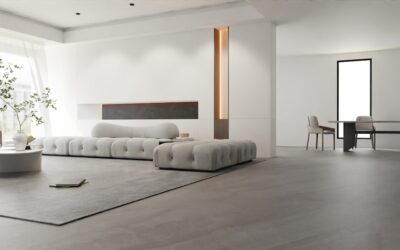
Few materials have transformed home renovation like vinl flooring, the common shorthand for vinyl flooring. Once dismissed as a cheap kitchen surface, modern vinyl now imitates oak, marble, and slate so convincingly that many buyers cannot tell the difference until they touch it. It is waterproof, affordable, and tough enough for the busiest rooms in the house. But the category covers everything from $1 peel-and-stick squares to premium rigid-core planks, so knowing the differences keeps you from overpaying or underbuying.
The Three Main Types of Vinyl
Vinyl flooring sells in three basic formats, each with its own strengths.
- Sheet vinyl: Comes in wide rolls with very few seams, making it the most water-resistant format and a longtime favorite for bathrooms and laundry rooms.
- Vinyl tile (LVT): Individual squares that mimic stone and ceramic, often installed glue-down or with grout-look spacing.
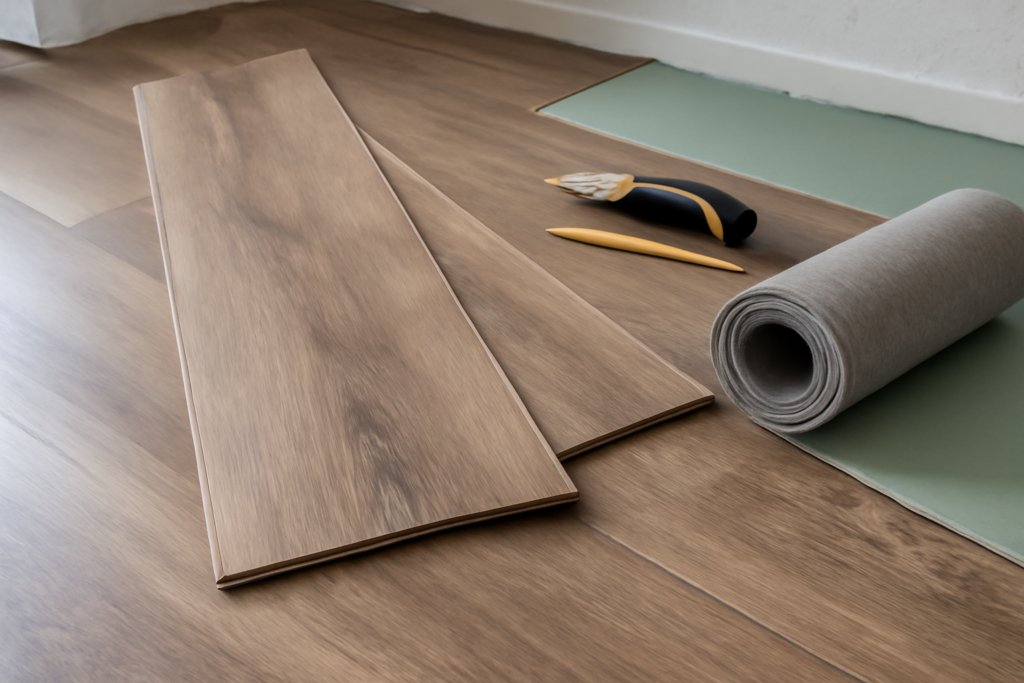
- Vinyl plank (LVP): Wood-look boards, usually click-lock floating, that dominate today’s market for living areas.
Understanding the Core
The core determines how a vinyl floor feels and performs. Flexible vinyl bends and conforms to the subfloor, while rigid-core products stay dead flat. Two rigid cores lead the market: SPC, a dense stone plastic composite that resists dents and hides subfloor flaws, and WPC, a wood plastic composite that feels warmer and softer underfoot. For high-traffic rooms and uneven subfloors, SPC is the safer bet. For comfort in living spaces, WPC has the edge.
The Pros That Make Vinyl Popular
Vinyl earns its reputation through a combination of practicality and value. Waterproof construction means spills, pet accidents, and even minor flooding wipe up without damage on quality rigid-core products. It is forgiving underfoot, quieter than tile, and warmer in winter.
- Affordability: Among the lowest-cost durable floors available.
- Easy DIY installation: Click-lock planks need no glue, nails, or special skills.
- Low maintenance: Sweep and damp-mop; no sealing or refinishing required.
- Realistic appearance: High-definition printing and embossed textures rival natural materials.
The Cons to Keep in Mind
Vinyl is not perfect. It cannot be refinished, so once the wear layer is gone the floor must be replaced. It does not add the resale prestige of genuine hardwood or stone. Sharp objects and heavy furniture can dent or gouge softer products, and direct, prolonged sunlight can fade or expand budget planks. Because it is a plastic, choose products certified to FloorScore or GreenGuard Gold to keep indoor air quality high.
How to Read the Spec Sheet
The wear layer, measured in mils, is the number that predicts longevity. Aim for 12 mil in a normal family home, 20 mil or more for rentals and heavy traffic, and treat anything under 6 mil as light-duty. Overall thickness, usually 4 mm to 8 mm, affects how solid the floor feels and how well it hides imperfections. Check whether attached underlayment is included, since it adds comfort and reduces noise.
What Vinyl Flooring Costs
Pricing spans a wide range depending on quality.
- Peel-and-stick tile: often under $2 per square foot, best for low-traffic spaces.
- Sheet vinyl: roughly $1 to $4 per square foot of material.
- Luxury vinyl plank and tile: commonly $2 to $7 per square foot, with premium lines higher.
Professional installation typically adds $1.50 to $4 per square foot. For a 200-square-foot room, a mid-grade installed floor lands around $700 to $1,800. Buy 7 to 10 percent extra for waste and future repairs.
Installation Basics
Let planks acclimate in the room for about 48 hours, then start on a clean, dry, flat subfloor. Floating click-lock floors need a quarter-inch expansion gap around the perimeter and staggered end seams at least 6 inches apart. Glue-down tile and sheet vinyl demand a flatter substrate and proper adhesive technique. Filling subfloor imperfections with a leveling compound prevents bumps from telegraphing through the finished surface.
Caring for Vinyl Flooring
Vinyl is among the easiest floors to maintain, but a smart routine keeps it looking new far longer. Sweep or dust regularly to remove grit that can scratch the wear layer, and damp-mop with a pH-neutral cleaner formulated for vinyl. Steer clear of steam mops, abrasive scrubbers, and wax or oil-based polishes, all of which can damage the surface or leave a dull haze. Felt pads under furniture legs and entry mats at doorways do more to protect a vinyl floor than any cleaning product, since they stop scratches and tracked-in dirt before they start.
For rooms with strong sunlight, use shades or UV-filtering film to limit fading on budget products. Wipe up spills reasonably promptly even though the surface is waterproof, mainly to avoid slips and to keep moisture from working its way into seams on glue-down installations.
Vinyl vs Laminate vs Tile
Choosing among the popular hard-surface options comes down to a few trade-offs. Compared with laminate, vinyl is more water resistant, since traditional laminate’s fiberboard core swells when wet, while laminate often feels slightly more rigid and can look very convincing. Compared with tile, vinyl is warmer, softer, quieter, and far simpler to install, though porcelain tile is harder, longer-lasting, and the better choice for the wettest rooms. Vinyl’s sweet spot is the homeowner who wants waterproof performance and a wood or stone look without the cost, weight, or installation difficulty of the materials it imitates.
Where Vinyl Works Best
Vinyl’s versatility means it fits almost anywhere, but it truly shines in certain rooms. Kitchens benefit from its waterproof, easy-clean surface and comfort underfoot during long stretches of cooking. Bathrooms and laundry rooms take advantage of its moisture resistance, with sheet vinyl excelling where standing water is a risk. Basements, which experience humidity and the occasional minor flooding, are ideal candidates for rigid-core vinyl that can handle damp conditions where wood would fail. Busy family rooms, entryways, and homes with pets all reward vinyl’s scratch and water resistance. About the only places to think twice are sunrooms with intense direct light, where you should confirm a product’s fade and heat tolerance first.
Is Vinyl Flooring Right for You?
For waterproof durability, easy installation, and a budget-friendly price, vinyl flooring is one of the most versatile choices on the market. Choose rigid-core LVP with a 20 mil wear layer for busy households, sheet vinyl for the wettest rooms, and certified low-emission products for healthier indoor air. Match the wear layer to your traffic, prep the subfloor well, and a quality vinyl floor will serve your home reliably for many years.
Prefer to explore on your own?
See how new flooring looks in your actual room in seconds — free, no signup.
Try the free Floor Studio →