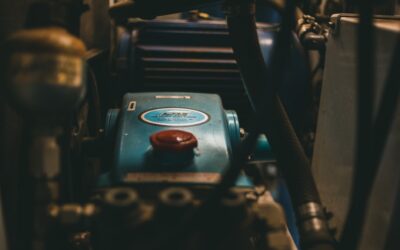
For a garage, workshop, car-detailing bay, or small business, a fixed cleaning station beats wrestling a portable unit every time. A wall mount pressure washer bolts to the wall, stays permanently plumbed and wired, and is ready the moment you pick up the wand. This guide covers how they work, hot versus cold water models, installation, electrical needs, and how to choose one.
- What a Wall Mount Pressure Washer Is
- Key Advantages Over Portable Units
- Hot Water vs Cold Water Models
- Understanding the Specs
- Electrical Requirements
- Installation Steps
- Water Supply Considerations
- Common Applications
- Choosing the Right Model
- Maintenance
- Cost Overview
- Hose Reels and Wand Storage
- Triplex vs Axial Pumps
- Space Planning and Placement
- Safety Notes
- Final Thoughts
What a Wall Mount Pressure Washer Is
A wall mount pressure washer is a stationary electric unit fixed to a wall rather than a wheeled frame. It houses the motor and pump in a compact enclosure, connects to a permanent water supply and power, and often includes an integrated hose reel. Because it lives in one place, it eliminates the setup and teardown of a portable machine and frees up valuable floor space, which is why they are popular in garages, agricultural buildings, and commercial wash bays.
Key Advantages Over Portable Units
Fixed installation brings several practical benefits:
- Space savings: Nothing on the floor to trip over or store.
- Always ready: No hauling, plugging in, or connecting hoses each time.
- Cleaner setup: Permanent plumbing and wiring look tidy and professional.
- Integrated hose reel: Keeps the high-pressure hose organized and kink-free.
- Durability: Many use industrial-grade pumps built for frequent use.
Hot Water vs Cold Water Models
This is the biggest decision. Cold-water wall units are simpler, cheaper, and fine for dirt, mud, and general grime. Hot-water models heat the water with a diesel, gas, or electric burner and cut through grease, oil, and baked-on residue far faster, which is why they dominate in mechanic shops, farms, and food-processing settings. Hot-water units cost considerably more, need fuel or extra power, and require venting for combustion burners, so choose based on whether oil and grease are part of your cleaning.
Understanding the Specs
Wall mount units are rated like any pressure washer:
- PSI: Commonly 1,500 to 3,000 for residential and light commercial units, higher for industrial.
- GPM: Typically 1.5 to 4 gallons per minute; higher flow cleans faster.
- Motor: Rated in horsepower or kilowatts; larger motors sustain pressure under continuous use.
- Duty cycle: Industrial pumps handle continuous use, while budget units need rest periods.
Match PSI and GPM to your work; a car-wash bay needs less than a farm equipment station.
Electrical Requirements
Power needs vary widely and drive installation cost. Smaller units run on a standard 120V, 15- or 20-amp circuit, while more powerful models require 240V and sometimes three-phase power in commercial settings. Because these machines draw heavily and often run in wet areas, the circuit should be GFCI protected and, for permanent hardwired units, installed by a licensed electrician to meet local code. Never power a wall-mount washer through a light-duty extension cord.
Installation Steps
A typical cold-water residential install follows this sequence.
- Choose a solid wall, ideally masonry or reinforced studs, near water and power.
- Mount the bracket at a comfortable working height using appropriate anchors.
- Hang the unit and secure all fasteners to the rated torque.
- Connect a dedicated cold-water supply line with a shutoff valve.
- Have an electrician wire the unit to a GFCI-protected circuit.
- Attach the high-pressure hose, reel, and wand, then test at low pressure.
Water Supply Considerations
A steady, adequate water supply is essential. The incoming line must deliver at least the machine’s rated GPM, or the pump will starve, cavitate, and wear out prematurely. Use a supply line of the recommended diameter, add an inlet filter to protect the pump from grit, and install a shutoff valve so you can isolate the unit for service. In freezing climates, the supply line and pump must be drained or protected, since a burst pump is an expensive repair.
Common Applications
Wall mount pressure washers earn their keep in many settings:
- Home garages for washing cars, bikes, and outdoor gear.
- Auto-detailing bays needing a permanent, always-ready setup.
- Farms and stables cleaning equipment, floors, and animal areas.
- Workshops removing grease and shop grime from tools and floors.
- Commercial kitchens and food facilities where hot water is required.
Choosing the Right Model
Start by defining your primary task, then match specs to it. For a home garage washing vehicles, a cold-water 1,800 to 2,300 PSI unit on 120V is plenty. For a busy shop tackling grease, step up to a hot-water model on 240V with an industrial pump and a longer duty cycle. Also weigh the hose length and reel, the availability of a detergent injector, and whether the pump is a durable triplex design or a lighter axial type meant for occasional use.
Maintenance
Fixed units still need routine care. Flush the pump with clean water after using detergents, check and clean the inlet filter regularly, and inspect hoses and fittings for leaks. Triplex pumps use pump oil that should be changed on the manufacturer’s schedule. For hot-water models, service the burner and check fuel and venting periodically. In cold climates, run pump antifreeze through the system before winter to prevent freeze damage to the pump head.
Cost Overview
Cold-water residential wall units start around $300 to $700, mid-range commercial cold-water models run $800 to $2,000, and hot-water industrial units range from $3,000 well into five figures. Installation adds electrical and plumbing labor, especially for 240V hardwiring or burner venting. For frequent users, the convenience and durability easily justify the cost over repeatedly replacing consumer portable washers.
Hose Reels and Wand Storage
One of the biggest conveniences of a wall-mounted unit is integrated storage that keeps everything tidy and ready. A built-in or add-on hose reel prevents the high-pressure hose from tangling and kinking, which extends hose life and speeds up every job. Look for a reel that swivels smoothly and holds enough hose to reach the far corners of your work area, commonly 25 to 50 feet. A holster or hook for the wand and a rack for spare nozzles complete a clean setup, so you are never hunting for the right tip mid-job.
Triplex vs Axial Pumps
The pump is the heart of any pressure washer, and fixed units often use better pumps than portables. Triplex pumps, with three ceramic pistons, are the durable industrial standard, running cooler under continuous use and fully rebuildable, which suits a permanently installed machine that sees frequent duty. Axial cam pumps are lighter and cheaper, adequate for occasional home use but not for all-day commercial work. If you are installing a wall unit for a busy shop or farm, spending more for a triplex pump pays off in years of reliable service and lower repair costs.
Space Planning and Placement
Because the unit is permanent, plan its location carefully before drilling. Mount it where the wand can reach your entire work zone, near both a water supply and appropriate power, and at a height that keeps controls accessible without straining. Leave clearance around the enclosure for ventilation and service access, and avoid spots where overspray could reach electrical outlets or stored items. In a garage, a corner near the vehicle bay works well; in a barn or shop, position it central to the equipment you clean most.
Safety Notes
High-pressure water and electricity in a wet area demand respect. Always use GFCI protection, keep the wand pointed away from people, and never bypass safety features. Hot-water units add burn and combustion risks, so follow venting requirements and never operate a fuel burner in an unventilated space. Wear eye protection and closed shoes, and relieve system pressure before disconnecting any hose or fitting.
Final Thoughts
A wall mount pressure washer transforms cleaning from a chore of hauling and setup into a grab-the-wand-and-go task, while reclaiming floor space in the process. Decide first between hot and cold water based on grease exposure, size the PSI and GPM to your work, and have the electrical and plumbing installed to code. For anyone who cleans frequently in a fixed location, a wall-mounted unit is a durable, convenient upgrade that pays off for years.