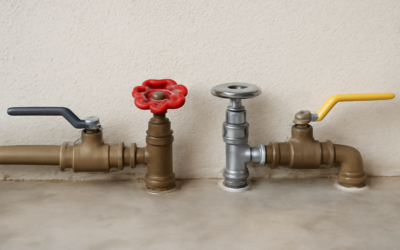
The water meter shut off valve is one of the most important fixtures in your home, yet most homeowners could not locate it during an emergency. When a pipe bursts, a typical half-inch supply line can release several gallons of water per minute, flooding a room in minutes and causing thousands of dollars in damage to floors, drywall, and belongings. Knowing exactly where this valve is and how to operate it can be the difference between a quick fix and a catastrophic loss. This guide explains where to find the valve, the different types, how to shut it off safely, and how to keep it working when you need it most.
What the Water Meter Shut Off Valve Does
Your home actually has at least two main shut off points. The water meter shut off valve, sometimes called the curb stop or street-side valve, controls the water entering from the municipal supply at the meter itself. The second is the main house shut off valve, located where the supply line enters your home. The meter valve belongs to the water utility and controls the entire flow before it even reaches your property line plumbing. Understanding this distinction matters: the house valve is your everyday tool, while the meter valve is the backup that stops water at the source when the house valve fails or leaks before it.
Where to Find It
The location depends on your climate and region. In warmer parts of the country, the meter is usually housed in an underground concrete or plastic box near the street or sidewalk, covered by a metal or plastic lid often labeled water. In colder climates where pipes must stay below the frost line, the meter and its valve are typically indoors, mounted on a wall in the basement, crawl space, or a utility closet near the front of the house. Look for a pipe coming up through the floor or wall with a meter attached and a valve on either side. If you cannot find it, your water utility can tell you the exact location for your address.
Types of Shut Off Valves
Knowing which valve type you have determines how you operate it:
- Ball valve: The most common modern type, featuring a straight lever handle. The valve is open when the handle is parallel to the pipe and closed when it is perpendicular. A quarter turn fully shuts the water.
- Gate valve: An older style with a round wheel handle that you turn clockwise, often many full rotations, to close. These can seize up over time and are prone to failure if never exercised.
- Curb stop valve: Found in the underground meter box, this often requires a special long-handled tool called a meter key or curb key to operate, since it sits several feet below ground.
How to Shut Off the Water in an Emergency
When water is actively flooding your home, speed matters. Follow these steps:
- Stay calm and head straight to your known valve location.
- For a ball valve, turn the lever a quarter turn until it sits perpendicular to the pipe.
- For a gate valve, turn the round wheel clockwise until it stops; do not force it past resistance.
- For an underground curb stop, lift the meter box lid, insert the meter key onto the valve, and turn it a quarter turn until it stops.
- Open a faucet on the lowest floor to relieve pressure and confirm the water has stopped.
Because seconds count during a flood, practice locating and operating your valve before an emergency ever happens.
Tools You Should Keep on Hand
A little preparation prevents panic. Keep a meter key, available at most hardware stores for under $20, near your other emergency supplies if your shut off is in an underground box. A pair of channel-lock pliers or an adjustable wrench helps with stiff handles, though you should never overtighten and risk snapping an old valve. A flashlight stored nearby is invaluable, since meter boxes and basements are often dark. Some homeowners tie a brightly colored tag to the valve so anyone in the household can find it quickly. Make sure every adult in the home knows the location and method, not just one person.
Why You Should Exercise the Valve Periodically
Valves that sit untouched for years tend to seize, corrode, or develop mineral buildup that prevents them from closing fully when you finally need them. Once or twice a year, turn the valve off and back on to keep it moving freely. With gate valves especially, do this gently, because the internal stem can break if it is badly corroded. If the valve is extremely stiff, leaks around the handle, or will not fully stop the flow, it is time to replace it. This simple maintenance habit is cheap insurance against discovering a frozen valve in the middle of a plumbing disaster.
Protecting Your Floors from Water Damage
Water emergencies and flooring damage go hand in hand, which is why we cover this topic at D and G Flooring. Hardwood can cup and warp within hours of standing water, laminate can swell permanently, and trapped moisture under any floor invites mold. The faster you reach the shut off valve, the less water reaches your subfloor. Beyond knowing your valve, consider installing a water leak detector near appliances like washing machines, water heaters, and dishwashers, which are common failure points. Some smart detectors can even trigger an automatic shut off, stopping a leak even when no one is home.
When to Call a Professional
Some situations call for an expert rather than a DIY approach. If your only working shut off is the utility-owned curb stop and it is damaged or stuck, contact your water department rather than forcing it, since damaging the meter can make you liable for repairs. If your house valve leaks, drips, or fails to stop the flow, a licensed plumber can replace it, often upgrading an old gate valve to a reliable quarter-turn ball valve for $150 to $400 depending on access and location. Any time you are unsure which valve controls what, professional guidance prevents a small problem from becoming an expensive one.
Final Thoughts
The water meter shut off valve is a piece of hardware you may use only a handful of times in your life, but each of those moments is likely to be a crisis. Take fifteen minutes today to locate your valve, identify its type, confirm it works, and show every member of your household how to operate it. That small investment of time protects your floors, your walls, and your peace of mind against one of the most common and costly home emergencies.