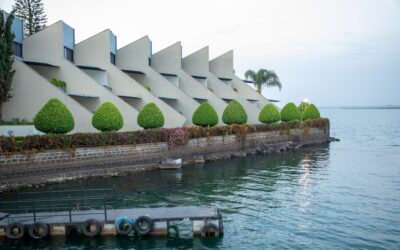
Owning property along a lake, river, or pond is a dream, right up until the shoreline starts washing away. Smart waterfront retaining wall ideas protect your land from erosion, manage the constant pressure of water and saturated soil, and turn a vulnerable bank into a beautiful, usable outdoor space. Because waterfront walls face challenges that ordinary garden walls never see, the right design balances engineering with aesthetics. Here are the approaches, materials, and design strategies worth considering before you break ground on the water’s edge.
- Why Waterfront Walls Are Different
- Natural Stone for Timeless Waterfront Retaining Wall Ideas
- Riprap and Rock Revetments
- Segmental Block and Engineered Walls
- Seawalls and Bulkheads
- Terracing and Living Shorelines
- Design and Drainage Essentials
- Permits and Environmental Rules
- Maintenance and Long-Term Care
- The Bottom Line
Why Waterfront Walls Are Different
A retaining wall away from water only holds back soil. A waterfront wall fights a tougher battle: fluctuating water levels, wave action, saturated ground that pushes with tremendous hydrostatic pressure, and often freeze-thaw cycles that heave everything. Drainage becomes the make-or-break factor, because water trapped behind a wall exerts far more force than dry soil ever could. This is why waterfront walls demand proper weep holes, gravel backfill, and sometimes engineered footings that go well below the frost line.
Local regulations add another layer. Most shorelines fall under environmental protection rules, and you will likely need permits from a conservation authority or the Army Corps of Engineers before building near the water. Always confirm requirements first, since unpermitted shoreline work can bring steep fines and forced removal.
Natural Stone for Timeless Waterfront Retaining Wall Ideas
Nothing complements a natural shoreline like natural stone. A dry-stacked or mortared stone wall blends into the landscape and ages gracefully, developing moss and patina that make it look like it has always belonged there. Large fieldstone boulders, sometimes called armor stone, are especially effective because their sheer mass resists wave action and shifting soil.
Stone offers design flexibility too. You can build a low, gently curved wall that follows the water’s edge, stack a rugged boulder wall for a wild look, or lay flat stacked stone for a refined, architectural finish. The gaps between dry-stacked stones also allow water to drain naturally, easing the hydrostatic pressure that destroys sealed walls.
Riprap and Rock Revetments
For banks that take heavy wave or current action, riprap is a proven, cost-effective solution. Riprap is a layer of loose, angular rock placed along the slope to absorb and dissipate the energy of moving water before it can erode the soil beneath. It looks natural, requires little maintenance, and flexes with minor ground movement rather than cracking like a rigid wall.
The key to durable riprap is a filter layer, either geotextile fabric or graded gravel, placed under the rock to keep soil from washing out through the gaps. Stone size should match the water’s energy; gentle ponds need smaller rock, while exposed lakefronts facing big waves require larger armor stone. Riprap pairs beautifully with native plantings for a soft, naturalistic edge.
Segmental Block and Engineered Walls
Manufactured segmental retaining wall blocks offer a clean, uniform look and predictable engineering. These interlocking concrete units stack without mortar and rely on their mass plus geogrid reinforcement buried in the backfill to hold back soil. For waterfront use, choose blocks rated for wet conditions and pair them with robust drainage.
Block walls suit homeowners who want terracing or a more formal, structured appearance. They come in colors and textures that mimic natural stone while installing faster and more affordably. Just remember that any block wall over about 4 feet tall, or one holding a slope near water, typically requires an engineer’s design and a permit.
Seawalls and Bulkheads
Where the shoreline is steep or the water deep, a vertical seawall or bulkhead creates a hard, defined edge. Built from poured concrete, vinyl sheet piling, or treated timber, these structures hold back the bank and provide a clean line for docks and waterfront access. Modern vinyl sheet piling has become popular because it never rots, resists marine borers, and installs relatively cleanly.
Seawalls are the most engineering-intensive option and the most regulated. They also reflect wave energy rather than absorbing it, which can worsen erosion elsewhere, so they suit specific situations and always warrant professional design. When done right, though, a bulkhead offers maximum land protection and a usable, sittable edge.
Terracing and Living Shorelines
You do not always need one tall wall. Terracing, a series of low walls stepping up the slope, breaks the grade into manageable levels, reduces pressure on any single wall, and creates planting beds between tiers. This approach looks lush and natural while spreading the structural load. Each terrace can host native grasses, shrubs, or perennials that further anchor the soil with their roots.
The living shoreline concept takes this further, combining low stone or coir-log structures with dense native plantings and sometimes wetland vegetation. Deep-rooted native plants stabilize soil, filter runoff before it reaches the water, and provide habitat, all while looking softer and more organic than a hard wall. Many conservation authorities now prefer or even require these greener methods.
Design and Drainage Essentials
Whatever material you choose, a few principles keep a waterfront wall standing:
- Drainage first. Install weep holes, a perforated drain pipe, and clean gravel backfill so water escapes instead of building pressure.
- Solid footing. Set the base below the frost line and on compacted, stable ground, often reinforced for wet soil.
- Filter fabric. Separate soil from gravel and rock so fines do not wash out and undermine the wall.
- Native planting. Add deep-rooted plants above and around the wall to lock soil and blend the structure into the landscape.
- Batter the wall. Angle it slightly back toward the bank so gravity works with you against the soil load.
These fundamentals matter more than the material you pick. A gorgeous stone wall with no drainage will fail, while a modest wall built with proper backfill will last decades.
Permits and Environmental Rules
Waterfront construction sits in one of the most heavily regulated categories of home improvement, and skipping the paperwork can be a costly mistake. Nearly every shoreline falls under the jurisdiction of a local conservation authority, a state environmental agency, or the Army Corps of Engineers, and often more than one. These bodies regulate how close to the water you can build, what materials are allowed, and how much of the natural bank you may disturb.
Start the permit process early, because approvals can take weeks or months. Many jurisdictions now favor softer, greener solutions and may require you to include native plantings or limit hard armoring. A permit also usually means an inspection, which protects you by confirming the work meets engineering standards. Building without approval risks fines, forced removal, and trouble when you sell the property. Consult your local authority before finalizing any design, since the rules directly shape what is even possible.
Maintenance and Long-Term Care
A waterfront wall faces constant stress, so ongoing care keeps it standing for decades. Inspect the wall each spring after the freeze-thaw season, looking for bulging, leaning, cracked units, or soil washing out at the base, all early signs that drainage may be failing. Keep weep holes and drain outlets clear of debris so water never backs up behind the structure.
Watch the toe of the wall where water meets the base, since scour and undermining there is the most common failure point. Add or replenish riprap at the base if you see erosion starting. Maintain the native plantings above and around the wall, since their roots are actively holding soil in place. Address small issues promptly rather than waiting, because a minor drainage problem left alone can escalate into a full wall collapse after one hard storm. Regular attention is far cheaper than a rebuild.
The Bottom Line
The best waterfront retaining wall ideas match the material to your shoreline’s conditions and always prioritize drainage and permitting over pure looks. Natural stone and riprap blend beautifully and handle water pressure gracefully, engineered block and seawalls deliver structure and defined edges, and terracing with native plantings offers a softer, eco-friendly path. Confirm your local regulations, plan for water to drain freely, and anchor the design with deep-rooted plants. Do it right, and your shoreline becomes a protected, stunning extension of your home for generations.