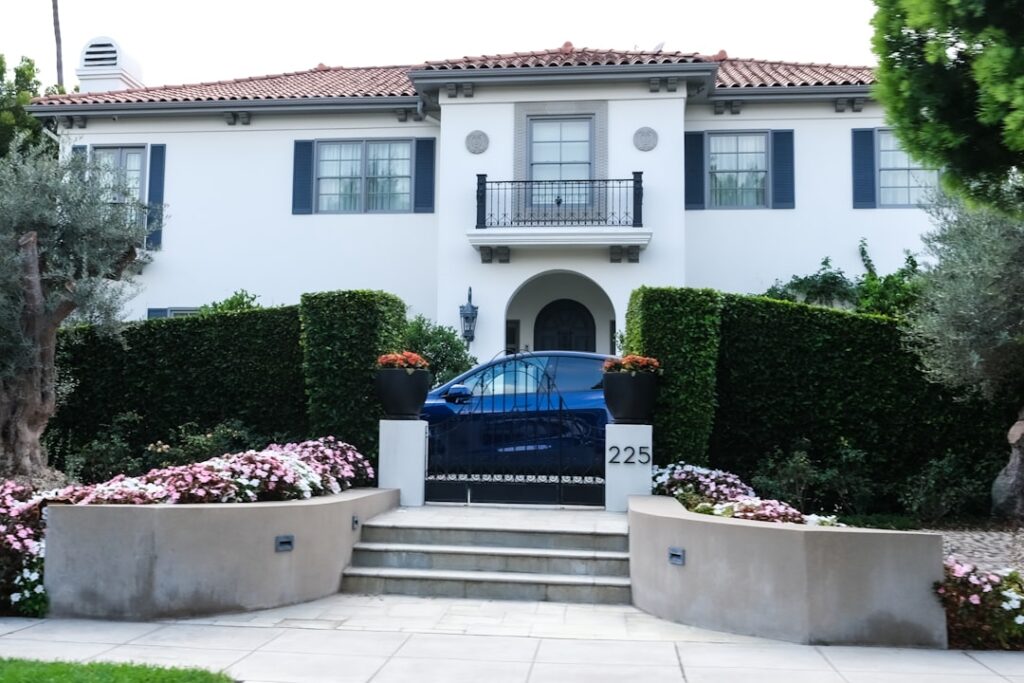
A well-built retaining wall can transform a sloped, awkward front yard into a series of usable, eye-catching spaces that boost your curb appeal the moment someone pulls up. The best small front yard retaining wall ideas do double duty, holding back soil and controlling erosion while creating raised beds, defined borders, and clean lines that make a modest yard look intentional and finished. You do not need a sprawling property or a huge budget to pull it off.
Having designed and built landscape walls for homeowners across every kind of lot, I have learned that the small front-yard wall is often the highest-impact project you can take on. It is compact enough to build in a weekend or two, affordable compared to a full hardscape overhaul, and visible to everyone who passes by. Here are the ideas, materials, and practical details worth knowing before you break ground.
Interlocking Concrete Block Walls
If you want the most reliable option for a first-time builder, interlocking concrete blocks are hard to beat. Brands like Allan Block, Versa-Lok, and Pavestone make units that stack with a built-in lip or pin system, so each course locks to the one below and naturally leans back into the slope for stability. No mortar, no special skills, just careful leveling of the first course.
These blocks come in a surprising range of colors and textures, from smooth charcoal modern faces to tumbled units that mimic weathered stone. For a small front-yard wall under 3 feet tall, expect to pay roughly $15 to $30 per square face foot installed, or about half that if you supply the labor yourself. A typical 20-foot-long, 2-foot-tall wall lands somewhere around $600 to $1,200 in materials for a DIY build.
The look works beautifully for a raised planting bed along the front walk or a low border that lifts your lawn above the sidewalk. Cap the top course with matching coping blocks for a crisp, finished edge that also gives you a spot to perch a potted plant or two.
Natural Stone for a Timeless Look
Nothing reads as high-end quite like natural stone, and a small front-yard wall is the perfect place to splurge on it since you need relatively little material. A dry-stacked fieldstone or fieldstone-and-mortar wall brings texture, warmth, and a sense of permanence that manufactured products struggle to match. Every stone is slightly different, so the wall looks custom because it genuinely is.
You can go two directions here. A dry-stacked wall, where stones are fitted without mortar, has a rustic cottage-garden feel and drains freely, which is a real advantage. A mortared stone wall looks more formal and holds tighter lines, better suited to a traditional colonial or craftsman front elevation. Fieldstone, limestone, and locally quarried flagstone are common choices, with material costs running $25 to $50 per square face foot.
Stone rewards patience. Fitting irregular pieces is slower than stacking uniform block, so give yourself extra time. The payoff is a wall that looks like it has always belonged there, aging gracefully as moss and plantings soften its edges over the seasons.
Timber and Wood Retaining Walls
For a warmer, more organic look on a budget, pressure-treated timbers or railroad-tie-style landscape timbers create a handsome low wall that suits ranch homes, cabins, and casual cottage yards. The horizontal lines of stacked timbers feel relaxed and natural, and the material is light enough to handle without heavy equipment.
Use timbers rated for ground contact, typically 6×6 pressure-treated lumber, and stagger the joints like brickwork so the wall ties together. Deadmen, which are perpendicular timbers buried back into the slope and anchored to the wall, keep taller sections from tipping forward. Budget around $12 to $20 per square face foot, making timber one of the more economical options for a small front wall.
Be honest about lifespan. Even ground-rated pressure-treated wood eventually gives way to rot and insects, usually lasting 15 to 20 years before it needs rebuilding. That is a reasonable trade for the low cost and warm appearance, but if you want a wall your grandchildren will see, stone or concrete is the wiser long-term investment.
Tiered and Terraced Designs for Sloped Yards
When your front yard drops steeply, a single tall wall is not always the answer, and it may even require an engineer and permit once it passes 3 to 4 feet in most jurisdictions. A smarter, better-looking solution is to break the slope into two or three shorter terraces, each held by its own low wall. Terracing spreads the load, keeps every individual wall within easy DIY territory, and creates planting shelves that turn a problem slope into a garden feature.
Space your terraces so each wall sits back from the one below by at least twice the lower wall’s height. That setback prevents the upper terrace from loading the lower wall and gives you room for a genuine planting bed on each level. Fill the shelves with low shrubs, ornamental grasses, or a cascade of creeping plants that spill over each edge for a lush, layered effect.
Terraced walls also solve a drainage puzzle elegantly, letting water step down gradually rather than pounding a single barrier. For a front yard that has always felt like an unusable hill, this is often the single best design move available to you.
Modern and Curved Wall Styles
If your home leans contemporary, a low wall with clean geometry and a smooth finish reinforces that architecture. Poured concrete, board-formed concrete showing subtle wood-grain texture, and large-format smooth block all create the minimal, sculptural look that pairs with modern landscaping and architectural plantings like agave, boxwood spheres, or ornamental grasses.
Curves are another way to add interest without extra height. A gently curved wall following a walkway or wrapping a corner planting bed feels softer and more designed than a straight run. Interlocking blocks handle curves easily because you can fan the units slightly at each course, and a serpentine low wall can double as informal seating near the entry.
Lighting takes these designs to the next level. Low-voltage LED fixtures tucked under the cap or recessed into the wall face wash light downward at night, highlighting the texture and guiding visitors to your door. It is an inexpensive upgrade, often $15 to $40 per fixture, that makes the whole front yard feel polished after dark.
Drainage and Foundation Basics You Cannot Skip
Here is the part that separates walls that last from walls that bulge and fail within a few years: drainage and a proper base. Water pressure building up behind a wall, called hydrostatic pressure, is what topples most failed retaining walls, not the weight of the soil itself. Every wall you build needs a way to relieve that pressure.
Start with a compacted gravel base at least 6 inches deep, and bury the first course of blocks below grade so the wall is anchored. Behind the wall, place a layer of clean crushed stone 12 inches thick and run a perforated drain pipe at the base that daylights to a lower point in the yard. Wrap the gravel in landscape fabric to keep soil from clogging it, and backfill in compacted lifts rather than one big dump of dirt.
Follow those steps and even a modest wall will stand straight and true for decades. Skip them, and the prettiest stone in the world will lean, crack, and bulge after the first few wet seasons.
Bringing Your Ideas Together
The strongest front-yard designs match the wall material to the house and keep the scale modest and human. A craftsman bungalow sings with dry-stacked stone, a modern home wants smooth concrete or clean block, and a cozy ranch feels right with warm timber or tumbled block. Pick the material that echoes something already present in your architecture, whether that is brick, siding color, or trim.
Before you buy a single block, call 811 to have underground utilities marked, check your local code for the height that triggers a permit, and sketch the wall against your walkway and plantings. A little planning ensures the finished project looks deliberate rather than tacked on.
These small front yard retaining wall ideas prove that you do not need a large lot or a contractor’s budget to create real impact. Choose a material you can work with, respect the drainage and base requirements, and you will end up with a wall that holds its ground, frames your plantings, and lifts your home’s first impression for years to come.