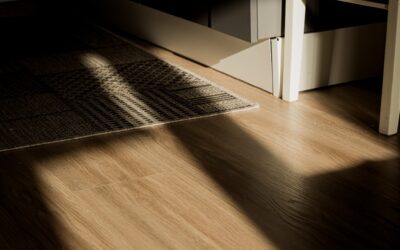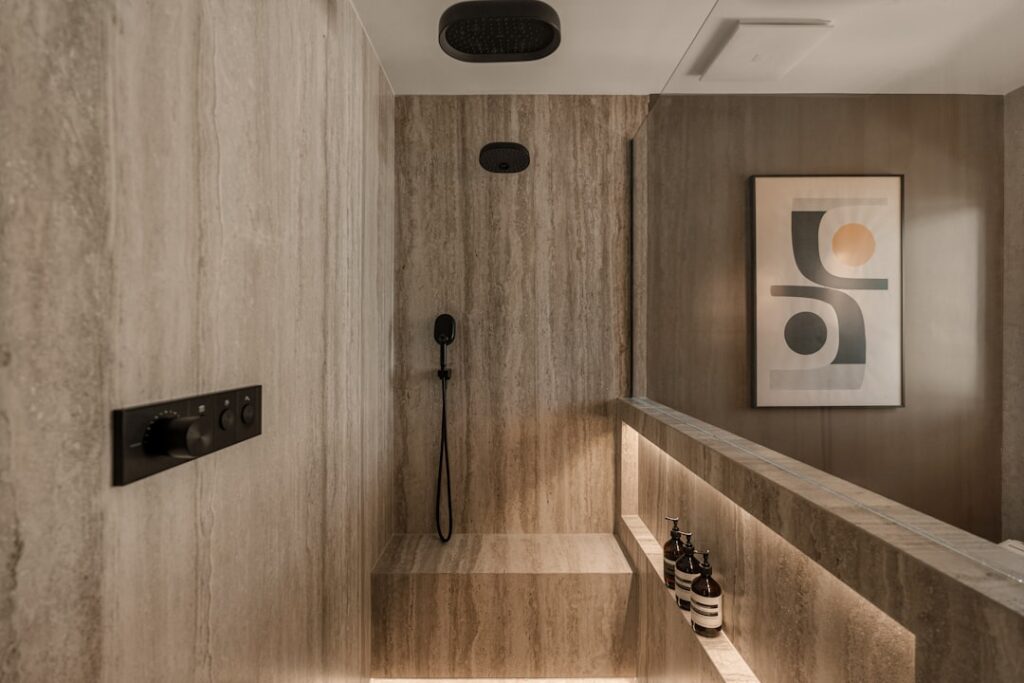
Waterproof vinyl flooring has become one of the fastest-growing categories in residential flooring, and the reason is practical: it gives you the look of hardwood or stone with zero water damage risk. Kitchens, bathrooms, basements, laundry rooms — anywhere moisture is a concern, waterproof vinyl handles it without warping, swelling, or delaminating.
Part of our Roofing guide — explore the full guide →
But not all waterproof vinyl is created equal. The market now includes several distinct technologies with real differences in performance, feel, and price. This guide breaks down what matters so you can choose the right product for your space.
- What Makes Vinyl Flooring Waterproof?
- Types of Waterproof Vinyl Flooring
- Where to Install Waterproof Vinyl Flooring
- Installation Basics
- Wear Layer Thickness Matters
- Cost of Waterproof Vinyl Flooring
- Maintenance and Care
- How Long Does Waterproof Vinyl Last?
- Choosing the Right Waterproof Vinyl
- Final Thoughts
What Makes Vinyl Flooring Waterproof?
All vinyl flooring is inherently water-resistant because vinyl (PVC) does not absorb water. However, not all vinyl flooring is truly waterproof. The distinction lies in the core construction and how the planks or tiles lock together.
Traditional vinyl flooring with a felt or fiberglass backing can allow water to seep through seams and penetrate the backing material. That backing absorbs moisture, creating conditions for mold growth and adhesive failure.
Modern waterproof vinyl uses a solid core — typically WPC or SPC — with click-lock joints that create a tight seal between planks. Water that reaches the surface stays on top of the floor. Even if water sits in a puddle for hours or days, the core material will not absorb it.
Types of Waterproof Vinyl Flooring
WPC (Wood Plastic Composite)
WPC vinyl flooring has a core made from a blend of wood fiber (or bamboo dust) and thermoplastic polymers, foamed to create a lightweight, slightly cushioned plank. It was the first mainstream “waterproof vinyl” product and remains popular for residential use.
Pros:
- Comfortable underfoot — the foamed core provides natural cushion
- Good sound absorption, reducing the hollow feel that some vinyl products have
- Warmer to walk on than stone-core alternatives
- Available in thick profiles (5mm to 8mm+) that feel substantial
Cons:
- Less dent-resistant than SPC — heavy furniture can leave impressions
- Can expand slightly in extreme heat, which limits use in sunrooms or spaces with direct sun exposure
- Generally more expensive than SPC per square foot
SPC (Stone Plastic Composite)
SPC flooring uses a core made from limestone powder and PVC, pressed under high heat and pressure into a dense, rigid plank. It is the newer technology and has rapidly gained market share due to its durability and lower price point.
Pros:
- Extremely dense and dent-resistant — handles heavy furniture, high-heel traffic, and pet claws
- Excellent dimensional stability, with virtually no expansion or contraction from temperature changes
- Thinner profiles (3.5mm to 6mm) that work well with existing door clearances and transitions
- Lower cost per square foot than WPC in most product lines
Cons:
- Harder and less forgiving underfoot — can feel cold and hollow without an attached pad
- Transmits more sound than WPC without a quality underlayment
- Less comfortable for standing for long periods (kitchens, standing desks)
Rigid Core Luxury Vinyl
This is a broader category that encompasses both WPC and SPC products. When a manufacturer labels something “rigid core” without specifying WPC or SPC, check the product data sheet. The core composition determines the feel and performance characteristics.
Loose Lay Waterproof Vinyl
Loose lay vinyl planks are thick, heavy, and designed to stay in place through friction and weight rather than click locks or adhesive. Many loose lay products are waterproof, but the seams are not sealed as tightly as click-lock systems. Water can potentially seep between planks if it pools for extended periods.
Loose lay is a good option for basements and rental properties where easy removal is a priority. For full waterproof protection in wet areas, click-lock systems provide a more reliable seal.
Where to Install Waterproof Vinyl Flooring
The primary advantage of waterproof vinyl is that it can go anywhere in your home, including spaces where traditional hardwood flooring or laminate flooring would be risky.
Best Applications
- Bathrooms — The most popular application. Waterproof vinyl handles splashes, drips, and the occasional bath overflow without damage.
- Kitchens — Spills are inevitable. Waterproof vinyl lets you clean up on your own schedule without panicking about water damage.
- Basements — Below-grade installations are prone to moisture vapor from concrete slabs. Waterproof vinyl with a built-in moisture barrier handles this well.
- Laundry rooms — Washing machine leaks and drips from wet clothes are a constant risk. Waterproof vinyl is ideal here.
- Entryways and mudrooms — Snow, rain, and muddy shoes are no problem.
Limitations to Consider
While waterproof vinyl handles surface water and splashes, it does not prevent damage from water that gets underneath the floor. A burst pipe that floods a room will send water under the edges and around the perimeter. The vinyl itself will not be damaged, but the subfloor beneath it can still develop mold if water is trapped underneath for an extended period.
For true waterproof flooring protection, pair your vinyl with proper subfloor preparation, including moisture testing and vapor barriers over concrete.
Installation Basics
Most waterproof vinyl flooring is designed for floating installation with click-lock joints. This means:
- No glue or nails required
- Can be installed over most existing hard-surface floors (tile, concrete, existing vinyl, hardwood)
- DIY-friendly — most homeowners can handle installation with basic tools
- Requires an expansion gap (typically 1/4 inch) around all walls and fixed objects
Subfloor flatness is critical. SPC products are especially sensitive to subfloor imperfections because the rigid core telegraphs bumps and dips. The standard tolerance is 3/16 inch of variation over a 10-foot span. Use self-leveling compound to correct any high or low spots before installation.
Wear Layer Thickness Matters
The wear layer is the transparent top coating that protects the printed design from scratches, scuffs, and UV fading. It is measured in mils (thousandths of an inch).
- 6-12 mil: Light residential use — bedrooms, guest rooms, low-traffic areas
- 12-20 mil: Standard residential use — living rooms, kitchens, hallways
- 20-28 mil: Heavy residential or light commercial use — busy households, home offices, retail spaces
- 28+ mil: Commercial grade — high-traffic retail, restaurants, offices
For most homes, a 20-mil wear layer offers the best balance of durability and cost. It will handle heavy daily traffic, pet claws, and furniture without showing wear for 15 to 20 years.
Cost of Waterproof Vinyl Flooring
Waterproof vinyl is competitively priced compared to other flooring options:
| Product Type | Material Cost (per sq ft) | Installed Cost (per sq ft) |
|---|---|---|
| SPC vinyl plank | $2.00 – $5.00 | $4.00 – $8.00 |
| WPC vinyl plank | $3.00 – $7.00 | $5.00 – $10.00 |
| Waterproof luxury vinyl tile | $2.50 – $6.00 | $4.50 – $9.00 |
For comparison, engineered hardwood typically runs $5 to $12 per square foot for materials alone, and ceramic tile installed costs $7 to $15 per square foot. Waterproof vinyl gives you a similar visual result at a lower price point with easier installation.
Maintenance and Care
One of the biggest advantages of waterproof vinyl flooring is how little maintenance it requires:
- Sweep or vacuum regularly to remove dirt and grit that can scratch the wear layer
- Mop with a damp (not soaking) mop and a pH-neutral vinyl floor cleaner
- Clean spills whenever convenient — no urgency required since the floor will not absorb moisture
- Avoid steam mops, which can damage the click-lock joints and wear layer with excessive heat
- Use furniture pads under heavy items to prevent indentation, especially on WPC products
How Long Does Waterproof Vinyl Last?
Quality waterproof vinyl flooring lasts 15 to 25 years in a typical residential setting. The primary factors that determine lifespan are wear layer thickness, traffic level, and maintenance habits. Products with a 20-mil or thicker wear layer from reputable manufacturers routinely carry 20 to 30-year residential warranties.
Unlike hardwood flooring, vinyl cannot be refinished. Once the wear layer is worn through, the floor needs to be replaced. This is the trade-off for the lower upfront cost and ease of maintenance.
Choosing the Right Waterproof Vinyl
Here is a quick decision framework:
- Choose SPC if you prioritize dent resistance, dimensional stability, price, or are installing in a temperature-variable space.
- Choose WPC if you prioritize underfoot comfort, sound dampening, or want a warmer, more cushioned feel.
- Choose a 20+ mil wear layer for any main living area or high-traffic zone.
- Choose a product with an attached pad if you want to skip separate underlayment installation and improve comfort.
- Look for a reputable brand with clear warranty terms and ASTM testing certifications for wear, slip resistance, and off-gassing.
Final Thoughts
Waterproof vinyl flooring solves a genuine problem — it lets you have attractive, wood-look or stone-look floors in every room of your home without worrying about water damage. The technology has matured significantly, and current-generation products look convincing, perform well, and install easily. Whether you go with WPC for comfort or SPC for toughness, you get a practical, affordable floor that handles real life without fussing.
Prefer to explore on your own?
See how new flooring looks in your actual room in seconds — free, no signup.
Try the free Floor Studio →