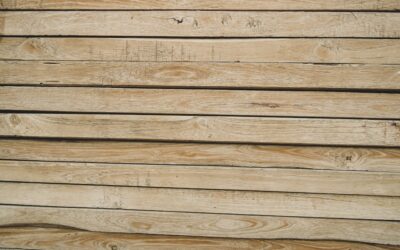
Every traditional hardwood floor has one fatal weakness, which is water. A burst dishwasher hose or an overturned pet bowl can warp solid oak planks in less than 48 hours. Waterproof wooden flooring solves that problem by pairing genuine wood aesthetics with sealed core technology, and the category has exploded over the past five years. If you have kids, pets, a basement, or simply a clumsy coffee habit, this guide will help you understand what you are actually buying.
- What Makes a Wood Floor Truly Waterproof
- Engineered Hardwood vs Hybrid vs Wood-Look LVP
- Best Rooms for Waterproof Plank Installation
- Pros of Choosing a Waterproof Wood Product
- Cons and Honest Limitations
- Installation Costs and Timeline
- How to Compare Warranties and Wear Layers
- Maintenance That Keeps the Warranty Valid
- Subfloor Prep That Protects Your Investment
- Is Waterproof Wooden Flooring Worth the Price
What Makes a Wood Floor Truly Waterproof
The word waterproof gets thrown around loosely in the flooring aisle. A genuinely waterproof plank uses a sealed stone-plastic composite core, a rigid WPC core, or a 100 percent synthetic base topped with a printed or real wood veneer. The edges click together with micro-bevel locking that blocks surface spills from reaching the subfloor for 24 to 72 hours.
True waterproof products carry a written warranty against topical water damage, usually between 20 years and lifetime for residential use. Water-resistant engineered wood, by contrast, only promises protection against splashes for a few hours.
Engineered Hardwood vs Hybrid vs Wood-Look LVP
Three main product categories compete for your budget. Engineered hardwood with a waterproof topcoat, such as AquaGuard from Floor and Decor, runs $4 to $7 per square foot. You get real sawn wood on top, usually a 2 to 4 mm veneer, over a plywood base.
Hybrid planks, sometimes marketed as rigid core hardwood, sandwich a thin real wood layer over an SPC core. Expect to pay $5 to $9 per square foot for brands like COREtec Woods or Shaw Floorte Exquisite.
Wood-look luxury vinyl plank mimics grain through a printed film. It costs just $2 to $5 per square foot, though purists will always spot the repeating pattern.
Best Rooms for Waterproof Plank Installation
Basements top the list. Below-grade slabs regularly hit 80 percent relative humidity in summer, and traditional solid hardwood is simply not rated for that environment. Kitchens, laundry rooms, mudrooms, and half baths are the next best candidates.
Full bathrooms with showers are still a judgment call. Most manufacturers permit installation but require silicone sealant at the tub and toilet flange, plus a 1/4 inch perimeter expansion gap covered by quarter round.
Pros of Choosing a Waterproof Wood Product
- Spill protection for 24 to 72 hours with no swelling or cupping
- Compatible with radiant heat up to 85 degrees Fahrenheit subfloor temperature
- Floating click-lock installation eliminates nailing and reduces labor by roughly 30 percent
- Pet urine warranty on many premium lines, which traditional hardwood never offers
- Real wood visuals on hybrid and engineered options, not just printed vinyl
Cons and Honest Limitations
Waterproof does not mean flood-proof. If standing water sits on a seam for more than three days, it can still creep through and damage the subfloor beneath. Dents are another issue. Softer species like hickory veneer show dog nail marks almost as easily as solid hardwood.
Refinishing is generally off the table. Engineered waterproof planks have such a thin wear layer that sanding is not permitted. When the surface wears out in 15 to 25 years, you replace rather than refinish.
Installation Costs and Timeline
Professional installation adds $2 to $4 per square foot on top of material costs. A 400 square foot living room typically takes a two-person crew six to eight hours, including underlayment and transitions. DIY is realistic for click-lock products if you own a miter saw and a tapping block.
Budget another $150 to $400 for underlayment, $40 for a pull bar and spacer kit, and roughly $1.50 per linear foot for matching quarter round or shoe molding.
How to Compare Warranties and Wear Layers
Look at three numbers on the spec sheet. Wear layer thickness should be at least 12 mil for residential and 20 mil for light commercial. Overall plank thickness should hit 6 mm minimum, with 8 mm preferred for sound dampening. And commercial warranty coverage, even if you are installing in a house, signals a more durable product.
Certifications matter too. FloorScore and GreenGuard Gold confirm low VOC emissions, which is critical in bedrooms and nurseries where offgassing can linger for weeks after install.
Maintenance That Keeps the Warranty Valid
Sweep or dry-mop two or three times a week with a microfiber pad. Damp mop with a pH-neutral cleaner such as Bona Pro Series or Bruce Hardwood and Laminate Cleaner once every two weeks. Skip steam mops entirely. The heat can soften click-lock joints and voids most warranties immediately.
Felt pads under every chair and table leg prevent the tiny dent-and-scratch pattern that ages a waterproof wood floor prematurely. Replace them every 12 months because they collect grit that acts like sandpaper.
Subfloor Prep That Protects Your Investment
Any plank is only as stable as the subfloor beneath it. Concrete slabs must test below 4 pounds per 1,000 square feet per 24 hours on a calcium chloride moisture test. Wood subfloors should sit at 12 percent moisture content or lower, measured with a pin meter. Flatness matters too, with most manufacturers specifying 3/16 inch variation across 10 feet maximum.
Install a 6 mil polyethylene moisture barrier over concrete before any underlayment. Skip this step in a humid basement and vapor will push through the seams, causing a musty smell under the floor even though the planks themselves stay dry.
Is Waterproof Wooden Flooring Worth the Price
For households with pets, kids, or moisture-prone rooms, the premium over standard laminate is almost always justified. You get the look of real hardwood, peace of mind during a plumbing mishap, and resale appeal that wood-look vinyl cannot quite match. Compare at least three samples in your own lighting before committing, and always order 10 percent extra for cuts, waste, and future repairs.
Prefer to explore on your own?
See how new flooring looks in your actual room in seconds — free, no signup.
Try the free Floor Studio →