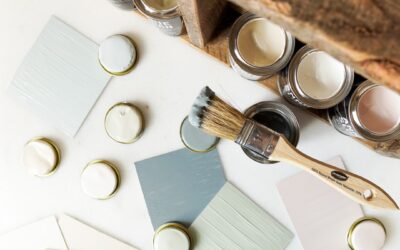
Before latex and oil-based paints existed, American colonists painted their furniture, walls, and barns with a simple mixture of milk protein, lime, and earth pigments. That formula is milk paint, and it has made a major comeback among furniture restorers, DIY enthusiasts, and homeowners who want a natural, non-toxic finish with genuine character. Understanding what is milk paint and how it differs from modern alternatives helps you decide whether it is the right choice for your next project.
Part of our Paint & Walls guide — explore the full guide →
Milk Paint Composition
Traditional milk paint contains just three to five ingredients: casein (milk protein), limestone (calcium carbonate), clay, and natural pigments. That simplicity is the entire point. There are no VOCs, no petrochemicals, and no synthetic additives. The paint is biodegradable, compostable, and safe enough that some manufacturers market it as food-safe once cured.
Most milk paint sold today comes as a powder that you mix with water just before use. Brands like General Finishes, Old Fashioned Milk Paint Company, and Miss Mustard Seed’s Milk Paint are the most widely available. Pre-mixed liquid milk paint also exists but contains additional preservatives to extend shelf life, which somewhat defeats the all-natural appeal.
How Milk Paint Differs From Chalk Paint and Latex
These three paints get confused constantly, but they produce very different results.
- Milk paint bonds to the surface through a chemical reaction between casein and lime. It creates an ultra-matte, slightly translucent finish that lets wood grain show through. It naturally chips and wears over time, creating an authentic aged look.
- Chalk paint (like Annie Sloan) sits on top of the surface and creates an opaque, velvety matte finish. It does not chip naturally — it peels if it fails. It requires wax or polyurethane as a topcoat. Much more expensive per quart.
- Latex paint creates a uniform, opaque film. It is the most durable and easiest to clean but produces a modern, plastic-like finish that lacks the depth and character of milk paint.
If you want a perfectly smooth, uniform color, milk paint is not the right choice. Its beauty lies in the subtle variations, natural aging, and organic texture it creates.
Best Uses for Milk Paint
Milk paint excels on raw, porous surfaces where it can penetrate and bond directly to the material. Here are its strongest applications.
- Furniture refinishing: Dressers, tables, chairs, and cabinets are the most common milk paint projects. The chippy, distressed look it naturally creates is perfect for farmhouse and cottage styles.
- Kitchen cabinets: Milk paint with a bonding agent and clear topcoat produces a durable, beautiful cabinet finish. Expect to apply 2-3 coats.
- Interior walls: Creates a soft, chalky texture similar to lime wash. Works best on plaster and drywall. Not ideal for high-moisture rooms like bathrooms.
- Children’s furniture: The non-toxic formula makes it the safest paint option for cribs, toy chests, and play tables.
- Exterior use: Historic buildings and barns have used milk paint for centuries. It weathers gracefully but is not as weather-resistant as modern exterior paints.
How to Mix and Apply Milk Paint
Working with powder milk paint has a short learning curve, but the process is straightforward once you understand a few principles.
Mixing
- Combine equal parts powder and warm water by volume (e.g., 1 cup powder to 1 cup water).
- Stir thoroughly until smooth. Let the mixture sit for 10-15 minutes, then stir again. Small lumps are normal — strain through a paint strainer or old pantyhose if they bother you.
- The consistency should resemble heavy cream. Add water a tablespoon at a time if it is too thick.
- Mixed milk paint has a working life of about 24-48 hours before the casein begins to spoil. Mix only what you need for the session.
Surface Preparation
On raw wood, simply sand with 150-grit sandpaper and wipe with a tack cloth. Milk paint bonds exceptionally well to bare wood without primer. On previously finished surfaces (varnished, painted, lacquered), add a bonding agent to the mix — most milk paint brands sell one. Without the bonding agent, milk paint will chip off finished surfaces within days.
Application
Apply with a brush or spray gun. Brushes create visible texture that adds to the handmade character. The first coat will look uneven and streaky — this is completely normal. Milk paint builds coverage with layers. Two coats provide a translucent, wash-like effect. Three coats create fuller coverage while still allowing wood grain variation to show.
Sand lightly with 320-grit between coats for a smoother finish. Skip sanding between coats if you want maximum texture and a more rustic appearance.
Sealing and Protecting Milk Paint
Raw milk paint is porous and will stain easily. A topcoat is essential for any surface that sees regular use.
- Hemp oil or tung oil: Natural, food-safe options that darken the color slightly and add a subtle sheen. Apply 1-2 coats with a rag. Best for low-traffic furniture.
- Paste wax: Creates a soft, hand-rubbed sheen. Needs reapplication every 6-12 months. Not suitable for high-use surfaces like kitchen tables.
- Water-based polyurethane: The most durable option for tabletops, cabinets, and high-traffic surfaces. Apply 2-3 coats. Does not yellow like oil-based poly.
- No sealer: Acceptable for decorative pieces, wall applications, and items that will not be touched or cleaned regularly.
Troubleshooting Common Milk Paint Problems
Understanding what is milk paint behavior versus a mistake saves frustration. The paint naturally chips on finished surfaces — this is a feature if you want distressed charm, a problem if you want a smooth finish. Add bonding agent and apply thinner coats to reduce unwanted chipping.
Blotchy first coats are normal and will even out with additional coats. If the paint feels gritty after drying, you needed to stir longer during mixing or strain the paint. Milk paint that smells sour has spoiled — discard it and mix a fresh batch. Store unused powder in a sealed container in a cool, dry place, and it will last years.
Cost Comparison
Powder milk paint costs $13-$18 per pint of powder, which mixes to roughly a quart of paint and covers 30-70 sq ft depending on the surface and number of coats. Chalk paint runs $35-$40 per quart. Quality latex runs $30-$60 per gallon (equivalent to $8-$15 per quart). Milk paint falls in the middle on cost but the coverage per dollar is competitive with chalk paint and close to premium latex for small projects like furniture.