Strip a beat-up oak dresser, brush on a chalky-looking blue, and watch the finish chip slightly along corners and edges as it dries. That intentional rusticity is exactly what makes milk paint furniture impossible to fake with chalk paint or latex. Milk paint is a 2,000-year-old formula, made from milk protein (casein), lime, and natural pigments, and it bonds with raw wood in a way no modern acrylic can match. The learning curve is short once you understand that this paint behaves more like a stain than a coating.
Part of our Paint & Walls guide — explore the full guide →
What Milk Paint Actually Is
Authentic milk paint sold today comes as a powder that you mix with water before each project. The casein and lime react with the moisture in the wood and create a chemical bond, not just a surface film. That is why properly prepped raw wood holds milk paint forever, while sealed or previously painted surfaces can shed it.
The two reliable brand names are Real Milk Paint Co. and Miss Mustard Seed Milk Paint, both of which sell the genuine powder formula. Avoid pre-mixed “milk paint” in cans, which are mostly latex with marketing language tacked on.
Choosing the Right Piece for Milk Paint
Not every dresser is a good candidate. Milk paint thrives on raw or unfinished wood. Modern factory furniture with thick polyurethane and sealed laminates fights the bonding chemistry. The best candidates:
- Antique pine, oak, or maple with a worn finish or bare wood
- Unfinished new furniture from places like Real Wood Furniture or IKEA’s Ivar line
- Pieces with light staining and oil finishes that have weathered down
- Outdoor garden furniture where some chipping is part of the charm
Sealed surfaces still work if you add a bonding agent (sold as Extra Bond or Ultra Bond by major milk paint brands) at a 1:1 ratio with the powder. Without it, the paint can lift in sheets.
Mixing Milk Paint
The ratio for most projects is 1 part powder to 1 part warm water, mixed in a glass jar or plastic container with a tight lid. Shake hard for 60 seconds, let it sit for 5 minutes to let the casein hydrate, then shake again. The consistency should be like cream, not like paint.
- Measure powder and water by volume into the jar
- Cap and shake vigorously for 1 minute
- Rest for 5 minutes
- Re-shake or whisk lightly to break up any chunks
- Strain through a fine mesh strainer or paint filter if lumps remain
Mixed milk paint has a working life of about 24 hours refrigerated, after which the casein begins to spoil and you will smell it. Mix only what you will use that day.
Surface Prep
For raw wood, a light scuff with 220-grit sandpaper is all you need. Wipe down with a tack cloth or a damp microfiber to remove dust, then let the surface dry fully before painting.
For previously finished pieces, you have two paths. Strip and sand back to bare wood for the most authentic chipping pattern, or apply Extra Bond mixed into the first coat for full adhesion on top of an existing finish. The bonded approach gives you a smoother, less chippy result, which some homeowners prefer.
Application Technique
Milk paint goes on thin and looks blotchy in the first coat. This is normal. Resist the urge to load the brush heavier. Apply two to three thin coats, allowing 30 to 45 minutes between each. A natural-bristle brush or a 2-inch synthetic blend works well; foam brushes can leave streaks.
The first coat will look transparent and uneven over wood. The second coat evens it out. The third coat builds saturation if you want full opacity. For an authentically aged piece with show-through wood grain, two coats is often enough.
Distressing and the Chipping Effect
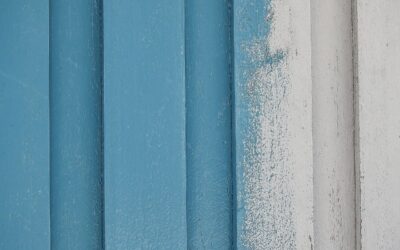
One of the signature looks of milk paint furniture is natural chipping that happens spontaneously where moisture, oils, or old finish prevent perfect adhesion. To encourage controlled chipping, apply hemp oil or beeswax to the corners and high-wear edges before painting. The paint will not bond as well in those spots and will flake naturally as it cures.
For more aggressive distressing, sand selectively with 100-grit sandpaper after the paint has cured for 24 hours. Focus on edges, raised panels, and areas that would naturally see hand contact.
Sealing the Finish
Milk paint without a topcoat feels dusty and can rub off on clothing. Choose a sealer based on the look you want:
- Hemp oil: deepens color, brings out wood grain through the paint, fully natural
- Furniture wax (Miss Mustard Seed Wax, Briwax): matte finish, easy to maintain, soft sheen
- Tung oil or Polyvine wax-finish varnish: more durable for tabletops and high-traffic surfaces
- Water-based polyurethane: highest durability for kitchen tables and kids’ furniture, but loses some of the chalky character
Apply the sealer with a lint-free cloth in thin coats, buffing between layers. Two coats is plenty for decorative pieces, three for surfaces that get daily wear.
Color Choices
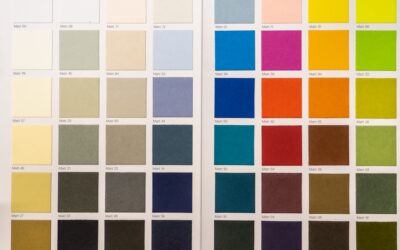
Milk paint colors lean dusty and muted, which is part of why the finish feels old-world rather than modern. Popular Miss Mustard Seed shades include Shutter Gray, Linen, Boxwood, and Marzipan. Real Milk Paint offers Snow White, Pitch Black, Soldier Blue, and Driftwood. Pigments come from natural earth tones, so do not expect neon or saturated jewel tones.
Final Tips
Test your mix on a hidden area before committing to the whole piece, because every wood species reacts slightly differently. Keep a damp rag handy for drips, since milk paint cleans up easily while wet but is harder to remove once cured. With proper prep and a measured pace, a refinished dresser or farmhouse table will outlast every chalk-paint trend that comes along.