If you have traveled abroad or shopped for bathroom fixtures lately, you have probably wondered whats a bidet and whether you need one. In short, a bidet is a plumbing fixture that uses a stream of water to clean you after using the toilet. This guide explains the types, benefits, costs, and how to use one.
- The Basic Definition
- The Main Types of Bidets
- How Does a Bidet Work?
- How to Use a Bidet
- The Benefits of Using a Bidet
- How Much Does a Bidet Cost?
- Installation Basics
- Electric vs. Non-Electric
- Common Myths
- Is a Bidet Right for You?
- Water Temperature Options
- Nozzle Design and Hygiene
- Bidet Features Worth Paying For
- Bidet vs. Toilet Paper: Environmental Impact
- Common Bidet Mistakes and Misconceptions
- Standalone Bidets and Bathroom Space
- Frequently Asked Questions
- The Bottom Line
The Basic Definition
A bidet is a bathroom fixture designed to wash the genital and anal area with water. Instead of relying solely on toilet paper, a bidet sprays a controlled stream of clean water for a more thorough, gentle clean. Bidets are standard in much of Europe, Asia, and South America, and they have grown rapidly in popularity in the United States.
The Main Types of Bidets
Bidets come in several forms to suit different bathrooms and budgets:
- Standalone bidet: A separate ceramic fixture next to the toilet, common in Europe.
- Bidet attachment: A thin unit that mounts under your existing toilet seat with a spray nozzle and control knob.
- Bidet seat: A replacement toilet seat with built-in spray, often electric with heated water and dryer.
- Handheld sprayer: A wand connected to the water supply, mounted beside the toilet.
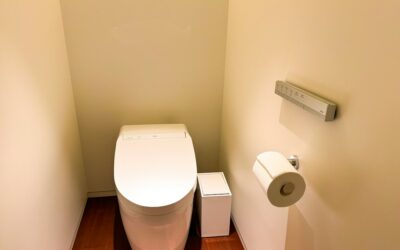
- Built-in smart toilet: An integrated toilet-and-bidet combination.
How Does a Bidet Work?
Most modern bidets connect to your bathroom’s existing water supply, typically tapping into the line that feeds the toilet tank. When activated by a knob, lever, or electronic control, a nozzle releases a stream of water aimed at the area to be cleaned. Non-electric models use ambient-temperature water, while electric models can warm the water and offer adjustable pressure, position, and even a warm-air dryer.
How to Use a Bidet
Using a bidet is simple once you know the steps:
- Use the toilet as normal.
- For an attachment or seat, stay seated; for a standalone, straddle or sit facing either direction.
- Turn on or activate the spray, starting with low pressure.
- Adjust pressure and nozzle position until comfortable.
- Let the water clean for 20 to 60 seconds.
- Pat dry with a small amount of toilet paper or a dedicated towel, or use the dryer on electric models.
The Benefits of Using a Bidet
Bidets offer several practical advantages:
- Better hygiene: Water cleans more thoroughly than paper alone.
- Gentler on skin: Helpful for sensitive skin, hemorrhoids, or after childbirth.
- Less toilet paper: Households often cut paper use by 50% to 75%.
- Eco-friendly: Reduced paper waste, though it does use water.
- Accessibility: Easier for people with limited mobility or dexterity.
How Much Does a Bidet Cost?
There is a bidet for nearly every budget:
- Non-electric attachment: $30 to $80
- Handheld sprayer: $30 to $60
- Electric bidet seat: $200 to $700+
- Standalone ceramic bidet: $250 to $600 plus plumbing installation
- Integrated smart toilet: $1,000 to $4,000+
Installation Basics
Attachments and non-electric seats are the easiest to install, usually a 20 to 30 minute DIY job requiring only a wrench, a T-valve, and the existing toilet water supply. Electric models also need a nearby GFCI-protected electrical outlet, which may require an electrician if none exists. Standalone bidets require dedicated plumbing and drainage and should be installed by a professional.
Electric vs. Non-Electric
Non-electric bidets are affordable, simple, and reliable, using room-temperature water and manual controls. Electric bidets add comfort features like heated water, a warmed seat, adjustable spray patterns, a warm-air dryer, and remote controls. If you have a nearby outlet and want maximum comfort, electric is worth it; if you want a quick, cheap upgrade, a non-electric attachment does the core job well.
Common Myths
Some hesitation around bidets comes from misconceptions. A bidet does not replace the need for occasional light drying, but it dramatically reduces paper use. It does not spray dirty water; it uses the same clean supply that feeds your sink and toilet. And modern nozzles are typically self-cleaning, retracting behind a guard when not in use for hygiene.
Is a Bidet Right for You?
A bidet suits almost anyone looking for better hygiene, reduced paper use, or gentler cleaning. It is especially valuable for those with mobility issues, sensitive skin, or specific medical needs. The low cost of an attachment makes it easy to try before committing to a pricier electric seat or standalone fixture.
Water Temperature Options
Comfort often comes down to water temperature. Non-electric bidets use whatever temperature the supply line delivers, which in winter can be uncomfortably cold, especially on a line fed only from the cold toilet supply. Dual-temperature non-electric models add a hose to the sink’s hot water line so you can mix warm water via a dial. Electric bidet seats go further, using an internal heater to deliver instantly warm water at a set temperature, plus a heated seat. If cold water is a dealbreaker for you, prioritize a dual-temperature or electric model.
Nozzle Design and Hygiene
A common concern for newcomers is nozzle cleanliness. Modern bidets address this in several ways: the nozzle typically retracts behind a guard when not in use, keeping it out of the spray zone. Many electric models include a self-cleaning cycle that rinses the nozzle before and after each use, and some use antimicrobial materials. Higher-end seats offer separate nozzles or nozzle positions for front and rear washing. The water itself comes from the same clean supply that feeds your sink, so it is potable-grade water, not recycled bowl water.
Bidet Features Worth Paying For
If you move up to an electric seat, several features justify the added cost:
- Warm-air dryer: Reduces or eliminates the need for toilet paper.
- Heated seat: A welcome comfort in cold bathrooms.
- Adjustable pressure and position: Tailors the wash to your preference.
- Oscillating and pulsing sprays: Wider or massaging cleaning patterns.
- Deodorizer and night light: Small touches that improve everyday use.
Bidet vs. Toilet Paper: Environmental Impact
Toilet paper production consumes significant resources; the average American uses dozens of rolls per year, and manufacturing that paper requires trees, water, and energy. A bidet uses a modest amount of water per wash, generally a fraction of what it takes to produce the paper it replaces. Households that adopt a bidet typically cut paper use by 50% to 75%, reducing both waste and ongoing expense. While a bidet does use some water directly, the net environmental footprint is usually lower than heavy toilet-paper reliance.
Common Bidet Mistakes and Misconceptions
- Blasting full pressure immediately: Always start low and increase gradually to stay comfortable.
- Skipping the drying step: Non-electric models still need a quick pat dry with paper or a towel.
- Assuming installation needs a plumber: Attachments and seats install DIY in under 30 minutes.
- Believing bidets are unhygienic: They use clean supply water and self-cleaning nozzles.
- Overlooking outlet needs: Electric seats require a nearby GFCI outlet, so check before buying.
Standalone Bidets and Bathroom Space
The traditional standalone bidet is a separate ceramic fixture that sits beside the toilet, requiring its own water supply and drain. It offers a spacious, dedicated washing experience but demands floor space of roughly the same footprint as a toilet, plus plumbing that most American bathrooms were not built for. Retrofitting one means opening walls or floors for supply and drainage, which is why attachments and bidet seats have become far more popular in the U.S.; they deliver the core function using existing plumbing without a costly remodel or the extra floor space.
Frequently Asked Questions
Newcomers to bidets tend to ask the same practical questions.
Do bidets get you fully clean without paper?
Yes, the water does the cleaning; you only pat dry afterward, or use the warm-air dryer on electric models.
Is the water cold?
On basic models it can be, but dual-temperature and electric versions provide warm water.
Are bidets sanitary?
Very, since they use clean supply water and self-cleaning nozzles that retract when not in use.
Do I need an electrician?
Only for electric seats, which require a nearby GFCI outlet; attachments and non-electric seats need no power.
Will a bidet fit my toilet?
Attachments and seats fit most standard round and elongated bowls; just match the shape.
The Bottom Line
So, whats a bidet? It is a simple, effective fixture that uses water to clean more thoroughly than toilet paper alone, available in forms ranging from a $30 attachment to a luxury smart toilet. With hygiene, comfort, and environmental benefits, a bidet is an easy upgrade that many households find they never want to live without.