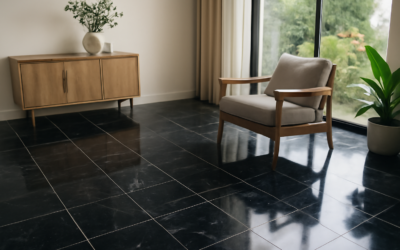
Nothing reads as classic luxury quite like a wall or floor of bright stone. White marble tile has anchored elegant kitchens and bathrooms for centuries, from Carrara underfoot to a Calacatta backsplash that becomes the room’s centerpiece. The catch is that marble is a soft, porous natural stone, so the same veining that makes it gorgeous also makes it vulnerable to etching, staining, and scratches. Know how to choose, seal, and care for it, and white marble rewards you for decades.
Part of our Countertops guide — explore the full guide →
Popular White Marble Types
White marble is not a single product. The name on the box tells you where it was quarried and what the veining looks like, which drives both the price and the look:
- Carrara: Soft gray, feathery veining on a cool white-gray background. The most affordable and widely available, often $5 to $15 per square foot for tile.
- Calacatta: Bolder, thicker gray-to-gold veins on a whiter base. More dramatic and pricier, often $15 to $40 per square foot.
- Statuario: Bright white with crisp gray veining, prized and premium.
- Thassos: Nearly pure white with little to no veining, ideal for a clean modern look.
Finishes matter too. A polished surface is glossy and shows etching more readily, while a honed (matte) finish hides minor wear better and offers more slip resistance, which makes it the smarter pick for floors and shower areas.
Understanding Etching Versus Staining
These two problems get confused, but they are different and call for different prevention. Etching is a chemical reaction. Marble is calcium carbonate, and any acid such as lemon juice, wine, vinegar, tomato, or many household cleaners dissolves the surface and leaves a dull, lighter mark. Sealing does not stop etching, because the acid attacks the stone itself.
Staining is absorption. Oil, coffee, or colored liquids soak into the porous stone and darken it. This is what sealing prevents by filling the pores. So you need both defenses: a good impregnating sealer against stains, and disciplined acid avoidance against etching.
Sealing White Marble Tile
Seal marble before grouting if possible, then again after installation, and re-seal on a schedule. Use a penetrating or impregnating sealer made for natural stone, not a topical coating. Apply it with a clean cloth or foam brush, let it dwell per the label (usually 10 to 15 minutes), then buff off the excess before it dries to a haze.
To test whether existing marble needs sealing, drip a few drops of water on it. If the water beads, the seal is intact. If it darkens the stone within a few minutes, it is time to reseal. Floors and busy counters may need attention every 6 to 12 months; low-traffic walls can go a year or more.
Where White Marble Works Best
White marble shines on backsplashes, accent walls, fireplace surrounds, and shower walls, where it sees less abuse than a floor or counter. On floors, choose a honed finish and accept that high-traffic areas will develop a natural patina over time. Many homeowners love that lived-in look; others find it frustrating.
Be cautious with marble as a kitchen countertop or right around a cooktop, where acidic spills are constant. If you want the marble look in those spots without the upkeep, a Calacatta-pattern quartz or porcelain tile mimics the veining while shrugging off acid and stains. Many porcelain lines now reproduce the veining convincingly at a fraction of the maintenance.
Installation Tips
Marble tile is heavier and more brittle than ceramic, so a few practices keep the job clean:
- Use a white thinset, since gray can shadow through the translucent stone.
- Cut with a wet saw and a fine continuous-rim blade to avoid chipping.
- Back-butter large tiles for full coverage and dry-lay first to balance veining across the wall or floor.
- Choose an unsanded grout in white or light gray; sanded grout can scratch a polished surface.
- Seal before grouting so grout haze does not lodge in the pores.
Lippage shows badly on a glossy marble surface, so leveling clips and a true substrate are worth the extra effort.
Daily Cleaning and Maintenance
Keep it simple and acid-free. Dust mop or sweep marble floors regularly, since grit acts like sandpaper. For routine cleaning, use warm water with a few drops of pH-neutral stone soap, then dry with a soft cloth to avoid water spots. Never reach for vinegar, lemon, bleach, or all-purpose sprays.
Wipe spills immediately, especially anything acidic or oily. For a minor etch on a honed surface, a marble polishing powder can buff out the dull spot; deeper etching on polished marble may need professional refinishing. Place mats under soap dishes, toiletries, and anything that drips, and use coasters and trivets if marble lands anywhere near food prep.
Is White Marble Tile Worth It
If you love the natural depth and one-of-a-kind veining and you are willing to seal it and wipe spills promptly, white marble tile delivers a look engineered surfaces only imitate. If you want zero maintenance and bulletproof acid resistance, a marble-look porcelain or quartz gets you most of the beauty with none of the babysitting. Either way, buy 10 to 15 percent extra for cuts and future repairs, and keep a few spare tiles from the same lot for color matching down the road.
Polished Versus Honed in More Detail
The finish choice shapes both the look and the upkeep more than most buyers expect. Polished marble is mirror-bright and makes veining pop, but every etch and water spot shows clearly against the gloss, and the surface is more slippery when wet. Honed marble has a soft, satin sheen that disguises minor wear and offers better traction, which is why it dominates floors, showers, and busy areas.
There is also a brushed or leathered finish, which adds subtle texture and hides fingerprints and etching even better. If you adore the glossy look but worry about maintenance, consider using polished marble on a vertical accent and honed marble on the floor of the same room, giving you the best of both worlds without exposing the high-shine surface to traffic.
Grout Color and Long-Term Look
Grout choice can make or break a white marble installation. A bright white grout blends seamlessly for a clean, monolithic surface, while a light gray reads as a subtle outline that emphasizes each tile. Avoid dark grout next to white marble, since the pigment can migrate into the porous edges and stain the stone permanently.
Over the years, even well-cared-for marble develops a gentle patina, especially on floors and counters. Many homeowners come to value that aged character, which engineered stone never acquires. If a uniform, factory-fresh appearance matters more to you than natural evolution, that preference alone may point you toward a marble-look porcelain instead of the real thing.
Prefer to explore on your own?
See how new flooring looks in your actual room in seconds — free, no signup.
Try the free Floor Studio →