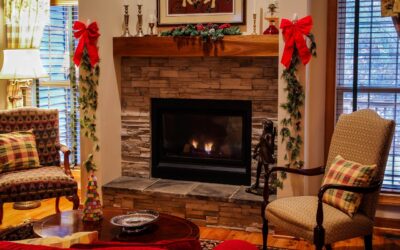
Nothing anchors a living room quite like a well-chosen shelf above the hearth. A wood fireplace mantel brings warmth, character, and a natural focal point that stone or plain drywall around a firebox simply cannot match on its own. Whether you want a chunky reclaimed beam, a clean floating shelf, or a full surround, choosing the right wood fireplace mantel means balancing style with the clearance rules that keep combustible wood a safe distance from the fire. This guide walks through the styles, wood choices, sizing, and the safety clearances you must respect before mounting anything above a firebox.
Mantel Styles That Suit Different Rooms
Wood mantels fall into a few broad families. A mantel shelf is a single horizontal board or box that mounts to the wall above the firebox, the simplest and most versatile option. A rustic beam mantel is a solid or hollow timber, often reclaimed or distressed, that reads warm and casual and suits farmhouse and cabin looks. A full surround, sometimes called a mantelpiece, wraps the firebox with legs on either side and a shelf across the top, giving a formal, furniture-like presence.
Match the style to the room. A heavy reclaimed beam grounds a room with exposed brick or shiplap, while a painted surround with clean molding suits traditional and transitional spaces. A slim floating shelf keeps a modern room uncluttered. The mantel should relate to the scale of the wall and the firebox, not fight it, so a small firebox on a large wall may want a full surround to fill the space visually.
Choosing the Wood
The species you pick affects both looks and cost. Oak is hard, durable, and takes stain beautifully, making it a common choice for both beams and shelves. Reclaimed barn wood and old timbers bring genuine age, nail holes, and patina that new wood cannot fake, though they cost more and vary piece to piece. Pine and poplar are affordable and paint well, so they suit a painted surround where the grain will not show.
Solid timber gives the most authentic heft but is heavy and can check or crack as it dries. Many rustic mantels are actually hollow boxes built from thinner boards to mimic a solid beam at a fraction of the weight, which also makes mounting easier and reduces cracking. Decide whether you want to stain and show the grain or paint the piece, since that choice steers you toward a show-grade or paint-grade wood.
Clearance and Fire Safety
This is the part you cannot skip. Wood is combustible, and codes plus manufacturer instructions dictate how far a wood mantel must sit from the firebox opening. For many masonry fireplaces, code has historically required combustible trim like a mantel to be held back a minimum distance from the firebox opening, with a larger clearance for a shelf that projects out over the opening. The exact required clearances depend on whether you have a masonry or a manufactured firebox, how far the mantel projects, and your local code.
For a factory-built or gas insert, the appliance manufacturer’s listed clearances override general rules and must be followed exactly, since the appliance was tested with specific mantel clearances. Because getting this wrong is a genuine fire hazard, confirm the required clearances with your fireplace manufacturer’s instructions and your local building department before mounting anything. When in doubt, have a licensed installer or your local inspector verify the clearance. A deeper mantel shelf generally requires more vertical clearance above the opening.
Sizing and Proportion
A well-proportioned mantel looks intentional; a poorly sized one looks like an afterthought. As a starting point, many designers make the mantel shelf a few inches wider than the firebox or stone surround on each side so it visually caps the opening. Standard mantel height places the top surface roughly 54 to 60 inches above the floor, though this varies with ceiling height and the firebox position. A taller ceiling can carry a higher mantel.
Depth, or how far the shelf projects from the wall, typically runs 5 to 8 inches, enough to hold decor without crowding the room, and it interacts with the clearance rules above. If you plan to hang a television over the mantel or display tall art, factor that height in when you set the mantel elevation so the arrangement stacks comfortably below the ceiling.
Mounting the Mantel Securely
A mantel, especially a solid beam, is heavy and must be anchored to structure, not just drywall. On a framed wall, mount a cleat or hidden bracket into the studs, then slide the hollow mantel over the cleat and fasten it. On a masonry or stone surround, the mantel attaches with rods or lag anchors set into the masonry with the correct masonry anchors, which calls for a hammer drill and the right bit. Floating shelf mantels use concealed steel rods drilled into studs or masonry so no bracket shows.
Whatever the method, the mounting must carry the mantel’s full weight plus anything you set on it, and it must hold that load for years. Check that the mantel is level before final fastening; an out-of-level mantel over a symmetrical firebox is glaringly obvious. If you are mounting a heavy solid beam or drilling into a masonry surround for the first time, this is a reasonable point to bring in a carpenter, both for a clean result and to be sure the anchoring is sound.
Cost and Finishing
Prices vary with material and construction. A simple pine or poplar shelf runs $75 to $200, a quality oak or hardwood mantel $200 to $600, and a genuine reclaimed beam or a custom-built surround $500 to $1,500 or more. Installation adds $100 to $400 if you hire it out, and masonry mounting sits at the higher end because of the drilling and anchoring involved.
Finish the wood to protect it from the warmth and occasional soot near a hearth. A penetrating stain plus a durable topcoat protects the grain while letting it show, and a quality paint holds up on a paint-grade surround. Keep flammable decorations and greenery a safe distance from the firebox, and never hang stockings or garland in a way that lets them dangle toward the flames. Chosen and mounted correctly, a wood mantel turns a plain firebox into the heart of the room and lasts for decades.
Reclaimed Beams Versus New Wood
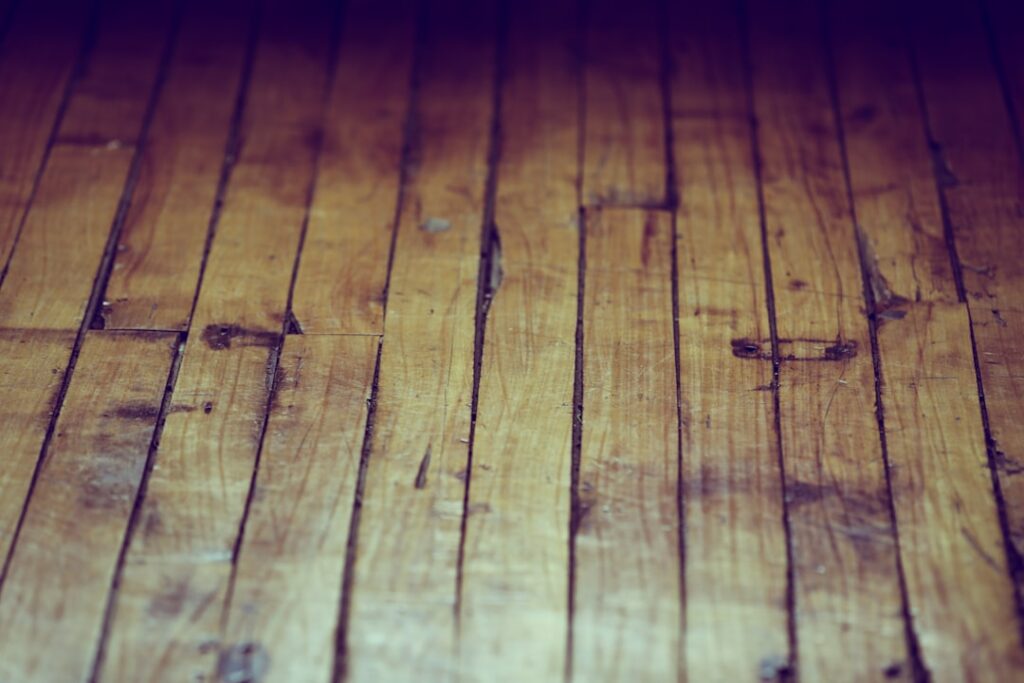
The debate between reclaimed and new wood comes up on nearly every mantel project. A genuine reclaimed beam, salvaged from an old barn, factory, or timber-frame building, brings character that new wood cannot replicate: saw marks from a bygone mill, nail and bolt holes, natural checking, and a deep, earned patina. Because each piece is unique and supply is limited, reclaimed timber costs more and requires careful vetting. Have salvaged wood inspected and treated for insects before it comes indoors, and make sure it is fully dry, since a green or damp beam can crack, twist, or seep as it acclimates to your heated home.
New wood offers consistency and easier sourcing. A solid new oak or hickory beam can be stained and distressed to mimic age, and a built-up box mantel made from new lumber gives you the beam look with less weight and a much lower chance of cracking. If you want the authentic story of a reclaimed timber and are willing to pay for it and vet it, salvaged wood is unbeatable. If you want a predictable, budget-friendly result you can finish exactly to your color, new wood, distressed as desired, is the pragmatic choice. Many rustic looks that read as reclaimed are in fact carefully finished new wood.
Styling the Mantel Without Creating a Hazard
Once the mantel is up, how you decorate it affects both looks and safety. A common arrangement anchors the display with a mirror, framed art, or a television centered above, then layers in candlesticks, greenery, or small objects in varied heights along the shelf. Keep the composition slightly asymmetrical for a natural feel, and leave breathing room rather than crowding every inch. Seasonal decor, from garland at the holidays to a simple vase in summer, lets the mantel evolve without any construction.
Safety has to govern the styling near an active fireplace. Combustible decorations, dried greenery, ribbon, and stockings should never dangle down toward the firebox opening or sit where radiant heat can build up, and battery-operated candles are a smarter choice than real flames on a crowded mantel. If you display a television above a wood-burning fireplace, confirm the heat and clearances keep the electronics within a safe temperature, since a hot flue and rising heat can shorten a screen’s life. Decorate generously but keep the zone directly above and beside the firebox opening clear, and your mantel will be both a showpiece and a safe one for years of fires.