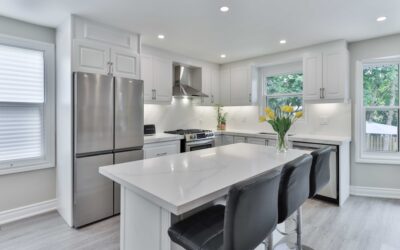
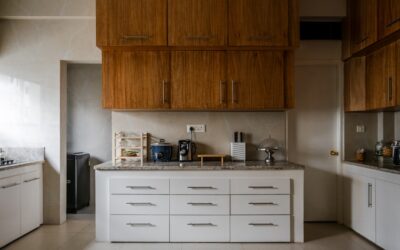
Cabinets set the tone for the entire kitchen, and nothing brings warmth and lasting value quite like real wood. Thoughtful wood kitchen cabinet design is a balance of three decisions: the wood species, the door style, and the finish. Get that trio in harmony and you end up with cabinets that feel timeless and hold up for decades. Miss on one and even expensive cabinets can look dated or wear poorly. This guide walks through each choice so you can plan with confidence.
Part of our Kitchen Remodeling guide — explore the full guide →
Why Real Wood Still Wins
Solid wood and wood-veneer cabinets offer something laminate and thermofoil can’t fully replicate: natural grain, the ability to be refinished, and a warmth that reads as quality. A well-built wood cabinet can be sanded and restained years later to refresh the whole kitchen, whereas a damaged laminate front has to be replaced. That repairability is a genuine long-term advantage, and it’s why wood remains the default for kitchens meant to last.
Wood does move with humidity and costs more than manufactured alternatives, so it demands a stable, climate-controlled kitchen and a bigger budget. For most homeowners, the payoff in appearance and longevity justifies both.
Choosing a Wood Species
The species drives both the look and the price, and each has a distinct personality.
- Oak: Strong, affordable, with a bold open grain. Red and white oak are making a comeback in modern kitchens
- Maple: Smooth, fine grain that takes paint and stain evenly. A versatile mid-range favorite
- Cherry: Rich reddish tone that deepens with age. Elegant and warm, at a higher price
- Hickory: Dramatic grain variation and exceptional hardness for rustic and farmhouse looks
- Walnut: Deep chocolate tones and premium appeal, the top of the price range
- Birch: A budget-friendly smooth-grain option that mimics maple
Matching Wood to Style
Species and style should reinforce each other. Reach for oak or hickory when you want visible, characterful grain in a rustic or transitional kitchen. Choose maple or birch when you plan to paint, since their tight grain gives a smooth, uniform finish. Save cherry and walnut for a refined, traditional, or high-end contemporary look where the wood itself is the star and you’ll finish it clear to show off the color.
Door Styles That Define the Look
The cabinet door is the most visible design element, and a handful of styles cover most kitchens.
- Shaker: A recessed flat center panel with a clean frame. The most popular and endlessly versatile
- Raised panel: A contoured center panel that reads traditional and formal
- Flat/slab: A single flat surface with no frame, ideal for modern and minimalist kitchens
- Beadboard: Vertical grooves for cottage and farmhouse warmth
- Glass-front: Framed doors with glass inserts to display dishware and break up a wall of solid fronts
Shaker doors earn their popularity honestly. They suit nearly every kitchen style, hide dust in their simple lines, and look as current today as they did a century ago, which makes them the safe long-term choice.
Finishes: Stain, Paint, or Clear
How you finish the wood is as consequential as the wood itself. A clear or natural finish showcases the grain and color, best for premium species like cherry and walnut. A stain adds color while letting grain show through, letting you warm up or darken a lighter wood. Paint delivers a smooth, uniform, color-flexible surface but hides the grain entirely, so it’s often applied over maple or birch rather than a dramatically grained oak.
Two-tone kitchens, with painted perimeter cabinets and a stained wood island, have become a durable trend that adds depth without committing the whole room to one color. It’s an easy way to introduce natural wood in measured doses.
Hardware and Details
Hardware is the jewelry of the kitchen and shifts the whole feel for relatively little money. Matte black or brushed brass pulls modernize traditional wood doors, while simple bar pulls sharpen a slab-front contemporary look. Consider crown molding at the top of upper cabinets for a finished, built-in appearance, and under-cabinet lighting to showcase the wood tones and add task light on the counter.
Layout and Storage Planning
Beautiful doors mean little if the cabinets don’t work. Prioritize deep drawers over door-and-shelf bases for pots and pans, since drawers bring the contents to you. Add a pull-out for trash and recycling, a corner solution like a lazy Susan or a swing-out for the dead corner, and vertical dividers for baking sheets. Plan uppers to the ceiling if you can, using the top row for rarely accessed items, to maximize storage and avoid a dust-catching gap.
Budgeting Your Cabinets
- Stock wood cabinets: $100 to $300 per linear foot, limited sizes and finishes
- Semi-custom: $150 to $650 per linear foot, more species and door choices
- Fully custom: $500 to $1,200-plus per linear foot, any wood, size, and detail
Semi-custom hits the value sweet spot for most kitchens, offering real wood and meaningful style choices without full-custom pricing.
Bringing It Together
Successful wood kitchen cabinet design comes down to coordinating species, door style, and finish so they tell one coherent story, then backing that look with a smart, drawer-heavy layout. Pick a wood that suits your desired grain and finish, lean toward shaker doors for lasting appeal, and choose hardware that carries your style. Do that, and you’ll have cabinets that look built-in, function beautifully, and can be refreshed rather than replaced for years to come.