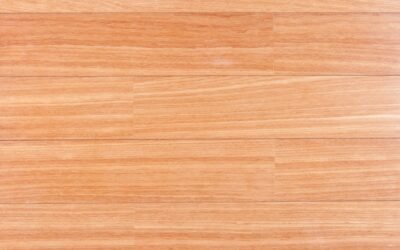
Homeowners keep asking for the same thing: the warm, natural look of a hardwood floor in rooms where real wood would swell, scratch, or rot. Wood looking tile planks are the answer that has quietly taken over kitchens, bathrooms, laundry rooms, and open-plan main floors across the country. These are porcelain or ceramic tiles printed and textured to mimic oak, walnut, hickory, or weathered barnwood, then formatted into long, narrow planks instead of squares. You get a floor that reads as wood from across the room but shrugs off water, pets, and heavy traffic the way only tile can. Here is everything you need to know before you buy.
Part of our Tile & Grout guide — explore the full guide →
What Wood Looking Tile Planks Actually Are
These planks are almost always porcelain, a dense, low-porosity clay tile fired at high temperature. Modern digital inkjet printing lays down a photorealistic wood-grain image, and the surface is often embossed with a subtle texture so it feels slightly like real wood underfoot, not glass-smooth. Because the pattern is printed, manufacturers vary the grain across multiple tile faces so you do not see the same knot repeating every third plank. The result is a floor that fools most guests until they touch it, with none of the maintenance headaches of solid or engineered wood.
Styles and Colors to Consider
The design range is enormous, which is part of the appeal. You can match nearly any decor, from rustic farmhouse to clean contemporary:
- Light and natural oak: pale, airy tones that brighten a room and hide dust, popular in modern and Scandinavian-style homes.
- Warm mid-browns: classic hickory and walnut looks that feel traditional and cozy.
- Gray and greige: weathered, driftwood tones that suit coastal and contemporary spaces.
- Reclaimed and distressed: knots, saw marks, and color variation that mimic salvaged barnwood.
- Dark espresso: dramatic, rich planks that make a bold statement but show dust more readily.
Finishes range from matte to a low satin sheen. Matte and textured surfaces are the most convincing and the least slippery, which matters in wet areas.
Common Plank Sizes
Plank dimensions have grown longer over the years to look more like real wood boards. The most common widths are 6 and 8 inches, with lengths of 24, 36, and 48 inches; some premium lines run up to 60 or 72 inches long for an even more authentic effect. Narrower, shorter planks give a busier, more traditional look, while long, wide planks read as sleek and modern and use fewer grout lines. Longer planks are less forgiving of an uneven subfloor, though, since they can rock or lippage can appear at the ends, so a flat substrate is essential.
What Wood Looking Tile Planks Cost
Pricing is competitive with mid-grade laminate and often cheaper than real hardwood. For materials alone:
- Basic wood-look porcelain: about $2 to $5 per square foot.
- Mid-range and larger-format planks: roughly $5 to $9 per square foot.
- Premium, long-plank, or designer lines: $9 to $15 per square foot.
Professional installation typically adds $6 to $14 per square foot depending on your area and the layout complexity. Plank tile costs more to install than square tile because the long format requires careful leveling and a staggered or offset layout, and many installers limit the offset to one-third rather than a full 50 percent brick pattern to avoid lippage. For a 300-square-foot room, budget materials plus labor accordingly.
Pros and Cons
The upside list is long. Wood looking tile planks are waterproof, making them safe for bathrooms, kitchens, laundry rooms, mudrooms, and basements where real wood cannot go. They are extremely scratch and dent resistant, ideal for homes with big dogs or heavy furniture, and they never need refinishing, sanding, or resealing. They also pair perfectly with in-floor radiant heat, which offsets the one common complaint. The drawbacks: tile is hard and cold underfoot, so it feels less warm than actual wood unless you add radiant heating or rugs. Grout lines interrupt the seamless look of a real plank floor, and installation is more labor-intensive and less DIY-friendly than click-together flooring. Tile can also crack if a heavy object drops on an unsupported spot.
Where to Use Them
This is the flooring you reach for when you want a consistent wood look throughout the house, including the rooms where wood is a bad idea. Kitchens benefit from the waterproof, spill-proof surface. Bathrooms and laundry rooms stay worry-free around standing water. Entryways and mudrooms handle tracked-in snow and grit without a scratch. On an open main floor, running the same wood-look plank from the living room through the kitchen creates a seamless flow that a wood-to-tile transition would break up. Because it works with radiant heat, it is also a smart choice for cold-climate basements and slab-on-grade homes.
Installation Tips
A few details separate a great plank-tile floor from a disappointing one. Start with a dead-flat subfloor, since the long planks magnify any dip or hump into visible lippage. Use a large-format tile mortar and, ideally, tile leveling clips and wedges to keep every plank end flush with its neighbor. Limit your stagger to a one-third offset rather than a 50 percent brick bond, because the slight bow common in long tiles causes the center of one plank to sit proud of the corner of the next in a half-offset pattern. Choose a grout color close to the tile for a seamless look, or a slight contrast if you want the plank definition to show, and keep grout lines tight, often 1/8 to 3/16 inch. Seal cement-based grout after it cures.
Cleaning and Maintenance
This is where the format truly wins. No waxing, no refinishing, no polishing. Sweep or vacuum to lift grit, then damp mop with a neutral pH tile cleaner. The porcelain surface resists stains and moisture, so spills wipe up with no lasting mark. The only real upkeep is the grout, which benefits from periodic sealing and an occasional scrub to stay clean, especially in a lighter color. With minimal effort, a wood-look porcelain floor holds its appearance for decades.
The Bottom Line
Wood looking tile planks give you the beauty of a hardwood floor with the toughness and waterproofing of porcelain, making them ideal for busy households, wet rooms, and open floor plans where you want one continuous look. They cost about the same as quality laminate, never need refinishing, and stand up to pets, kids, and water without complaint. Just plan for a flat subfloor, a careful one-third-offset layout, and the slightly cooler, harder feel of tile, and you will end up with a floor that looks like wood and lasts like stone.
Prefer to explore on your own?
See how new flooring looks in your actual room in seconds — free, no signup.
Try the free Floor Studio →