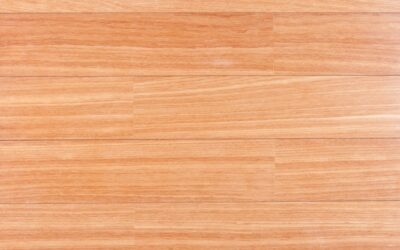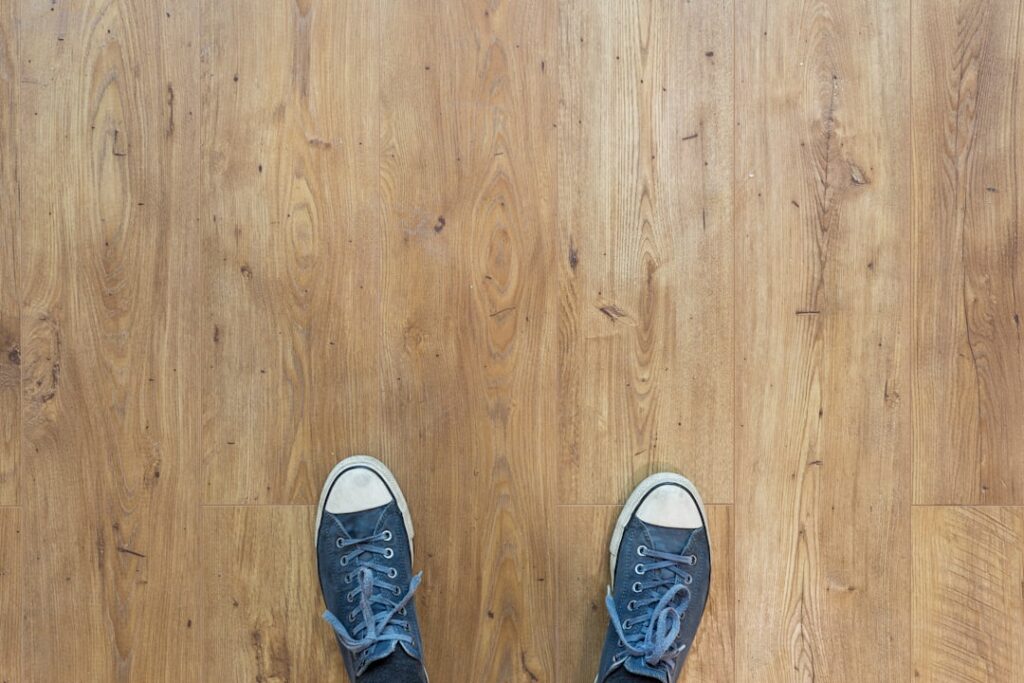
If you love the warmth of hardwood but need a floor that shrugs off water, scratches, and heavy traffic, wood plank tile flooring deserves a serious look. These are porcelain or ceramic tiles manufactured in long, narrow plank shapes, usually 6 to 8 inches wide and 24 to 48 inches long, printed and textured to mimic oak, walnut, hickory, or reclaimed barnwood. From a few feet away, most people cannot tell it is not real wood.
Part of our Tile & Grout guide — explore the full guide →
What you get is the best of both worlds: the visual character of a wood floor with the bulletproof performance of tile. But the material is not perfect for every room or every buyer, and understanding the trade-offs before you commit will help you decide whether it belongs in your home.
What Wood-Look Tile Actually Is
Wood plank tile is fired porcelain or ceramic, not a wood product at all. Advanced inkjet printing technology lays down high-resolution images of real wood grain, then a textured glaze adds the tactile ridges and knots you feel underfoot. Because the pattern is baked into a fired clay body, it will not fade, warp, or rot the way natural wood can.
Porcelain is the more common and more durable choice. It is denser, less porous, and rated for higher traffic than standard ceramic, which makes it suitable for entryways, kitchens, and even covered patios. Ceramic versions cost a little less and work fine in lower-traffic interior rooms where the extra hardness of porcelain is not essential.
The planks come in matte, satin, and lightly textured finishes, and better product lines include multiple face patterns so the grain does not obviously repeat across the floor. Rectified edges, where tiles are precision-ground to a uniform size, let installers set very tight grout lines that reinforce the wood illusion.
Sizing has expanded dramatically in recent years. Where early wood-look tile stuck to a 6-by-24-inch format, you can now buy planks up to 8 or 9 inches wide and 48 to 60 inches long, which read far more like modern wide-plank hardwood. Longer tiles mean fewer grout lines across a room, but they also demand a flatter substrate, so the size you choose has installation consequences beyond looks.
The Big Advantages
Water resistance is the headline benefit. Unlike hardwood or even laminate, porcelain plank tile is essentially waterproof, so it thrives in bathrooms, laundry rooms, mudrooms, and kitchens where a spill or a wet dog would ruin real wood. You can mop it freely and it will never cup or swell.
Durability is the second major draw. Porcelain rates among the hardest flooring materials available, resisting scratches from pet claws, dents from dropped pans, and the grinding grit that dulls softer floors. It does not need refinishing, it will not gouge, and a quality installation can last 50 years or more, far outlasting most hardwood.
Maintenance is refreshingly low. There is no waxing, no refinishing, and no special wood cleaners. Regular sweeping and an occasional damp mop keep it looking new, and the color runs consistent because the pattern is manufactured rather than harvested. It also pairs beautifully with radiant floor heating, which turns tile’s usual coldness into a genuine comfort feature.
Consistency of appearance is a quiet advantage buyers often overlook. Real hardwood arrives with natural variation in color and grain, and boards can look mismatched or fade unevenly over years of sun exposure. Wood plank tile is printed to a controlled palette, so what you see in the showroom is what covers your floor, and UV exposure through a big window will not bleach it the way it does natural wood near a sliding door.
The Drawbacks to Weigh
The honesty check starts with feel. Tile is hard and cold underfoot, and no printed grain changes that. Standing on it for long stretches while cooking is tougher on your feet and back than standing on wood or vinyl, and in a cold climate the floor feels chilly unless you add radiant heat, which raises the project cost.
Installation is more demanding than wood-look alternatives. Long plank tiles are prone to a problem called lippage, where the ends of adjacent planks sit at slightly different heights because of the natural bow in a long tile. Controlling it requires a very flat subfloor, tile leveling clips, and an experienced installer, which pushes labor costs above those of a click-together floor.
Grout is the other compromise. Even with tight lines you will see grout joints, and while modern stain-resistant and matching-color grouts minimize them, they never fully disappear the way a wood floor’s seamless boards do. Grout also needs occasional resealing, and hairline cracks can appear if the substrate flexes.
What It Costs
Material pricing for wood plank tile generally runs $2.00 to $7.00 per square foot, with budget ceramic near the bottom and premium rectified porcelain with realistic texture at the top. Designer and large-format European lines can exceed $8.00 per square foot. For most homeowners, quality porcelain planks land around $3.00 to $5.00 per square foot.
Installation is where tile costs more than floating floors. Professional labor typically adds $4.00 to $10.00 per square foot because of the mortar work, precise leveling, cutting with a wet saw, and grouting. Complex patterns like herringbone, extensive subfloor prep, or adding an uncoupling membrane to prevent cracks all raise that figure.
Adding it up, a professionally installed wood plank tile floor commonly totals $8.00 to $15.00 per square foot. That is more than most LVP or laminate, but you are buying a floor that can genuinely last for decades without replacement, which changes the long-term math in tile’s favor.
Installation Tips That Matter
Substrate flatness is non-negotiable. The floor should vary no more than 1/8 inch over 10 feet before you set a single tile, so plan on self-leveling compound if your slab or subfloor is wavy. Skipping this step is the number one cause of lippage and cracked tiles down the road.
Mind the offset pattern. Because long planks bow slightly in the middle, staggering the joints at a full 50 percent brick pattern maximizes lippage at the high points. Most manufacturers now recommend a one-third or even one-quarter offset instead, which keeps the high center of one plank next to the flatter ends of its neighbors. Use tile leveling spacers throughout to lock heights even.
Choose a grout color close to the tile’s tone for the most seamless wood effect, and use a quality uncoupling membrane over concrete or in-floor heat to absorb movement and prevent cracks. If you are not confident with a wet saw and mortar, this is a project worth hiring out, because the material rewards precision.
Is It Right for Your Home?
Wood plank tile flooring is the smart pick when you want a single, cohesive wood look that flows from a wet bathroom into a busy kitchen and out to a covered porch without changing materials. Homes with pets, kids, radiant heat, or a lot of moisture benefit most, and the near-zero maintenance suits owners who never want to refinish a floor again.
It makes less sense in a cozy bedroom or a home office where softness and warmth underfoot matter more than waterproofing, and where the hardness and grout lines are pure downside. In those rooms, real hardwood or luxury vinyl plank often serves you better for less installed cost.
Weigh your priorities honestly. If durability, water resistance, and a decades-long lifespan top your list and you can accept a firmer, cooler surface and a pricier install, wood plank tile flooring delivers a look that fools the eye and a performance record few floors can match.
One practical strategy many homeowners land on is zoning the material by room rather than choosing a single floor for the whole house. You run wood plank tile through the kitchen, entry, bathrooms, and any pet-heavy areas where its waterproofing and toughness earn their keep, then switch to real hardwood or plush carpet in bedrooms where warmth and softness matter more. Because the tile mimics wood so convincingly, the transition between zones reads as intentional rather than jarring, and you get the right surface working in each part of the home instead of one compromise everywhere.
Prefer to explore on your own?
See how new flooring looks in your actual room in seconds — free, no signup.
Try the free Floor Studio →