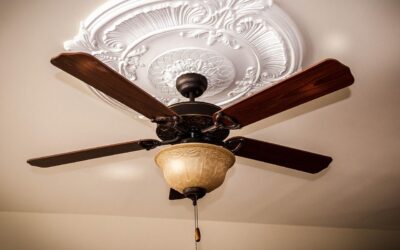
Nothing warms up a room quite like natural wood overhead, and a wooden ceiling fan with light brings that warmth together with the two things you actually need: air movement and illumination. From rich walnut blades in a modern living room to weathered gray planks on a covered porch, wood-bladed fans span nearly every style. But not all “wooden” fans are the same, and choosing well means understanding blade materials, sizing, motor types, and lighting. This guide walks you through everything before you buy.
Real Wood vs. Wood-Look Blades
The first thing to sort out is what “wooden” actually means on the box. There are three common constructions:
- Solid real wood blades: Carved from hardwoods like walnut, oak, or maple, these offer authentic grain and premium looks. They cost more and can be heavier, and in humid or outdoor settings they need to be rated for it.
- Wood veneer or plywood blades: A real wood veneer over an engineered core gives the genuine grain appearance at a lower price and better stability against warping.
- Wood-look composite or ABS blades: Molded plastic printed with a wood grain. The most affordable and the most weather-resistant, ideal for damp and outdoor locations, though the look is less authentic up close.
For an indoor showpiece, solid or veneer wood delivers the richest look. For a bathroom, porch, or patio, a wood-look composite blade rated for damp or wet locations is the smarter, more durable choice.
Getting the Blade Size Right
Fan size, measured by blade span (diameter), should match the room. Too small and it barely moves air; too large and it overwhelms the space. Use these guidelines:
- Up to 75 sq ft (bathroom, small office): 29 to 36 inch span.
- 75 to 175 sq ft (bedroom, kitchen): 42 to 48 inch span.
- 175 to 350 sq ft (living room, large bedroom): 52 to 56 inch span.
- Over 350 sq ft (great room): 60 inch or larger, or two fans.
Ceiling height matters too. Blades should hang at least 7 feet above the floor and ideally 8 to 9 feet for best airflow. For tall or vaulted ceilings, use a downrod to drop the fan into the optimal range; for low ceilings under 8 feet, choose a low-profile “hugger” or flush-mount fan to keep clearance safe.
Lighting Options
The light kit is half the appeal. Modern wooden fans offer several lighting approaches:
- Integrated LED: A built-in LED panel that is energy-efficient, long-lasting, and low-profile. Many are dimmable and let you switch color temperature between warm and cool white.
- Traditional light kit: A separate fixture with replaceable bulbs and a glass or fabric shade, offering a classic look and easy bulb swaps.
- Uplight and downlight combos: Some fans wash the ceiling with an uplight while lighting the room below.
Look for LED fans in the 2700K to 3000K range for a warm, cozy glow that flatters wood tones, and choose dimmable models so you can set the mood. If the fan is your primary room light, check the lumen output to be sure it is bright enough for the space.
Motor Types: DC vs. AC
The motor determines efficiency, noise, and features. AC motors are the traditional, budget-friendly standard, reliable and widely available. DC motors, increasingly common in quality fans, use significantly less energy, run quieter, are lighter, and typically offer more speed settings and smoother reversing. A DC fan costs more up front but saves on electricity and delivers a more refined, whisper-quiet experience. For a bedroom or a fan you run constantly, the DC upgrade is usually worth it.
Style and Room Pairings
Wood-bladed fans suit a remarkable range of decor. Match the finish to your space:
- Rustic and farmhouse: Distressed barnwood or weathered gray blades, often with a cage or lantern light kit.
- Modern and mid-century: Sleek walnut or oak blades on a low-profile body with integrated LED.
- Coastal: Whitewashed or light wood-look blades that stay cool and breezy.
- Traditional: Warm cherry or oak blades with a classic glass-shade light kit.
For outdoor porches and patios, always choose a fan rated for damp (covered) or wet (exposed) locations, with weather-resistant blades and sealed motor housing. An indoor-rated fan will not survive outdoor humidity.
Smart Features Worth Considering
Many wooden ceiling fans now include remote controls, wall controls, and smart-home integration. Features like reversible motors (clockwise in winter to push warm air down, counterclockwise in summer to create a cooling breeze), programmable timers, and app or voice control add real convenience. If you want to control the fan and light separately or set schedules, look for models with a handheld remote or smart connectivity built in, and confirm whether your wiring supports the light and fan on separate switches.
Installation and Mounting Considerations
Before you fall in love with a fan, confirm your ceiling can support it. Ceiling fans require a fan-rated electrical box, one specifically listed to hold the weight and withstand the motion of a spinning fan, not a standard light-fixture box. If you are replacing an existing light with a fan, you may need to swap in a fan-rated box, which sometimes means accessing the space from above or using a special old-work brace. This is a safety-critical detail; a fan falling from an inadequate box is a real hazard.
Choose your mount based on ceiling height and slope. Standard mounts with a downrod suit typical 8-to-9-foot ceilings, longer downrods drop the fan into the ideal range on vaulted or tall ceilings, and flush (hugger) mounts keep low ceilings safe. If your ceiling is sloped, verify the fan includes or accepts an angled mount rated for your ceiling’s pitch. Wiring the fan and light to separate switches, or installing the included remote or wall control, lets you operate them independently. If you are not comfortable working with electrical wiring and heavy overhead fixtures, hiring an electrician for the install is money well spent.
Maintenance and Care for Wood Blades
Wood and wood-look fans stay beautiful with minimal effort. Dust the blades regularly with a microfiber cloth or a dedicated fan-blade duster, since accumulated dust unbalances the blades and dulls the finish. For real wood blades, avoid harsh chemical cleaners and excess moisture, which can damage the finish or warp the wood; a barely damp cloth followed by a dry wipe is plenty. Wood-look composite blades are more forgiving and can handle a damp wipe without worry.
Every so often, check that the blade screws and the downrod connections are snug, as vibration over time can loosen them and cause wobble. If your fan develops a wobble, a simple balancing kit, small weights you clip to the blades, usually solves it. Keep the light kit’s LED or bulbs dust-free for full brightness. With this light routine, a quality wooden ceiling fan runs quietly, stays balanced, and keeps its warm good looks for many years.
Making the Final Choice
To pick the right wooden ceiling fan with light, start by measuring your room and matching the blade span, then confirm your ceiling height points you toward a downrod, standard, or flush mount. Decide whether real wood or wood-look blades fit your setting, prioritizing weather-rated composite for anything damp. Choose an efficient dimmable LED in a warm color temperature, and if quiet operation and energy savings matter, spring for a DC motor. Balance those practical factors with a finish that complements your decor, and you will land on a fan that keeps the room comfortable, well-lit, and beautifully warm in style for years to come.
One value tip: look for fans that carry an ENERGY STAR rating if efficiency matters to you, as they meet airflow-per-watt standards that keep operating costs down. And do not overlook the warranty, quality fans back the motor with a limited lifetime warranty, a strong signal of durability. Registering the product and keeping your receipt protects that coverage. With the right size, mount, lighting, and finish chosen, a wooden ceiling fan becomes a fixture you will enjoy every single day, blending function and natural warmth in a way few other additions can match.