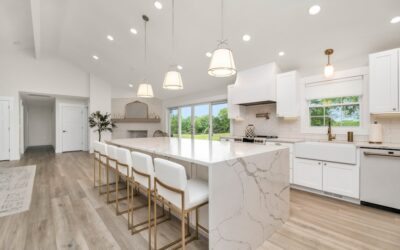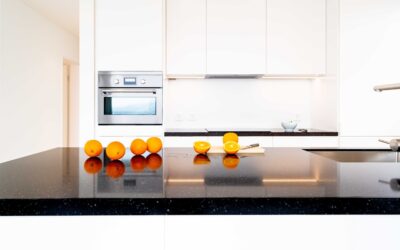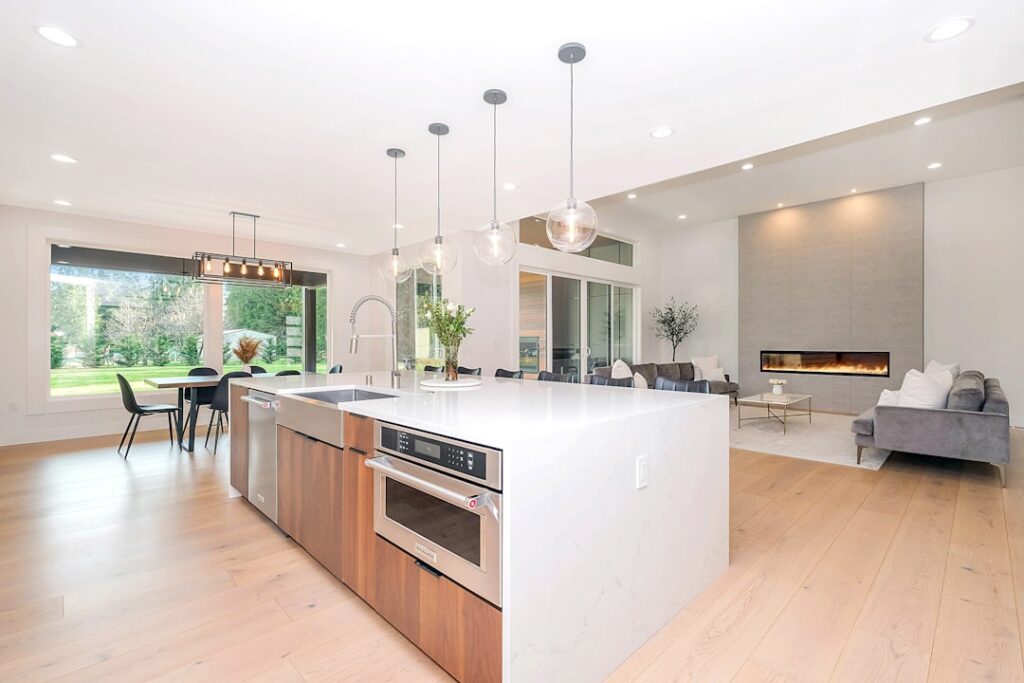
When you shop for engineered stone, one of the first choices you face is thickness, and a 3cm quartz countertop has become the default premium standard in American kitchens for good reason. At roughly 1.25 inches thick, a 3cm quartz countertop delivers the substantial, high-end look most homeowners want along with the structural strength to span cabinets without extra plywood support. But it costs more than the thinner 2cm option, and the difference is not always obvious in a showroom. This guide explains what 3cm really means, how it compares to 2cm, real pricing, edge options, and whether the upgrade is worth it for your project.
Part of our Countertops guide — explore the full guide →
What “3cm” Actually Means
The “3cm” refers to the slab thickness, 30 millimeters, or about 1.19 inches, though the industry rounds it to 1.25 inches once you account for tolerances. The other common thickness is 2cm, roughly 3/4 inch. That single centimeter of difference changes the look, the strength, and the installation method more than the small number suggests.
A 3cm slab is thick enough to sit directly on standard kitchen base cabinets without a plywood substrate underneath. The extra mass also lets fabricators run longer unsupported spans, like over a dishwasher opening or a modest overhang, without cracking. In short, 3cm is the “install it and forget it” thickness that most fabricators recommend for kitchens.
3cm vs. 2cm: The Real Differences
Both thicknesses use identical quartz material; only the slab depth changes. Here is how they compare in practice:
- Strength: 3cm resists cracking and can span farther unsupported. 2cm typically needs a plywood backer for support and to build up edges.
- Look: 3cm reads as solid and premium with a naturally thick edge. 2cm looks thinner unless the edge is “mitered” (folded) to fake a thicker profile.
- Overhangs: 3cm supports up to about 10 inches of overhang unsupported; 2cm needs brackets or corbels much sooner.
- Cost: 3cm runs higher per square foot because it uses more material, but 2cm often needs added labor for plywood and mitered edges, narrowing the real-world gap.
- Availability: in the US, 3cm dominates kitchen selections; 2cm is more common in bathrooms, backsplashes, and commercial jobs.
For most American kitchen islands and perimeter counters, 3cm is the practical choice. Choose 2cm mainly for vertical applications, wall cladding, or when a specific slim, European aesthetic is the goal.
What a 3cm Quartz Countertop Costs
Pricing varies by brand, color, and region, but you can budget with these ranges. Quartz is sold installed, per square foot, and thickness is one input among several:
- Entry-level quartz (3cm): $50 to $70 per square foot installed.
- Mid-range designer colors: $70 to $100 per square foot installed.
- High-end brands and marble-look patterns: $100 to $150-plus per square foot installed.
For a typical kitchen with 40 to 50 square feet of counter, a 3cm install commonly lands between $3,000 and $6,000. The 3cm upgrade over 2cm usually adds $5 to $15 per square foot in raw material, but remember that 2cm often claws that back in extra labor for plywood substrate and built-up edges. Ask your fabricator for an apples-to-apples quote on both thicknesses with the same edge profile before deciding.
Edge Profiles for a 3cm Slab
One of the joys of 3cm is that its natural thickness looks great with a simple edge, no fakery required. Popular profiles include:
- Eased (square) edge: a clean, modern near-square edge with a tiny softened corner. Standard and usually included.
- Beveled edge: a 45-degree angled cut, crisp and contemporary.
- Bullnose and half-bullnose: a rounded profile, softer and traditional.
- Ogee: an S-curved decorative edge for formal, traditional kitchens; typically an upcharge.
- Mitered edge: two pieces joined to create a super-thick 6cm or thicker “waterfall” look; a premium upgrade.
Basic eased and beveled edges are usually built into the base price. Decorative profiles like ogee or a mitered waterfall island add $10 to $30 per linear foot. Because 3cm already looks substantial, many homeowners happily stick with the included eased edge and put the savings toward a nicer color.
Why Quartz at 3cm Is So Popular
Beyond thickness, engineered quartz itself explains the demand. It is nonporous, so unlike granite or marble it never needs sealing and resists staining from wine, coffee, and oil. It is highly scratch- and chip-resistant thanks to its resin-bound structure, and it comes in consistent, predictable patterns, from solid whites to convincing marble veining, so the slab you approve is the counter you get.
At 3cm, all those benefits arrive in the most durable format. The added thickness means fewer worries about cracking near sink cutouts or cooktop openings, the two spots where thinner counters are most vulnerable. For a surface expected to last 20 years or more of daily abuse, the structural margin of 3cm is genuine insurance.
Installation Considerations
A 3cm quartz countertop is heavy, roughly 18 to 20 pounds per square foot, so it is a professional install, not a DIY lift. A typical kitchen’s counters can weigh several hundred pounds, requiring two or more installers and reinforced cabinets. Confirm your base cabinets are level and sturdy; quartz needs a flat, solid platform or it can crack over time.
The process runs about two to three weeks end to end: templating (precise measuring, often with a laser digitizer), fabrication (cutting and edging at the shop), and installation (a half-day on site with seam bonding and sink mounting). Seams on a 3cm slab are color-matched with epoxy and, done well, are barely visible. Discuss seam placement in advance; a good fabricator hides them at sink cutouts or short runs rather than across a prominent island. Choose 3cm, a reputable fabricator, and a color you love, and you get a countertop that looks premium and performs flawlessly for decades.
Overhangs and Support for a 3cm Slab
One of the practical advantages of 3cm is how far it can span unsupported, which matters most at breakfast bars and island seating overhangs. A 3cm quartz slab can typically cantilever up to about 10 inches beyond the cabinet or support without additional bracing. Push past that, for a 12- to 15-inch seating overhang, and you need steel support brackets or corbels hidden beneath to prevent cracking, especially at the vulnerable inside corners.
Compare that to 2cm, which usually needs support at just 6 inches of overhang, and the appeal of 3cm for islands becomes obvious. When planning a raised or flush eating bar, tell your fabricator the exact overhang depth so they can spec the right hidden steel plates. A common mistake is designing a generous 14-inch overhang for barstools without support, then watching the edge crack under the weight of someone leaning on it. Proper bracing is inexpensive insurance on a several-thousand-dollar counter.
Seams: What to Expect and How to Hide Them
Quartz slabs come in finite sizes, typically around 120 by 55 inches, so most kitchens larger than a small galley will need at least one seam. A skilled fabricator plans seams strategically: at a sink cutout where the counter is narrowest, at an inside corner, or across a short run rather than down the middle of a long, prominent expanse. On a 3cm slab, the thicker edge gives more surface for the epoxy bond, and a good installer color-matches the adhesive so the seam nearly disappears.
Ask to review the seam layout, called the “seam diagram” or “layout drawing,” before fabrication begins. This is your chance to move a seam away from the most visible part of the kitchen. Marble-look patterns with heavy veining hide seams better than solid colors, where a seam line can be more noticeable under raking light. A quality seam on a 3cm quartz counter should be smooth to the touch and require you to look closely to find it.
Making the 3cm Decision
For the vast majority of American kitchen projects, 3cm is the right call. It installs directly on cabinets without a plywood substrate, spans farther for islands and overhangs, resists cracking at sink and cooktop cutouts, and delivers the substantial, high-end edge look most homeowners want, all with a simple included eased edge and no fakery. The modest material premium over 2cm is often offset by the extra labor 2cm requires for plywood backing and built-up edges.
Reserve 2cm for vertical applications like backsplashes and wall cladding, for bathrooms where the slimmer profile suits, or for a deliberately minimalist European aesthetic. When you do choose 3cm, confirm your base cabinets are level and structurally sound, since the heavy slab needs a flat, solid platform, and hire an experienced, well-reviewed fabricator to template, cut, and install it. Get those pieces right, and a 3cm quartz countertop becomes the durable, low-maintenance, premium-looking centerpiece your kitchen is built around, one that shrugs off decades of daily cooking, spills, and traffic.