A flat, painted wall is a blank slate, but add dimension and texture and the whole room suddenly feels designed. Accent wall paneling is the fastest way to give a space that custom, architectural quality without a full remodel, transforming an ordinary wall into a focal point with molding, boards, or slats. From classic board and batten to sleek modern slat walls, paneling adapts to nearly every style and skill level, and much of it is achievable in a single weekend. This guide breaks down the most popular paneling styles, honest material costs, and a step-by-step process to build a wall that looks like it came from a design magazine.
Why Paneling Beats a Plain Painted Wall
Paint changes color, but paneling changes the character of a room. The shadow lines, depth, and repetition of paneling catch the light and create visual interest that a flat wall simply cannot. It reads as intentional, high-end, and permanent, the kind of detail that makes a house feel custom-built rather than builder-basic.
Paneling is also remarkably versatile. It can make a room feel cozier and more traditional with raised panels and molding, or crisp and contemporary with clean vertical slats. It hides minor wall imperfections, adds a durable surface in high-traffic areas, and delivers an outsized visual return for a modest material cost. For homeowners who want maximum impact from a weekend project, few upgrades compete.
Popular Paneling Styles
The style you choose sets the entire tone of the room, so match it to your home’s character and your comfort with tools.
- Board and batten: Vertical battens over a flat base, creating clean rectangular sections. A timeless look that suits farmhouse, transitional, and traditional homes.
- Shiplap: Horizontal boards with a consistent shadow gap. Bright, casual, and endlessly popular.
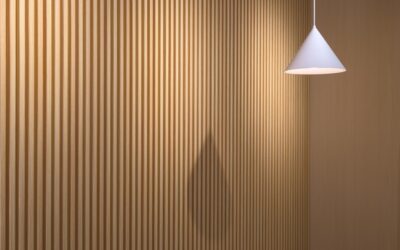
- Modern slat wall: Evenly spaced vertical wood slats, often over a dark backer, for a warm contemporary and acoustic-friendly look.
- Wainscoting: Paneling on the lower third of the wall, capped with a chair rail, classic in dining rooms and hallways.
- Picture frame molding: Applied molding forming rectangular frames on the wall, an elegant, low-cost way to add architectural detail.
- Beadboard: Narrow vertical planks with rounded beads between them, cottage-style and great for bathrooms.
Board and batten and picture frame molding are the most beginner-friendly, since they attach over your existing wall with minimal fuss. Slat walls deliver the biggest modern wow but require precise, consistent spacing.
Choosing Your Materials
Paneling can be built from several materials, each balancing cost, appearance, and workability. Your choice affects both the look and how the project goes.
- MDF boards and molding: Smooth, paintable, affordable, and dimensionally stable. The go-to for painted board and batten and picture frame walls.
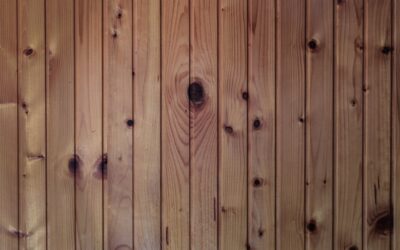
- Solid wood: Pine or hardwood for stained slat walls and where you want real wood grain to show.
- Plywood strips: Ripped into consistent slats, an economical route for modern slat walls.
- PVC or composite: Moisture-proof paneling for bathrooms and other damp areas.
- Pre-made panel kits: Peel-and-stick or interlocking panels that speed up installation for beginners.
For a painted look, MDF gives the smoothest, most seamless finish and costs less than solid wood. If you want visible wood grain and a stained result, choose real wood or quality plywood. Match moisture-prone rooms to PVC or composite so the paneling never swells.
Planning and Layout
Good paneling lives or dies by the layout, so plan on paper before cutting anything. For board and batten, decide on the spacing between battens, commonly 12 to 16 inches, and the height. For a slat wall, calculate the slat width and gap so the spacing comes out even from corner to corner, adjusting slightly rather than ending on an awkward sliver.
Measure the wall carefully and account for outlets, switches, and windows. Mark stud locations, since heavier paneling should anchor into framing. Sketch the grid or slat pattern to scale and count your materials, adding about 10 percent for cuts and mistakes. Taking the time to center the pattern and balance the end pieces is what separates a designer look from a lopsided one.
Step-by-Step Installation
Most paneling attaches over your existing drywall with adhesive and a brad nailer, making it a very achievable project. Gather a miter saw, a brad nailer, a level, a stud finder, construction adhesive, caulk, and wood filler before starting.
- Prep the wall by cleaning it and filling any large holes; you can panel over paint in good condition.
- For board and batten, install horizontal top and bottom rails first, leveled, then add the vertical battens at your planned spacing.
- Apply construction adhesive to the back of each board and secure with brad nails, hitting studs where possible.
- Check every piece with a level as you go; small errors compound across a wall.
- Cut cleanly around outlets and switches, and add box extenders so receptacles sit flush with the new surface.
- Fill nail holes with wood filler, then caulk all seams and edges for a seamless, built-in look.
- Sand lightly, prime, and paint or stain your finished paneling.
The caulking and filling stage is where a project goes from DIY to professional. Take the time to caulk every joint and fill every nail hole, then paint, and the paneling will look like a single, solid architectural element rather than a collection of boards.
Best Rooms and Where Paneling Shines
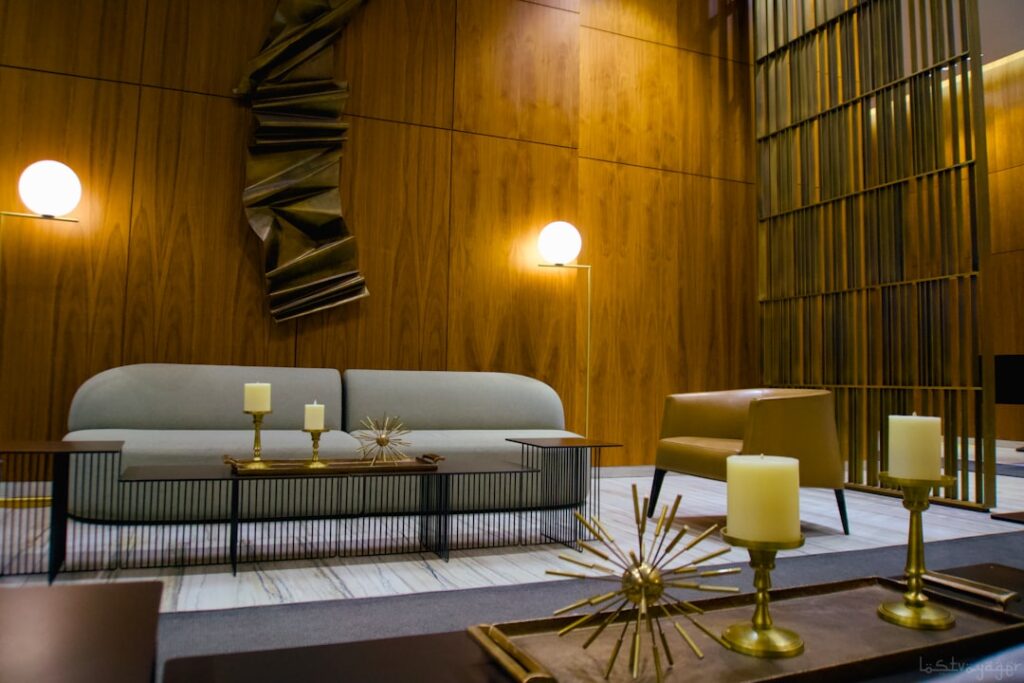
Paneling adapts to nearly any room, but certain spaces reward it most. In a living room, a paneled wall behind the sofa or television creates an instant focal point and lends the room an established, custom feel. Dining rooms take beautifully to wainscoting or picture frame molding, which adds a note of formality that suits the space. Entryways and staircases benefit from board and batten, standing up to bumps and scuffs while making a strong first impression.
Bedrooms are natural candidates too, with a paneled or slatted wall behind the headboard replacing a bulky upholstered frame. Home offices gain a polished, professional backdrop, which reads especially well on video calls. Even bathrooms and laundry rooms can carry moisture-resistant beadboard or PVC paneling for a cottage touch. The key is choosing a wall that already draws the eye, then letting the paneling reinforce that focal point rather than scattering attention across the room.
Matching Paneling to Your Home’s Style
The right paneling style should feel like it belongs to your home rather than pasted on, so take cues from the architecture and your existing decor. Traditional and colonial homes suit raised-panel wainscoting, picture frame molding, and classic board and batten in crisp white. Farmhouse and cottage interiors lean toward shiplap and beadboard, ideally in soft whites or muted colors. Modern and contemporary spaces call for clean vertical slat walls, often in warm wood tones or bold dark paint.
Color choice reinforces the effect. Painting the paneling the same color as the surrounding walls creates a subtle, tonal, texture-forward look that feels sophisticated. Painting it a contrasting or deeper shade makes the wall a bold statement. For slat walls, a stained wood finish over a dark backer board reads warm and current. Whatever you choose, tie the paneling to the room’s hardware, trim, and furnishings so it looks intentional and integrated, which is exactly what separates a designer result from an afterthought.
Cost and Value
Accent wall paneling is one of the best value upgrades in home improvement. A typical board and batten or picture frame wall costs $100 to $400 in materials for an average wall, plus a weekend of your time. Modern slat walls and solid-wood designs run higher, roughly $300 to $800, depending on the wood. Hiring a carpenter adds labor but still lands well below the cost of most remodels.
The payoff is disproportionate to the spend. A well-executed feature wall elevates a room’s entire feel, photographs beautifully, and appeals to buyers who read custom millwork as quality. Done thoughtfully, accent wall paneling gives you the architectural character of an expensive build for the price of a few boards and a weekend of work. Pick a style that fits your home, plan the layout for balanced spacing, and sweat the caulking and paint, and you will have a wall that anchors the room and looks far more expensive than it was.