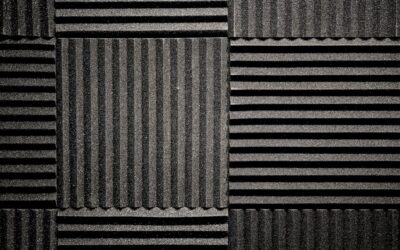
A noisy room isn’t just annoying, it makes conversation tiring and concentration nearly impossible. Acoustic ceiling tile solves that problem by absorbing sound instead of bouncing it back, and it does so for a fraction of the cost of wall treatments or new drywall. I’ve installed these tiles in home theaters, basement offices, and finished garages, and the difference in echo is immediate. This guide covers the tile types, the ratings that actually matter, and how to install them yourself.
Part of our Tile & Grout guide — explore the full guide →
How Acoustic Tiles Reduce Noise
Hard surfaces like drywall and concrete reflect sound waves, creating echo and reverberation. Acoustic tiles are made from porous, fibrous materials, usually mineral fiber or fiberglass, that trap sound energy and convert it into tiny amounts of heat. The result is a quieter, less echoey room where speech and audio sound clearer.
It’s worth understanding the distinction between sound absorption and soundproofing. These tiles absorb sound within a room, reducing echo. They do far less to block noise from passing between rooms or floors. If your goal is keeping a teenager’s drum kit from waking the neighbors, you need mass and isolation, not just absorption. For taming echo in a single space, absorptive tile is exactly the tool.
Understanding NRC Ratings
The single most important spec is the Noise Reduction Coefficient, or NRC. It ranges from 0 to 1 and tells you how much sound a tile absorbs. An NRC of 0.70 means the tile absorbs 70 percent of the sound that hits it.
- NRC 0.50 to 0.60: entry-level, mild improvement
- NRC 0.70: a solid choice for offices and living spaces
- NRC 0.80 to 0.95: premium tiles for home theaters and studios
If you also care about blocking noise between floors, look at the Ceiling Attenuation Class, or CAC. A CAC of 35 or higher helps reduce sound transfer to the room above. Many high-NRC tiles have a low CAC, so check both numbers if both matter to you.
Common Types of Acoustic Tile
Most residential projects use one of three materials, each with its own strengths:
- Mineral fiber: the most common and affordable option, good NRC, widely available in 2-by-2 and 2-by-4 foot panels
- Fiberglass: higher NRC, lighter weight, often wrapped in fabric for a finished look
- Foam panels: inexpensive and easy to mount directly to walls or ceilings, popular for DIY studios
Mineral fiber tiles like the Armstrong and USG product lines dominate suspended ceilings. Fiberglass panels cost more but deliver superior absorption, which is why studios favor them. Foam works for quick fixes but offers less fire resistance and a less polished appearance.
Installation Options
You have two main routes. A suspended grid system, sometimes called a drop ceiling, hangs metal T-bars from the joists and drops standard 2-by-2 or 2-by-4 panels into place. This is ideal for basements because it hides ductwork and wiring while leaving access for repairs. Plan for a 4-inch drop minimum below your joists.
The second route is direct mounting, where you glue or clip tiles straight to an existing ceiling or wall. This preserves headroom and works well in rooms where you can’t afford to lose height. Foam and fabric-wrapped panels are designed for this approach. For a basic 12-by-12 foot room with a drop ceiling, expect to spend a Saturday and have a helper on hand for lifting the grid.
Cost Breakdown
Acoustic ceiling tile is one of the more budget-friendly acoustic treatments. Material pricing typically runs:
- Basic mineral fiber tiles: $1 to $3 per square foot
- Mid-range tiles with higher NRC: $3 to $6 per square foot
- Premium fiberglass or designer panels: $6 to $15 per square foot
- Suspended grid components: $1 to $2 per square foot
A 144-square-foot basement room with a mid-range drop ceiling lands around $600 to $1,000 in materials. Hiring a pro adds $2 to $5 per square foot in labor. Direct-mount foam projects can come in under $300 for a small room.
Maintenance and Replacement
These tiles need little attention. Dust them gently with a soft brush or a vacuum brush attachment a couple times a year. For light stains, a dry sponge or a slightly damp cloth works on most mineral fiber tiles, but never soak them, since water swells the fibers and leaves rings.
One advantage of a drop ceiling is easy replacement. If a tile gets water-stained from a roof leak or yellowed near a vent, you simply lift it out and pop in a fresh one for a couple of dollars. Keep a few spare tiles from your original box so the color and texture match.
Styles and Appearance
These tiles have come a long way from the dingy office look of decades past. Modern options span smooth, textured, fissured, and even decorative tin-look panels that suit finished living spaces. White remains the default because it reflects light and keeps a room feeling open, but you can find black tiles for home theaters, where dark ceilings reduce screen glare and create a cinema feel.
If appearance matters, fabric-wrapped fiberglass panels look the most upscale and can be ordered in custom colors. For a basement rec room, a textured white mineral fiber tile in a standard grid offers the best balance of looks, performance, and budget. Choose a tile with a clean, modern face pattern rather than the old pinhole style if you want the ceiling to feel contemporary.
If you’re hanging a drop ceiling yourself, snap a level chalk line around the room at your drop height, install the wall angle, then hang the main tees from the joists with wire every 4 feet. Lock in the cross tees to form the grid, double-checking that everything is square and level as you go, since an out-of-square grid means trimming every border tile. Drop the full tiles in first, then measure and cut the perimeter tiles with a sharp utility knife. Wear a dust mask when cutting mineral fiber, and keep the grid lines tight for a professional result.
Is It the Right Choice?
For home theaters, basements, offices, and any room plagued by echo, acoustic ceiling tile delivers a clear, measurable improvement at a reasonable price. Match the NRC rating to your needs, pick mineral fiber for value or fiberglass for performance, and choose a suspended grid if you need to hide utilities. Just remember it absorbs sound rather than blocking it, so set your expectations accordingly and you’ll be thrilled with how much calmer the room sounds.
Prefer to explore on your own?
See how new flooring looks in your actual room in seconds — free, no signup.
Try the free Floor Studio →