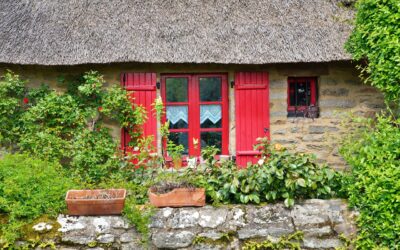
There is a reason the barn door look refuses to go out of style: it brings texture, warmth, and a hint of the countryside into rooms that would otherwise feel plain. Barn door shutters take that same sliding-plank aesthetic and apply it to windows, giving you a distinctive alternative to blinds, curtains, and traditional louvered shutters. They work indoors as a decorative light-control feature and outdoors as a charming architectural accent. Before you commit, it helps to understand the different styles, what they cost, and how they mount, because the term covers several very different products.
Part of our Windows & Doors guide — explore the full guide →
Interior vs. Exterior Barn Door Shutters
The first fork in the road is where the shutters will live. Interior barn door shutters are usually functional sliding panels mounted on a mini track above the window. You slide them open and closed to control light and privacy, much like a scaled-down version of a sliding barn door on a wall. They are built from lightweight wood or MDF because they only need to survive indoor conditions.
Exterior barn door shutters, by contrast, are most often fixed decorative panels flanking a window on the outside of the house. They mimic the plank-and-batten construction of a barn door but stay stationary, adding curb appeal rather than actually closing. When exterior shutters do operate, they ride on heavy-duty hardware rated for weather and use sliding or hinged mechanisms built to take wind and sun. Knowing which type you want shapes every other decision.
Popular Style Variations
Within the barn door family, a few construction styles dominate:
- Board and batten: Vertical planks joined by horizontal or Z-shaped crossbars. This is the classic, most recognizable barn look.
- Plank with X-brace: An angled brace across the face adds visual movement and reinforces the panel.
- Chevron or herringbone: Planks arranged in a V-pattern for a more modern, tailored take on the rustic theme.
- Reclaimed wood: Weathered, salvaged boards deliver authentic patina and no two panels look alike.
Your home’s architecture should guide the choice. A farmhouse or craftsman home carries board and batten effortlessly, while a transitional interior might look sharper with a clean chevron panel painted in a soft neutral.
Material Options and Durability
Material determines both the look and how long the shutters last. Solid wood, typically pine, cedar, or knotty alder, gives the most authentic grain and can be stained or painted, but it needs sealing and occasional maintenance, especially outdoors. Cedar is the standout for exterior use because it naturally resists rot and insects.
Engineered options widen the field. MDF works well for interior panels that will be painted, offering a smooth, stable surface at a lower price. For exterior applications where maintenance is a concern, composite and vinyl barn-style shutters resist warping, fading, and moisture, holding their finish for 15 to 20 years with almost no upkeep. The tradeoff is that vinyl can look less convincing up close than real wood, so it suits second-story windows better than ones at eye level.
Sizing and Measuring
Accurate measurements are the difference between shutters that look custom and ones that look like an afterthought. For decorative exterior pairs, each shutter should be roughly half the width of the window opening so that, visually, the two panels could close and cover the glass. Height should match the window height, aligning with the top and bottom of the frame. Shutters that are too short or too narrow are the most common mistake and immediately read as builder-grade.
For functional interior sliding shutters, measure the full window opening plus the wall space you need on either side for the panel to park when open. The track must extend beyond the window so the shutter fully clears the glass. Always account for trim, sills, and any obstructions like handles or cranks before ordering.
What Barn Door Shutters Cost
Prices swing widely based on material, size, and whether you build or buy. Here is a realistic range:
- Vinyl or composite decorative pairs: $50 to $150 per pair for standard window sizes.
- Painted MDF interior panels: $80 to $200 per window plus hardware.
- Solid wood, stained or custom: $150 to $400 per pair, more for oversized or reclaimed wood.
- Sliding hardware and mini track: $30 to $120 depending on quality and finish.
DIY building from raw lumber can cut material costs to $40 to $80 per window if you already own a saw and drill, though it trades money for a weekend of labor and finishing time.
Installing Barn Door Shutters
Decorative exterior shutters are the simplest install. You position each panel against the house so its inside edge sits at the window frame, level it, and fasten it with corrosion-resistant screws or shutter spikes driven into the sheathing or masonry with the right anchors. Predrilling prevents splitting on wood panels, and a bead of exterior sealant behind the mounting points keeps water out of the fastener holes.
Functional interior sliding shutters take more care. Mount a header board above the window if the track cannot screw directly into studs, then attach the track to that board so it can bear the panel’s weight. Hang the shutter on its rollers, adjust the stops so it slides smoothly and parks fully clear of the glass, and add a floor guide if the panel is tall enough to sway. Test the slide several times and confirm the shutter clears any window hardware before final tightening.
Finishing and Maintaining Your Shutters
The finish you apply determines how long barn door shutters last and how they read from the curb. For a rustic, weathered look on wood, a semi-transparent stain lets the grain show while adding UV and moisture protection; plan to reapply every two to three years on exterior pieces exposed to full sun. For a cleaner, more architectural appearance, a quality exterior paint in a satin finish holds up well and hides minor imperfections. Popular colors run to classic barn red, deep charcoal, forest green, and soft black, all of which complement neutral siding and read as intentional design choices rather than afterthoughts.
Whatever finish you choose, seal all six sides of each board before installation, including the back and the end grain. End grain drinks up moisture and is the first place rot starts, so a thorough coat there dramatically extends the life of the shutters. Interior sliding panels need far less maintenance, an occasional dusting and a check of the roller hardware, since they never face weather.
DIY vs. Buying Pre-Made
Deciding whether to build or buy comes down to your tools, time, and the look you want. Pre-made shutters, whether vinyl, composite, or finished wood, arrive ready to hang and guarantee a consistent, professional appearance. They are the fast, low-risk route and the only sensible choice if you need several matching windows to look identical.
Building your own makes sense when you want a truly custom size, an authentic reclaimed-wood character, or the lowest possible material cost. A basic board-and-batten panel is one of the more approachable woodworking projects: cut your boards to length, lay them side by side, and fasten the battens across the back with exterior screws in a Z or straight pattern. The main challenges are keeping the panels perfectly square and applying a durable, weather-resistant finish. Budget a weekend per pair once you factor in cutting, assembly, sanding, and finishing time, and always build a test panel first to dial in your spacing and hardware before committing to the full set.
Are Barn Door Shutters Right for Your Home?
These shutters shine when your goal is character and warmth rather than pure function. As decorative exterior accents, they deliver instant curb appeal on farmhouse, cottage, and rustic-leaning homes for a modest price. As interior sliding panels, they double as a conversation piece and a genuinely useful light-and-privacy control in a kitchen, mudroom, or bedroom. Match the material to the location, size them so they look like they belong, and finish them to complement your trim. Done right, barn door shutters add the kind of handmade, lived-in charm that manufactured blinds simply cannot replicate, and they do it without a designer’s budget.