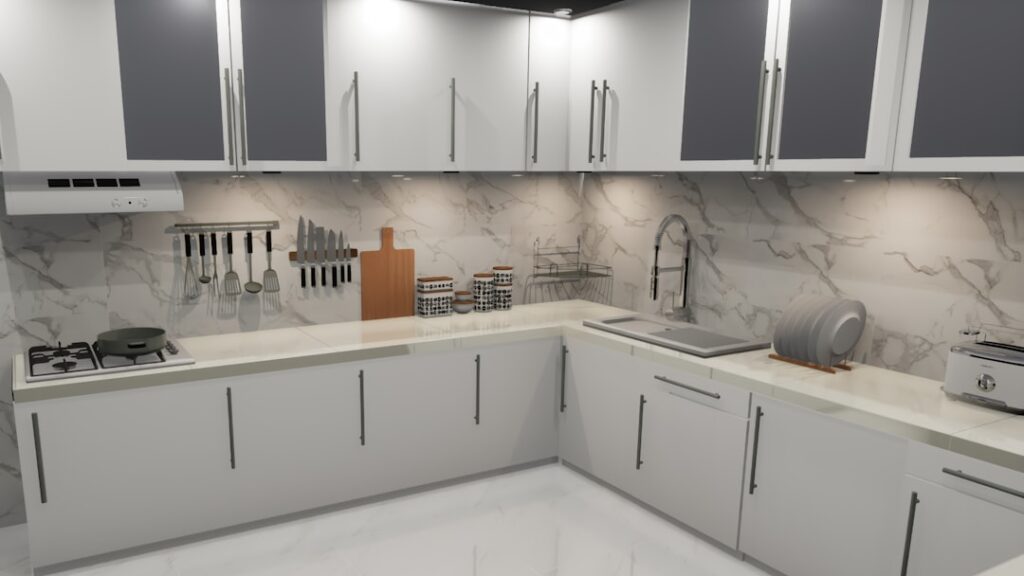
Beige gets unfairly dismissed as bland, but the right palette turns it into one of the warmest, most timeless backdrops a kitchen can have. Thoughtful beige kitchen colors schemes layer warm neutrals, greige tones, and carefully chosen accents to create a space that feels inviting rather than flat. The secret is contrast and texture — a beige kitchen done well never reads as one monotonous tan. Whether you are repainting cabinets, choosing countertops, or planning a full remodel, this guide covers the pairings and accent ideas that make beige work beautifully.
Part of our Kitchen Remodeling guide — explore the full guide →
Why Beige Endures
Beige is a warm neutral that pairs with almost everything, which is exactly why it stays popular through changing trends. It reflects light, makes spaces feel larger and cozier, and serves as a flexible foundation you can restyle with accessories rather than a full renovation.
Unlike cooler grays that can feel stark, beige brings warmth. That makes it especially welcoming in the kitchen, the most-used room in many homes, where you want a comfortable, lived-in feel.
Understanding Beige and Greige
Not all beige is the same, and knowing the undertones is the key to a cohesive scheme. Warm beiges lean toward yellow, gold, or pink and feel cozy. Cooler beiges drift toward gray — the popular greige, a beige-gray blend that bridges warm and cool palettes and pairs easily with both.
Before committing, test paint and material samples in your kitchen’s actual light at different times of day. A beige that looks perfect in the store can turn yellow under warm bulbs or flat under north-facing light.
Cabinet Color Pairings
Beige cabinets can anchor the room or play a supporting role. Here are pairings that work:
- Beige cabinets with white trim and ceiling — crisp, clean, and bright
- Two-tone — beige uppers, deeper greige or navy lowers — adds depth and a modern edge
- Beige cabinets with wood-tone islands or shelving — layers warmth and texture
- Greige cabinets with matte black hardware — contemporary contrast that keeps things grounded
If your cabinets are beige, vary the surrounding tones so the room has dimension rather than a single flat field of color.
Countertop Combinations
Countertops make or break a beige scheme. Pairing beige cabinets with the right counter adds the contrast the palette needs. White or light quartz with subtle veining keeps things fresh and bright against beige cabinets. Warmer cream or tan stone with movement reinforces a cozy, layered look.
For drama, a darker counter — charcoal, deep brown, or a black-flecked granite — creates striking contrast that makes beige cabinets feel intentional and rich. Whatever you choose, coordinate the counter’s undertone with your beige so warm meets warm or you deliberately balance warm and cool.
Backsplash and Wall Ideas
The backsplash is where you can introduce texture and a touch of pattern. A subway tile in white or a soft beige keeps the look clean and classic. Natural stone or a tile with gentle warm veining ties cabinets and counters together. For more personality, a patterned or handmade-look tile in muted tones adds interest without overwhelming the neutral base.
On the walls, a slightly lighter or darker shade than the cabinets keeps the palette cohesive. Greige walls are a safe, flexible choice that flatters both warm and cool accents.
Adding Accent Colors
Beige is the canvas; accents bring it to life. Because the base is neutral, you can layer in color through easily changed elements:
- Black — hardware, faucets, and light fixtures for grounded contrast
- Warm brass or gold — hardware and lighting for an elegant glow against beige
- Navy or deep green — an island, stools, or accessories for a rich focal point
- Soft sage or muted blue — calming accents that complement warm neutrals
- Natural wood and greenery — cutting boards, open shelving, and plants for organic warmth
Layering Texture and Materials
A beige kitchen succeeds on texture as much as color. Mix matte and natural finishes — woven baskets, wood cutting boards, stone counters, woven runners, and linen-look textiles — to keep a neutral room from feeling flat. Varying materials and surface finishes adds the visual depth that a single paint color cannot. This layering is what separates a warm, designer-feeling beige kitchen from a dull one.
Lighting and How Beige Reads
No color is more sensitive to light than beige, so lighting deserves real attention. Natural light changes a beige throughout the day — warm morning and evening light pushes it toward gold, while midday and north-facing light can flatten it or reveal cool gray undertones. Artificial light matters just as much: warm bulbs amplify yellow undertones, while cooler bulbs can make beige look washed out or slightly gray.
Choose bulbs in a consistent color temperature, generally a soft warm-white around 2700K to 3000K for a cozy kitchen, and layer your lighting with overhead, task, and under-cabinet sources. Always test paint and material samples under your kitchen’s actual lighting, at multiple times of day, before committing.
Common Mistakes to Avoid
A beige kitchen falls flat when a few traps go unaddressed. The biggest is ignoring undertones — pairing a warm, pink-beige with a cool gray counter creates a subtle clash that feels off without an obvious cause. Another is matching everything too closely, which produces a monotonous, washed-out room with no depth. Failing to add contrast or texture leaves the space looking dull, while choosing beige based on a tiny chip rather than a large sample in your own light leads to disappointment. Avoid these by working with undertones intentionally, building in contrast through counters and accents, and layering natural materials and finishes for the warmth that makes beige feel rich rather than boring.
The Bottom Line
Beige kitchen colors schemes are timeless and endlessly flexible when you respect undertones, build in contrast, and layer texture. Start by identifying whether you want warm beige or cooler greige, pair cabinets and counters that complement that undertone, and bring the space alive with accents like black, brass, navy, or natural wood. Test samples in your own light, and you will end up with a kitchen that feels warm, current, and anything but boring.