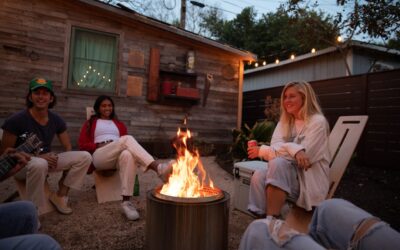
A propane fire pit gives you the glow and warmth of a campfire with none of the smoke, sparks, or ash, and you can shut it off instantly when you are done. Choosing the best portable propane fire pit comes down to a handful of practical specs, chiefly heat output, weight, and fuel efficiency, rather than looks alone. These units are ideal for campsites under fire restrictions, small patios, tailgates, and anywhere an open wood fire is impractical or banned. This guide breaks down what actually matters so you buy one that throws real heat and lasts.
Why Propane Over Wood
The case for propane is convenience and access. There is no gathering wood, no kindling, no smoke blowing in your eyes, and no waiting for a fire to die down before you can leave. You turn a knob, click the igniter, and have flames in seconds; turn it off and the fire is out immediately with no smoldering embers to babysit.
Crucially, propane fire pits are often allowed where wood fires are banned. During dry-season burn bans and in many campgrounds, a fire with an on/off valve and no flying embers is permitted when open wood fires are not, because you can extinguish it instantly and it produces no sparks. Always confirm local rules, but this ability to have a fire during a burn ban is a major reason campers choose propane. They also produce essentially no smoke, so your clothes and gear do not reek of campfire afterward.
The Most Important Spec: BTUs
Heat output is measured in BTUs (British Thermal Units) per hour, and it is the number that most determines whether a pit is a cozy heat source or just a pretty flame. Portable propane fire pits generally range from about 10,000 to 60,000 BTUs.
- 10,000 to 20,000 BTUs: Small tabletop units. Ambiance and light warmth for one or two people up close.
- 20,000 to 40,000 BTUs: The sweet spot for most portable pits. Real warmth for a small group.
- 40,000 to 60,000 BTUs: Larger units that heat a patio circle effectively even in cool weather.
For camping and patio use where you want actual warmth, look for at least 30,000 BTUs. Tabletop models below 20,000 BTUs are lovely for atmosphere on a mild evening but will not take the chill off a cold night. More BTUs means more heat but also faster fuel consumption, so balance output against how long you want a tank to last.
Weight and Portability
Portable covers a wide range, from a 12-pound tabletop unit you carry with one hand to a 40-pound pit that is portable in the sense that it has handles and fits in a trunk. Decide how you will actually transport it. For backpacking or minimalist camping, a compact unit under 15 pounds that runs off a small 1-pound propane canister makes sense. For car camping, tailgating, or a patio you occasionally move, a larger unit that connects to a standard 20-pound tank offers longer run times and more heat.
Consider the fuel connection along with weight. Units that run on the small green 1-pound canisters are lighter and more truly portable, but those canisters are expensive per use and run out quickly. Units that connect to a refillable 20-pound tank, the same kind your gas grill uses, are heavier but far cheaper to run and last many hours per fill. Many pits include a hose and regulator to connect to the big tank, and adapter hoses let some canister units tap a 20-pound tank too, which is the most economical setup for frequent use.
Fuel Efficiency and Run Time
Run time depends on BTU output and tank size. A standard 20-pound propane tank holds about 430,000 BTUs of usable energy. A 40,000-BTU pit run at full blast would drain it in roughly 10 hours, while running at a lower flame stretches that considerably. The small 1-pound canisters hold far less, only enough for an hour or two at moderate output, which is why they get expensive fast.
Look for a pit with a good adjustable flame control so you can dial the heat down and save fuel when you just want ambiance. The best units offer a wide, responsive range from a low glow to a roaring flame. For anyone using their fire pit regularly, plan to run off a 20-pound tank; the per-hour cost drops dramatically compared to disposable canisters, and refills are cheap and available everywhere.
Features Worth Paying For
Beyond the core specs, a few features genuinely improve the experience. A reliable push-button or auto-ignition system beats fumbling with a lighter. A sturdy build with a stainless steel or powder-coated burner resists corrosion, important since these live outdoors. Lava rocks or decorative glass media that come with the pit distribute heat and hide the burner for a better flame appearance.
A protective cover or carry case, an integrated tank storage compartment, and a wind guard all add real value. Some pits double as low tables with a lid, useful for camping. If you want the campfire look, choose a model with a generous burner and fire media rather than a tiny single-ring burner. And check that the pit sits stably; a wide base matters on uneven campsite ground.
Materials and Build Quality
The materials a fire pit is made from determine both how long it lasts and how well it radiates heat. Stainless steel burners and bodies resist rust and handle the constant heat cycling best, which matters for a product that lives outdoors and gets soaked by rain and dew. Powder-coated steel and cast aluminum are common and lighter, but check that the burner itself, the part exposed to direct flame, is stainless or a corrosion-resistant alloy, since that is where cheap units fail first.
The fire media also affects performance and appearance. Lava rock is inexpensive, distributes heat well, and gives a natural look; tempered fire glass costs more but reflects the flame beautifully for a modern aesthetic. Either helps protect the burner and spread heat more evenly than a bare burner ring. Look for solid, stable legs or a wide base, since a top-heavy pit on uneven campsite ground is a tipping hazard. A well-built unit feels substantial and has tight, quality connections rather than flimsy fittings that leak or corrode.
Matching the Pit to Your Use
The right choice depends heavily on how and where you will use it. For backyard patio use, weight barely matters, so prioritize higher BTUs, a larger burner for a fuller flame, and a look you like, and plan to connect it to a 20-pound tank you can tuck nearby or hide in a compartment. A patio pit in the 40,000-to-60,000-BTU range with fire glass makes a genuine gathering spot on cool evenings.
For camping and travel, portability and fuel flexibility move to the top. A compact unit in the 10-to-30-pound range with sturdy handles or a carry case, ignites reliably, and can run off either a 1-pound canister for a quick trip or a 20-pound tank via an adapter hose for longer stays. Tailgaters and RVers often want something in between: enough heat to matter, light enough to lift into a vehicle, and quick to set up. Decide your primary use first, then let heat, weight, and fuel connection follow from it, rather than buying the flashiest model and discovering it does not fit your actual needs.
Safety and Smart Use
Propane fire pits are safe when used correctly, but respect the basics. Always operate them outdoors or in a well-ventilated space, never inside a tent, camper, or garage, because they consume oxygen and produce carbon monoxide. Keep the pit on a stable, level, non-flammable surface, away from tents, chairs, and low branches, and maintain clearance from anything combustible.
Check the hose and connections for leaks before each use with a little soapy water; bubbles reveal a leak. Let the unit cool before packing it, and store propane tanks upright outdoors, never in a hot car for long periods. When you are done, simply turn the valve off and the fire is out, one of propane’s best safety advantages over wood. Verify campground and municipal rules, since even propane fires can be restricted during extreme conditions.
The Bottom Line
The best portable propane fire pit for you balances heat, weight, and fuel strategy around how you will use it. For real warmth on a patio or at a campsite, target at least 30,000 BTUs, plan to run off a refillable 20-pound tank for affordability, and choose a durable build with reliable ignition and good flame control. For ultralight portability, a compact canister unit works, just accept the higher fuel cost. Whatever you pick, propane buys you instant, smokeless, ban-friendly fire you can shut off on demand, which for most homeowners and campers is well worth choosing over wood.