Installing a toilet on a concrete slab, common in basements and slab-on-grade homes, raises a question that trips up a lot of DIYers: which flange should you use, and how do you anchor it to concrete? Choosing the best toilet flange for concrete floor comes down to the right material, the correct anchoring hardware, and matching the flange to your specific drain and floor situation. This guide walks through your real options and how to choose, without inventing brand names or fake reviews, so you can pick the flange that fits your project.
Part of our Epoxy, Concrete & Garage Floors guide — explore the full guide →
What a Toilet Flange Does
The toilet flange, sometimes called a closet flange, is the fitting that connects your toilet to the drain pipe and anchors the toilet to the floor. It does two jobs at once: it provides the threaded slots and bolts that hold the toilet down, and it creates the connection point where the wax ring or seal keeps water and gases inside the drain. On a concrete floor, the flange has to be securely fastened into the slab, which is the main difference from a wood-subfloor install.
Flange Material Options
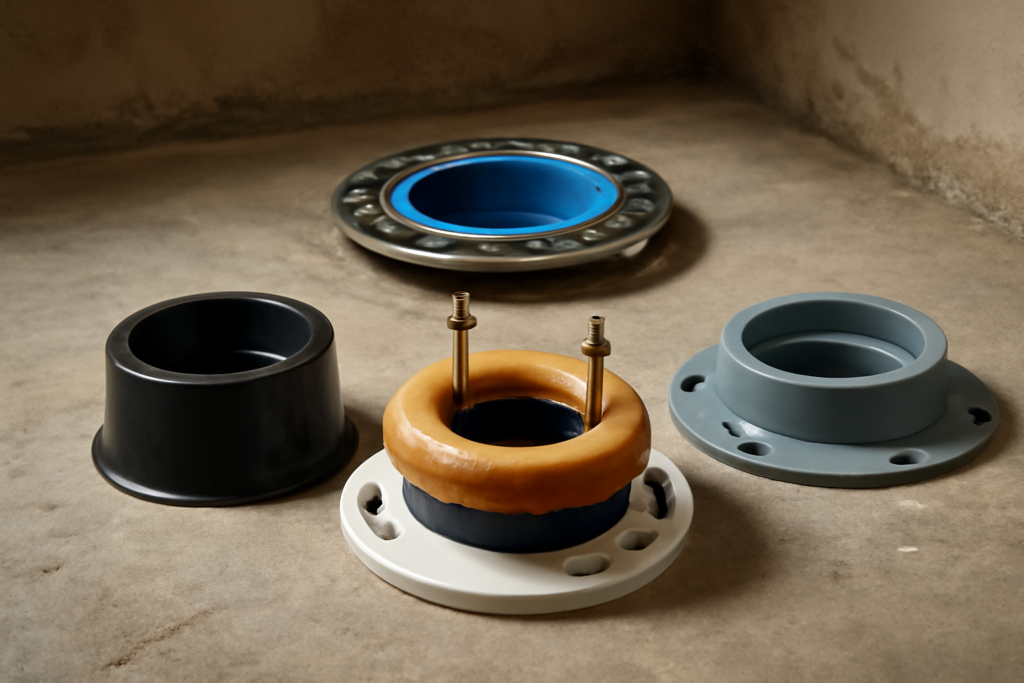
Three materials dominate, and each suits different situations:
- PVC flanges: the most common modern choice, lightweight, affordable, and corrosion-proof. They connect easily to PVC drain pipe and are the go-to for most new installs on concrete.
- Cast iron flanges: heavy-duty and durable, often used when connecting to existing cast iron drain lines common in older homes. They resist damage but can corrode over decades and are heavier to work with.
- Brass flanges: strong, corrosion-resistant, and long-lasting, brass is a premium option that holds up well in demanding installs, though it costs more than PVC.
For most concrete-floor projects with PVC drain pipe, a PVC flange is the practical pick. If you are tying into cast iron, a cast iron or brass flange may match better. The honest answer is that the best material is the one that suits your existing drain pipe and budget.
Anchoring to Concrete
This is the step that separates a solid install from a rocking toilet. Concrete will not accept ordinary wood screws, so you need proper concrete anchors:
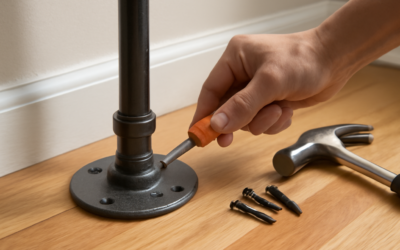
- Concrete screws (masonry screws): driven into pre-drilled holes with a hammer drill and masonry bit, a clean and reliable method.
- Lead anchors or shields: set into drilled holes, then screws thread into them for a strong grip.
- Expansion anchors: another option that wedges tight inside the drilled hole.
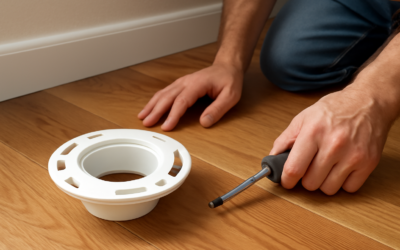
Drill the anchor holes with a hammer drill and the correct masonry bit, clear the dust, and fasten the flange so it sits flush and does not move. A flange that is loose against the slab leads to leaks and a wobbling toilet.
Flange Height and the Floor
Getting the flange height right is critical. The ideal position is to have the flange sit on top of the finished floor, with the bottom of the flange flush with the floor surface. If the flange sits too low because of added tile or flooring over the concrete, water can seep and the seal may fail. If it sits too high, the toilet may rock. When the height is off, this is where specialty flanges come in.
Repair and Offset Flanges
Concrete floors create unique challenges, and a couple of specialty flanges solve them:
- Repair flanges: also called spanner or reinforcement flanges, these fix a broken or damaged flange without breaking up the concrete. They are a lifesaver when the original flange cracks but the drain is intact.
- Offset flanges: these shift the toilet position a couple of inches from the drain center, useful when the rough-in does not line up and you cannot move the concrete drain.
- Flange extenders/spacers: rings that raise a too-low flange up to the level of new flooring.
These pieces let you adapt to existing concrete conditions instead of doing major demolition.
How to Choose the Right One
Work through these questions to land on the right flange. What is your drain pipe made of, PVC or cast iron? That points to your material. Is the flange height correct relative to your finished floor, or do you need a spacer? Is the existing flange damaged, calling for a repair flange? Does the toilet need to shift position, calling for an offset flange? Answer those, and the choice becomes clear. For a standard new install over a slab with PVC drain, a PVC flange with proper concrete anchors covers most homeowners.
Inside-Fit vs Outside-Fit Flanges
One detail that confuses people is how the flange connects to a PVC drain pipe. There are two configurations:
- Inside-fit (hub) flanges: the flange’s pipe section slides inside the drain pipe, which is useful when your pipe opening is a certain size and you want to maintain flow.
- Outside-fit flanges: the flange fits over the outside of the drain pipe, a common arrangement on standard 3- or 4-inch lines.
Measure your existing drain pipe and confirm whether it is 3-inch or 4-inch before buying, because the flange must match. Choosing the wrong fit means a connection that leaks or will not seat properly, so this small measurement saves a frustrating return trip.
Mistakes to Avoid With Concrete Installs
A few errors cause most flange failures on slabs. Using wood screws or drywall screws instead of proper concrete anchors leaves the flange loose, which leads to a rocking toilet and a broken seal. Setting the flange below the finished floor is another frequent problem; it should sit on top of the floor for a reliable wax-ring seal. Cracking the flange by overtightening the anchors, or cracking the toilet by overtightening the closet bolts, are both avoidable with a careful hand. Finally, skipping a dry fit before final assembly hides alignment problems until the toilet is already set. Take the time to test-fit everything first.
Final Installation Tips
Dry-fit everything before committing, make sure the flange is firmly anchored and flush, and use a quality wax ring or wax-free seal for the final connection. Don’t overtighten the toilet bolts, which can crack the porcelain. The best toilet flange for concrete floor is the one matched to your drain material, anchored securely into the slab, and set at the correct height. Get those three right, and your toilet stays solid and leak-free for years.