Laminate flooring is one of the most popular choices in homes across the country, offering the look of real wood at a fraction of the cost. But keeping it looking its best requires the right cleaning approach. Using the wrong products or techniques can dull the finish, cause warping, or even void your warranty. This guide covers everything you need to know about the best way to clean laminate flooring, from daily maintenance to tackling stubborn stains.
- Understanding Your Laminate Floor
- Daily Cleaning Routine for Laminate Floors
- Weekly Deep Cleaning Method
- Best Mops for Laminate Flooring
- Best Commercial Cleaners for Laminate
- DIY Laminate Floor Cleaning Solutions
- How to Remove Common Stains from Laminate
- What Damages Laminate Flooring
- Seasonal Laminate Floor Care Tips
- How Often Should You Clean Laminate Floors
- Restoring Dull or Hazy Laminate Floors
- Final Thoughts
Understanding Your Laminate Floor
Before diving into cleaning methods, it helps to understand what laminate flooring actually is. Laminate flooring consists of multiple layers: a backing layer for stability, a core layer made of high-density fiberboard (HDF), a photographic design layer that mimics wood or stone, and a protective wear layer on top. That wear layer is what you are actually cleaning, and it is surprisingly easy to damage with harsh chemicals or excess moisture.
The HDF core is the most vulnerable part of a laminate plank. If water seeps through the seams and reaches this layer, the board will swell, bubble, and eventually need replacement. This is precisely why moisture control is the single most important principle when cleaning laminate floors.


Daily Cleaning Routine for Laminate Floors
A consistent daily routine prevents dirt and grit from scratching the surface and keeps your floors looking fresh without much effort.
Dry Sweeping or Dust Mopping
The foundation of laminate floor care is removing loose dirt, dust, and debris every day, especially in high-traffic areas like kitchens, entryways, and hallways. Fine grit acts like sandpaper underfoot, gradually dulling the wear layer over time.
Use a microfiber dust mop or a soft-bristle broom for daily sweeping. Microfiber is ideal because it attracts and holds dust particles rather than pushing them around. Avoid stiff-bristle brooms, as they can leave micro-scratches on the surface.
Vacuuming Tips
Vacuuming is an excellent alternative to sweeping, but you need to use the right settings. Switch off the beater bar or rotating brush, as this can scratch and dent the laminate surface. Use the hard floor attachment or a suction-only setting. Stick vacuums and robot vacuums designed for hard floors work particularly well for daily maintenance.
Weekly Deep Cleaning Method
Once a week, your laminate floors benefit from a more thorough clean using a damp mop. The keyword here is damp, not wet. Excess water is laminate flooring’s worst enemy.
The Damp Mop Technique
Follow these steps for a safe and effective weekly clean:
- Sweep or vacuum first to remove all loose debris
- Fill a bucket with warm water and add your chosen cleaning solution
- Dip your mop and wring it out thoroughly until it is just barely damp
- Mop in the direction of the plank grain
- Work in small sections and dry each section with a clean microfiber cloth if needed
- Never allow water to pool or sit on the surface
If you can see a visible trail of water behind your mop, it is too wet. Wring it out more aggressively. The floor should look barely damp and dry within one to two minutes on its own.
Spray Mop Method
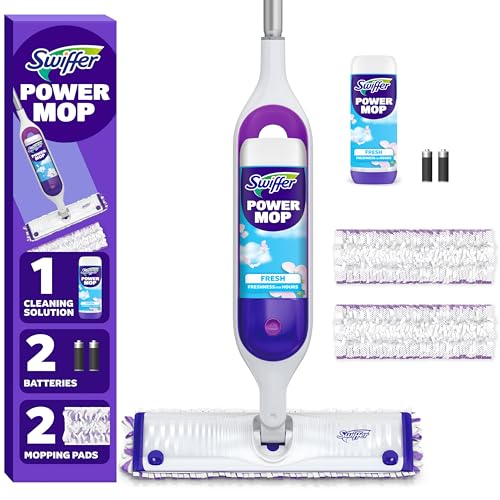
Many homeowners prefer a spray mop for laminate floors, and for good reason. A spray mop lets you control exactly how much liquid hits the floor, dispensing a fine mist rather than saturating the surface. Brands like Bona and Swiffer make spray mops specifically designed for laminate. Simply spray a light mist ahead of you and follow with the microfiber pad.
Best Mops for Laminate Flooring
Choosing the right mop makes a significant difference in both cleaning results and floor preservation.
Microfiber Flat Mops
Flat mops with microfiber pads are the gold standard for laminate. They are lightweight, easy to maneuver, and use minimal water. The microfiber pads are machine washable and reusable, making them an economical choice as well.
Spray Mops
As mentioned, spray mops give you precise control over moisture. Look for models with a refillable reservoir so you can use your own cleaning solution rather than being locked into a specific brand of cartridge.
Mops to Avoid
Stay away from traditional string mops or sponge mops. These hold far too much water and make it nearly impossible to achieve the barely-damp level laminate requires. Steam mops are also a poor choice for laminate flooring, despite what some manufacturers claim. The heat and moisture combination can damage the wear layer, cause warping, and delaminate the planks over time. Most laminate flooring warranties specifically exclude damage from steam mops.
Best Commercial Cleaners for Laminate
A dedicated laminate floor cleaner is always the safest bet. Here are the top options that professionals and homeowners consistently recommend.
Bona Hard-Surface Floor Cleaner
Bona is a trusted name in floor care. Their hard-surface cleaner is water-based, residue-free, and safe for laminate. It dries quickly without leaving streaks, and it is available in both spray bottles and refill jugs for use with a spray mop.
Black Diamond Stoneworks Wood and Laminate Cleaner
This no-rinse formula is popular for its streak-free finish and pleasant scent. It works well as a spray-and-mop solution and does not leave any sticky residue behind.
Zep Hardwood and Laminate Floor Cleaner
Zep offers a professional-grade option at a budget-friendly price. It cleans effectively without dulling the surface and is available at most home improvement stores.
Quick Shine Multi-Surface Floor Finish
If your laminate floors have lost their luster, Quick Shine can restore some sheen. However, use products like this sparingly, as buildup can occur over time and create a hazy appearance.
DIY Laminate Floor Cleaning Solutions
If you prefer a homemade approach, several simple recipes work beautifully on laminate flooring.
Vinegar and Water Solution
Mix one cup of white vinegar with one gallon of warm water. The mild acidity cuts through grime without leaving residue. Some people worry that vinegar will damage laminate, but at this dilution, it is perfectly safe for occasional use. Avoid using undiluted vinegar, as the concentrated acid can dull the finish over time.
Rubbing Alcohol Solution
Combine equal parts water and isopropyl rubbing alcohol in a spray bottle. Add a few drops of dish soap and a splash of white vinegar. This solution cuts grease, disinfects lightly, and evaporates quickly, making it ideal for laminate. Spray lightly and mop with a microfiber pad.
Dish Soap and Water
A few drops of mild dish soap in a gallon of warm water creates an effective cleaning solution. The key is using just a tiny amount of soap. Too much will leave a soapy film that attracts dirt and makes floors look dull. If you notice residue after cleaning, go over the floor again with plain water.
How to Remove Common Stains from Laminate
Even with regular cleaning, spills and stains happen. Here is how to handle the most common ones.
Scuff Marks
Rub scuff marks gently with a tennis ball, a pencil eraser, or a microfiber cloth dampened with rubbing alcohol. For stubborn marks, a tiny amount of baking soda paste applied with a soft cloth can work, but rinse immediately afterward.
Grease and Oil
Apply a small amount of rubbing alcohol or acetone-free nail polish remover to a microfiber cloth and blot the grease spot. Follow up by wiping the area with a damp cloth to remove any residue.
Ink and Marker
Dampen a cloth with rubbing alcohol and gently rub the ink stain. For permanent marker, a small amount of acetone-free nail polish remover on a cotton ball usually does the trick. Always wipe clean and dry the area promptly.
Wine, Coffee, and Juice
Blot up the spill immediately, then clean the area with a damp microfiber cloth and a small amount of laminate cleaner or your DIY vinegar solution. The faster you address these spills, the less likely they are to leave a stain.
Wax or Candle Drips
Let the wax harden completely, then gently scrape it off with a plastic scraper or an old credit card. Avoid metal scrapers, which will scratch the surface. Clean any remaining residue with rubbing alcohol.
What Damages Laminate Flooring
Knowing what to avoid is just as important as knowing how to clean. These common mistakes cause the most damage to laminate floors.
Excess Water
This cannot be emphasized enough. Standing water, wet mopping, and steam cleaning are the top causes of laminate floor damage. Water that penetrates the seams causes the HDF core to swell irreversibly. If you are considering a moisture-prone area like a bathroom, you may want to look into waterproof flooring options instead.
Abrasive Cleaners and Tools
Scouring powders, steel wool, and abrasive scrub pads will scratch and dull the wear layer permanently. Even Magic Erasers, while effective on some surfaces, are mildly abrasive and should be used sparingly on laminate.
Oil-Based or Wax Products
Never use oil soap, furniture polish, or paste wax on laminate flooring. These products are designed for real wood and will leave a sticky, streaky residue on laminate that is incredibly difficult to remove. They can also make the floor dangerously slippery.
Harsh Chemicals
Avoid bleach, ammonia, and highly alkaline or acidic cleaners. These can strip the protective wear layer and cause discoloration. If you need to disinfect, use a diluted rubbing alcohol solution or a cleaner specifically labeled safe for laminate.
Dragging Furniture
Heavy furniture dragged across laminate will gouge and scratch the surface. Always use felt pads on furniture legs and lift rather than drag pieces when rearranging. This is good advice for any hard flooring, whether it is laminate, hardwood, or vinyl.
Seasonal Laminate Floor Care Tips
Different seasons bring different challenges for laminate floor maintenance.
Winter
Salt, slush, and grit tracked in from outside are particularly harsh on laminate. Place high-quality mats at every entrance and clean them regularly. Wipe up any moisture from boots promptly, and sweep high-traffic areas daily.
Summer
Direct sunlight can cause laminate to fade over time. Use blinds, curtains, or UV-blocking window film to protect exposed areas. Rearrange rugs and furniture occasionally to prevent uneven fading.
Humidity Control
Laminate performs best at humidity levels between 35 and 65 percent. In dry winter months, use a humidifier to prevent gaps from forming between planks. In humid summers, use a dehumidifier or air conditioning to prevent swelling. A simple hygrometer can help you monitor indoor humidity levels.
How Often Should You Clean Laminate Floors
Here is a practical cleaning schedule that balances thoroughness with convenience:
- Daily: Sweep or dry mop high-traffic areas
- Every two to three days: Vacuum the entire floor with a hard-floor attachment
- Weekly: Damp mop the entire floor with a suitable cleaner
- Monthly: Inspect for damage, check felt pads on furniture, clean under area rugs
- As needed: Address spills and stains immediately
Homes with pets, children, or heavy foot traffic may need to increase the frequency of sweeping and mopping. The goal is to prevent grit and grime from accumulating to the point where it starts to damage the finish.
Restoring Dull or Hazy Laminate Floors
If your laminate floors have become dull or hazy, the culprit is usually product buildup. Here is how to restore the shine:
- Mix one cup of white vinegar with a gallon of warm water
- Mop the entire floor with this solution, wringing the mop thoroughly
- Repeat if necessary to strip away old cleaning product residue
- Once the floor is clean and dry, switch to a no-residue laminate cleaner going forward
For laminate with actual wear-layer damage (visible scratches, worn spots), a laminate floor repair kit with color-matched filler can help with minor imperfections. Severely damaged planks may need to be replaced individually.
Final Thoughts
The best way to clean laminate flooring comes down to three principles: keep it dry, keep it gentle, and keep it consistent. A daily sweep and a weekly damp mop with the right cleaner will keep your laminate floors looking beautiful for years. Avoid the temptation to use harsh chemicals or excessive water, and your floors will reward you with lasting durability and a clean, attractive appearance in every room of your home.
Prefer to explore on your own?
See how new flooring looks in your actual room in seconds — free, no signup.
Try the free Floor Studio →