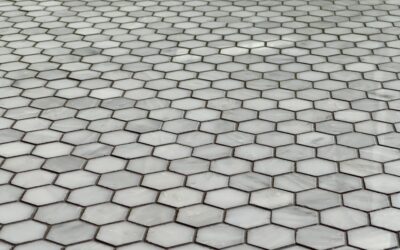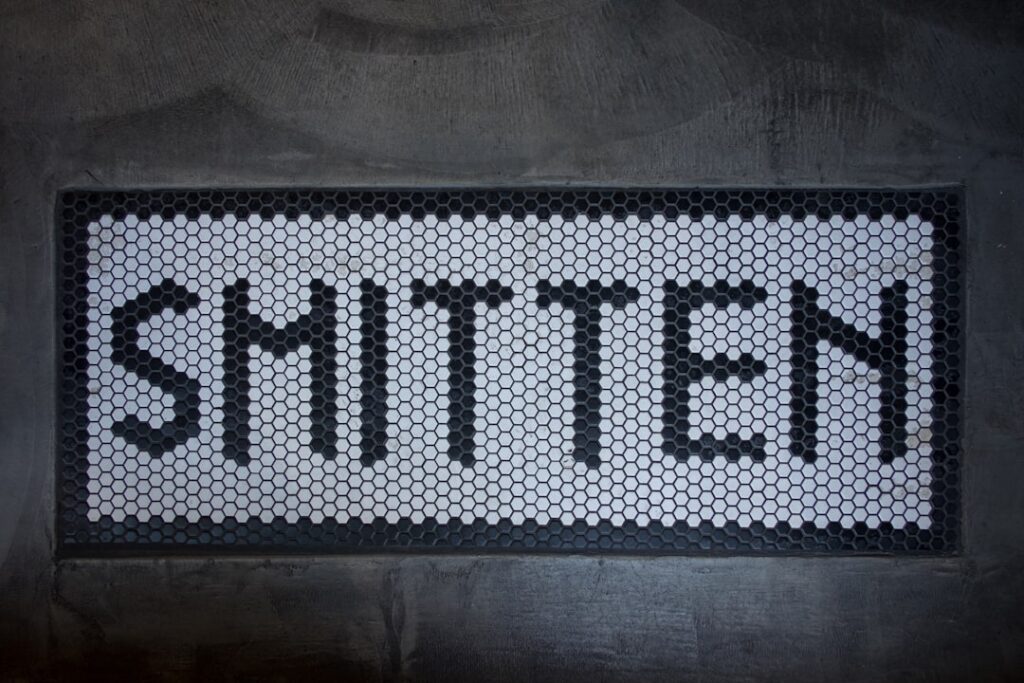
Few tile choices are as timeless or as instantly recognizable as black and white hexagon tile. From the marble mosaic floors of early-1900s bathrooms to today’s crisp modern kitchens and mudrooms, the six-sided shape combined with a classic monochrome palette delivers pattern, personality, and a sense of history that plain square tile cannot. It works in traditional, farmhouse, Art Deco, and contemporary spaces alike, which is why designers keep returning to it decade after decade. This guide covers the patterns you can create, materials, pricing, where the tile works best, installation, and the mistakes to avoid.
Part of our Tile & Grout guide — explore the full guide →
Why the Hexagon Endures
The hexagon is a naturally efficient, eye-catching shape. Its six edges tessellate into a honeycomb that reads as geometric and orderly yet more interesting than a grid of squares. In black and white, that geometry becomes graphic and bold. The pairing has deep roots in American design: penny-round and hex mosaics defined the bathrooms of the early twentieth century, and the vintage association gives the look an authenticity that feels intentional rather than trendy. At the same time, oversized hexagons in matte black and white feel thoroughly modern, so the same shape spans styles from vintage to minimalist.
Popular Patterns and Layouts
- Classic scattered mosaic: Small white hexagons with occasional black hexes sprinkled throughout, the quintessential vintage bathroom floor.
- Flower or rosette: Black hexagons arranged so they form flower shapes against a white field, a period-accurate detail.
- Bold checkerboard-style: Alternating clusters of black and white for high contrast and drama.
- Border and field: A white hex field framed by a black border, defining the room’s edges.
- Large-format solids: Big single-color hexagons in matte black or white for a clean, modern statement, often on walls as well as floors.
Material Choices
- Porcelain and ceramic: The most practical and popular. Durable, water-resistant, and available on mesh-backed mosaic sheets for easy installation. Matte or glossy finishes are both common.
- Marble: Carrara white and black marble mosaics deliver the authentic vintage look with natural veining, but marble is porous, needs sealing, and etches with acids.
- Cement (encaustic): Rich color and a handmade feel, though cement tile requires sealing and more care.
- Glass: Occasionally used for accent walls and backsplashes, offering reflectivity but less suited to floors.
Black and White Hexagon Tile Pricing
Prices vary widely by material. Ceramic and porcelain hexagon mosaics typically run $5 to $15 per square foot for the tile. Marble mosaics run higher, around $10 to $30 per square foot. Large-format porcelain hexagons fall around $6 to $18 per square foot. Installation labor adds roughly $8 to $15 per square foot because mosaics and hexagons take more time to set and grout than large squares. For a typical 40-square-foot bathroom floor, expect a total installed cost somewhere between $700 and $1,800 depending on material and complexity. Mesh-backed sheets keep labor down compared to laying individual hexes.
Where to Use It
Black and white hexagon tile is versatile, but some rooms suit it best:
- Bathroom floors: The classic home for hex mosaics, where the small scale handles the room’s shape and the pattern adds character.
- Kitchen backsplashes: A graphic hex backsplash makes a bold statement behind a range or sink.
- Mudrooms and entryways: Durable porcelain hex hides dirt patterns and welcomes guests with style.
- Laundry rooms: An inexpensive way to make a utilitarian space feel designed.
- Accent walls and fireplace surrounds: Large-format hexagons create a modern focal point.
Installation Tips
Hexagon tile, especially small mosaics, rewards careful prep and layout. Start from the center of the room and dry-lay to plan how the pattern meets the walls, since cut hexes at the perimeter should be balanced rather than leaving a sliver on one side. Use a high-quality thin-set and a suitable trowel, and back-butter marble mosaics for full coverage. Mesh-backed sheets speed installation but watch the alignment where sheets meet so the honeycomb stays continuous with no visible seams. Grout color is a major design decision: a contrasting grout (dark grout on white hex) emphasizes the geometry, while a matching grout softens it. For floors, choose a stain-resistant grout and seal it.
Common Mistakes to Avoid
- Poor layout planning. Failing to dry-lay leaves awkward thin cuts at the walls. Center the pattern and balance the edges.
- Wrong grout color choice. Grout dramatically changes the look. Test a small area with your intended grout before committing.
- Skipping sealer on marble or cement. Unsealed natural or cement tile stains and etches quickly, especially in bathrooms and kitchens.
- Visible sheet seams. Rushing mesh-backed installation creates gaps or crowding where sheets meet. Keep spacing consistent across sheets.
- Glossy tile on wet floors. High-gloss hex can be slippery underfoot when wet. Choose a matte or textured finish for bathroom floors.
- Overwhelming a small room. A very high-contrast bold pattern can shrink a tiny space. In small rooms, a predominantly white field with sparse black accents keeps it feeling open.
Styling Around the Tile
Because the floor or backsplash is doing the visual work, keep the surrounding elements calm. Pair a busy black-and-white hex floor with solid-color walls, simple cabinetry, and metallic fixtures in brass, matte black, or chrome to pick up the palette. In a vintage bathroom, a pedestal sink and subway wall tile complete the period look. In a modern kitchen, flat-panel cabinets and a monochrome countertop let large hex tile shine. The monochrome base is endlessly flexible, letting you change towels, rugs, and accents over the years without ever clashing.
Choosing Tile Size for Your Space
Hexagon tile comes in a wide range of sizes, and the scale you pick dramatically changes the effect. Small mosaic hexes, roughly one to two inches across, deliver the classic vintage look and, because they use more grout lines, provide excellent slip resistance underfoot, making them a favorite for bathroom and shower floors. Mid-size hexagons around three to four inches feel transitional, balancing pattern with a cleaner grid. Large-format hexagons, from six inches up to a foot or more, read as boldly modern and cover ground quickly with fewer grout lines to clean, but they show the geometry in a more graphic, contemporary way and can overwhelm a very small room. As a general rule, smaller hexes suit small rooms and vintage styling, while larger hexes suit bigger spaces and modern interiors. If you are unsure, order a sample of each size and lay them in the actual room, since the same black-and-white palette can feel entirely different at different scales.
Slip Resistance and Safety
Because black and white hexagon tile is so often used in bathrooms and entryways, where water is common, slip resistance deserves attention. Tile is rated for slip resistance by its coefficient of friction, and for wet floor areas you want a tile rated for that use rather than a high-gloss finish that becomes slick when wet. Matte and honed finishes offer more traction than polished ones, and the abundant grout lines of a small hex mosaic actually help by giving feet more grip and channeling water. Textured or unglazed porcelain hexes are the safest choice for a shower floor. If you love the look of a polished or marble hex but worry about slipperiness, reserve it for a backsplash, an accent wall, or a low-traffic powder room floor rather than a main bathroom or shower where wet feet are constant. Choosing the right finish for each location keeps the classic look without turning your beautiful floor into a hazard.
Is It Right for Your Home?
Black and white hexagon tile offers a rare combination of timelessness and adaptability. It brings instant character, hides dirt better than solid light floors, and works in nearly any design direction from historic to ultramodern. The trade-offs are the higher installation labor that comes with any mosaic and the need to plan the layout and grout carefully. If you want a floor or backsplash with genuine personality that will still look right in twenty years, few choices are safer. Plan the pattern, pick the grout deliberately, seal natural materials, and this classic will reward you with a space that feels both fresh and enduring.
Prefer to explore on your own?
See how new flooring looks in your actual room in seconds — free, no signup.
Try the free Floor Studio →