
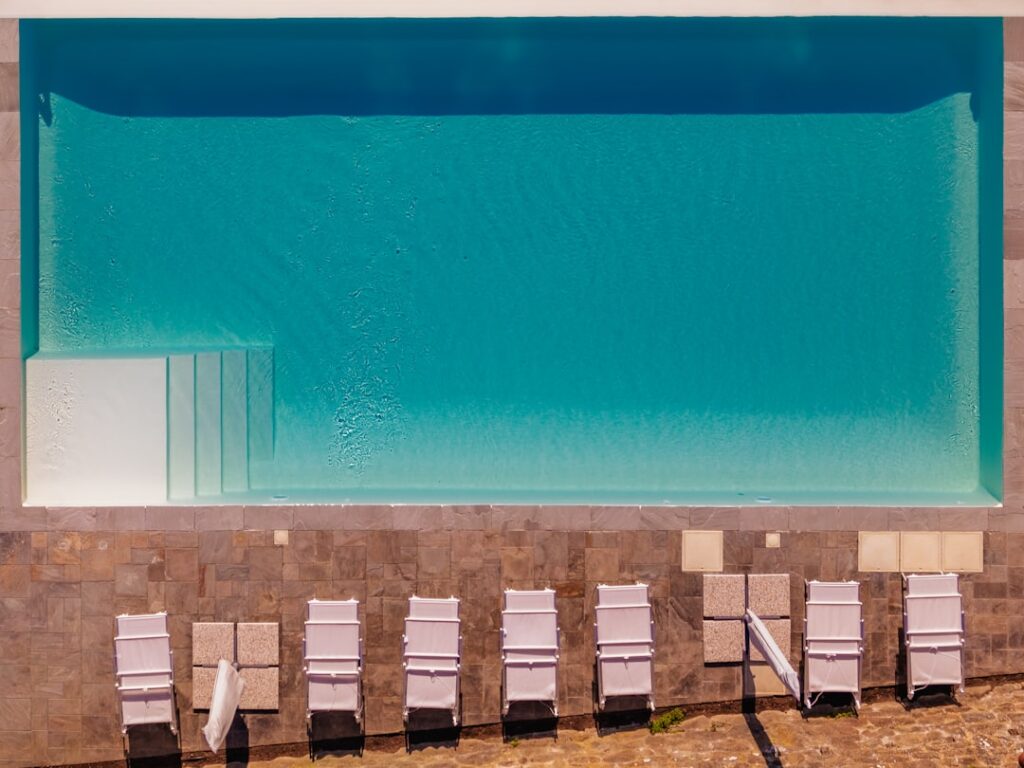
Drive through Charleston or Savannah and you will find brick patios laid before the Civil War still in daily use. Brick flooring outdoor is one of the few materials where the manufacturer’s warranty is short but the actual service life is measured in generations — properly installed pavers regularly hit 75 to 100 years with nothing more than reseating after frost cycles. The trade-off is a higher upfront cost, more labor than concrete, and a learning curve on which brick types actually survive freeze-thaw climates. This guide walks through what to specify, where to skimp, and where to spend.
Part of our Windows & Doors guide — explore the full guide →
- Why Brick Outperforms Cheaper Pavers
- The Right Brick for Outdoor Use
- The Pros That Make Brick Worth It
- The Cons You Should Know Going In
- Installation Methods Compared
- Pattern Choices That Affect Strength
- Sealing and Maintenance Schedule
- Where Brick Beats Every Alternative
- Drainage and Substructure Notes
- Final Take
Why Brick Outperforms Cheaper Pavers
Concrete pavers cost less and install fast, but they fade, chalk, and crack within 15-20 years in most US climates. Brick is fired at 1,800-2,200°F, which fuses the clay into a dense ceramic that does not lose color and resists abrasion better. Walk on a 40-year-old concrete paver patio versus a 40-year-old brick patio and the difference is obvious — brick mellows, concrete deteriorates.
The other quiet advantage is replaceability. If a tree root lifts a single brick, you pull it out and reseat it in 10 minutes. Stamped concrete with the same damage means a $2,500 patch job that never quite blends.
The Right Brick for Outdoor Use
Not every brick survives outside. The grade you want is SX (Severe Weathering), rated for direct exposure and freeze-thaw cycles. MX (Moderate) is fine for sheltered patios in mild climates. NX (Negligible) is interior only — using it outside guarantees spalling within a few winters.
- Clay pavers — solid through and through, best for driveways and high-traffic patios. $4-$9 per sq ft material
- Wire-cut brick — slightly textured face, excellent grip even when wet, ideal for pool decks
- Tumbled brick — distressed edges for an aged look, $6-$11 per sq ft
- Reclaimed antique brick — character is unmatched but check for SX rating; many old common bricks are not freeze-thaw rated
- Thin brick pavers — 1/2 inch thick, glued over existing concrete to mimic full brick at half the cost
The Pros That Make Brick Worth It
Beyond longevity, brick brings a few quiet wins. Surface temperature stays 15-25°F cooler than concrete or stone in direct sun — bare feet on a 95°F July afternoon make this immediately noticeable. The texture provides natural slip resistance, particularly important around pools where smooth travertine becomes a liability.
Brick also hides dirt. The earthy tones and slight color variation across a pallet absorb leaf stains, drink spills, and pet accidents that would scream on a light tile or stamped concrete surface. Maintenance is mostly a leaf blower and an occasional scrub with mild detergent.
The Cons You Should Know Going In
The labor cost is the headline drawback. A brick patio runs $15-$30 per sq ft installed depending on pattern complexity, versus $8-$14 for stamped concrete. A herringbone driveway can hit $35 per sq ft. Expect 7-12 days of labor for a 400 sq ft patio versus 2-3 days for poured concrete.
Joint maintenance is the second issue. Sand-set brick allows weeds to grow between bricks. Polymeric sand reduces this from constant battle to occasional touch-up but needs reapplication every 5-8 years. Mortar-set brick eliminates weeds but cracks at expansion joints in cold climates.
Installation Methods Compared
- Sand-set on compacted base — 4-6 inches of compacted gravel, 1 inch of sand, brick on top, polymeric sand in joints. Most common, easiest to repair, $15-$22 per sq ft
- Mortar-set on concrete slab — pour or pour over an existing slab, then mortar brick. Rigid surface, no movement, best for formal entries. $25-$35 per sq ft
- Dry-set on concrete with polymeric sand — hybrid approach for retrofitting over old concrete. $18-$25 per sq ft
- Pedestal system — for rooftop terraces, brick on adjustable plastic pedestals over membrane. $30-$45 per sq ft installed
Pattern Choices That Affect Strength
Pattern is not just aesthetic. Running bond is the easiest and uses the least cuts. Herringbone, especially 45-degree herringbone, has the best load distribution and is the only pattern truly suited to driveways with vehicle traffic. Basket weave looks great on pedestrian patios but spreads under repeated car weight. Spend an extra $3-$5 per sq ft on herringbone if vehicles will ever roll across it.
Sealing and Maintenance Schedule
New brick should cure 30 days before sealing. A penetrating siloxane sealer at $0.25-$0.50 per sq ft, applied every 3-5 years, deepens color and blocks salt and oil. Skip glossy “wet look” sealers on outdoor brick — they trap moisture and cause spalling in freeze climates. Sweep weekly, pressure wash at 1,500 PSI maximum once a year, and refresh joint sand as needed. That is the entire maintenance program for the next decade.
Where Brick Beats Every Alternative
Front walkways, formal patios, garden paths, pool surrounds, and historic-home additions are brick’s home turf. The combination of texture, color stability, and repairability is unmatched. For ultra-modern designs or budget-tight projects, large-format porcelain or stamped concrete may make more sense. But if you want a surface your grandchildren will still walk on, install brick correctly the first time and forget about it.
Drainage and Substructure Notes
Even the best brick installation fails if water cannot escape. Slope the entire surface 1/4 inch per linear foot away from the house for proper runoff. Beneath the brick, a 4-inch base of compacted #57 stone over a layer of geotextile fabric prevents weed growth from below and keeps fines from migrating into the gravel. In freeze climates, extending the gravel base to 6-8 inches below the local frost line nearly eliminates heaving — the difference between a patio that needs reseating every 5 years and one that holds for 20.
Final Take
Brick outdoor flooring is an investment, not an expense. The $20 per sq ft you spend today amortizes over 75-plus years to about $0.27 per sq ft per year — cheaper than any concrete alternative when measured honestly. Specify SX-grade pavers, choose a strong pattern, hire a mason who can show you finished work older than 20 years, and you will end up with the most timeless surface on your property.
Prefer to explore on your own?
See how new flooring looks in your actual room in seconds — free, no signup.
Try the free Floor Studio →

