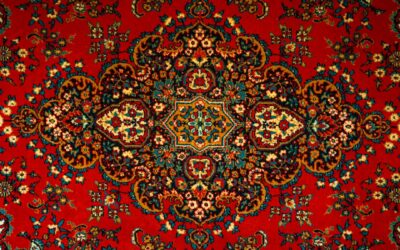
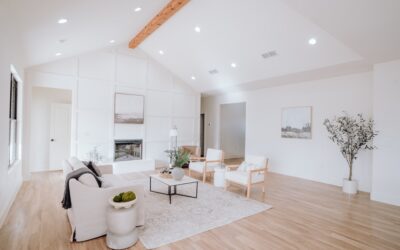
Color trends come and go, but a brown Persian rug never really leaves the room. The earthy palette, ranging from deep chocolate and rust to soft camel and tan, grounds a space the way few floor coverings can, and it hides everyday soil better than almost any other color. Layer that practicality over the centuries-old craft of Persian weaving, with its intricate medallions and dense pile, and you get a rug that feels both warm and serious, casual enough for a family room yet refined enough for a formal one.
What Makes a Rug “Persian”
True Persian rugs are hand-knotted in Iran, the historic center of the craft, and the term carries real meaning. Each rug is tied knot by knot on a loom, sometimes with hundreds of knots per square inch, which is why genuine pieces take months to weave and command higher prices. The patterns follow regional traditions, named for cities and tribes like Tabriz, Kashan, Heriz, and Bijar, each with its own signature motifs and color tendencies.
Many rugs sold as “Persian style” are machine-made or hand-knotted elsewhere in similar designs. There is nothing wrong with those if you want the look on a budget, but know the difference: a hand-knotted Iranian piece is a different category of investment and longevity than a power-loomed reproduction.
Why Brown Is a Smart Choice
Beyond looks, brown is the practical powerhouse of the rug world. The deep, varied tones camouflage crumbs, pet hair, and traffic patterns that would show instantly on a pale rug. That makes a brown Persian rug a realistic pick for high-use rooms like living rooms, dens, and dining areas where lighter rugs struggle.
The color is also genuinely versatile. Brown reads as a warm neutral, pairing with cream, navy, forest green, burnt orange, and brass alike. It bridges traditional and transitional decor without effort, and it brings instant warmth to rooms with cool gray floors or lots of white.
Common Patterns and Styles
Brown shows up across many classic Persian designs. A few you will encounter:
- Medallion: A central ornament with a coordinating border, the most recognizable Persian layout.
- Allover (Herati or boteh): A repeating motif across the field, great for a busier, casual look.
- Heriz geometric: Bold, angular medallions, often in rust and brown, that wear like iron.
- Vintage or overdyed: Faded, muted browns with a soft, lived-in patina that suits modern rooms.
Judging Quality
Quality separates a rug that lasts generations from one that mats down in a few years. Check these markers:
- Knot density: Flip the rug over. A tighter, more detailed back generally means a finer, more durable weave.
- Material: Wool pile is the gold standard for resilience; silk accents add sheen but are delicate. Avoid all-synthetic if you want longevity.
- Dyes: Natural vegetable dyes age gracefully and develop richer tones; cheap synthetic dyes can fade or bleed.
- Foundation: Cotton or wool foundations hold up better than weak materials.
For hand-knotted pieces, examine the fringe; it should be part of the rug’s foundation, not sewn on afterward, which is a tell of a lower-grade or machine-made piece.
Sizing and Placement
Scale makes or breaks a rug. In a living room, aim for a rug large enough that at least the front legs of all the main seating sit on it; an 8 by 10 or 9 by 12 foot rug suits most arrangements. Under a dining table, choose a size that keeps the chairs on the rug even when pulled out, usually 2 to 2.5 feet of rug beyond the table on every side.
A brown Persian rug’s busy pattern is forgiving of furniture placement, but leave a consistent border of bare floor, roughly 8 to 18 inches, around the edges so the room does not feel crowded. Always use a quality rug pad to protect the rug, cushion the pile, and keep it from sliding.
Decorating Around a Brown Persian Rug
A brown Persian rug is a confident anchor, so let it lead and keep the rest of the room in supporting roles. Pull one accent color from the rug, a rust, a deep blue, a soft gold, and repeat it in pillows or drapery to tie the space together. Walls in cream, warm white, or a muted greige let the rug’s pattern read clearly without competing.
The style is flexible enough to bridge eras. Pair the rug with traditional wood furniture for a classic library feel, or set it against clean-lined modern pieces and leather for a transitional look that keeps the room from feeling dated. The contrast of an old-world rug under simple contemporary furniture is a designer favorite for good reason.
Real vs. Reproduction: Setting Expectations
Be clear with yourself about what you are buying. A genuine hand-knotted Iranian Persian rug is an heirloom-grade piece that can last generations and often holds or gains value, but it carries a serious price, frequently from several hundred to many thousands of dollars depending on size, age, and knot density. Machine-made or Persian-style rugs deliver the look for a fraction of the cost and clean more easily, but they will not wear or age the same way. Neither is wrong; decide whether you want an investment or an affordable look, then shop accordingly so you are not disappointed by either the price or the durability.
Care and Cleaning
A good wool Persian rug rewards simple care with decades of service. Vacuum regularly without a harsh beater bar, which can pull at knots, and never vacuum over the fringe. Rotate the rug 180 degrees once or twice a year so foot traffic and sunlight wear it evenly, since direct sun will fade even good dyes over time.
Blot spills immediately with a clean white cloth and cool water, working inward, and avoid harsh chemicals that can strip natural dyes. For deep cleaning, a hand-knotted wool rug is best entrusted to a professional rug cleaner every few years rather than a steam machine. Treated with a little respect, a brown Persian rug only grows more beautiful with age, which is exactly why these rugs get handed down rather than thrown out.