
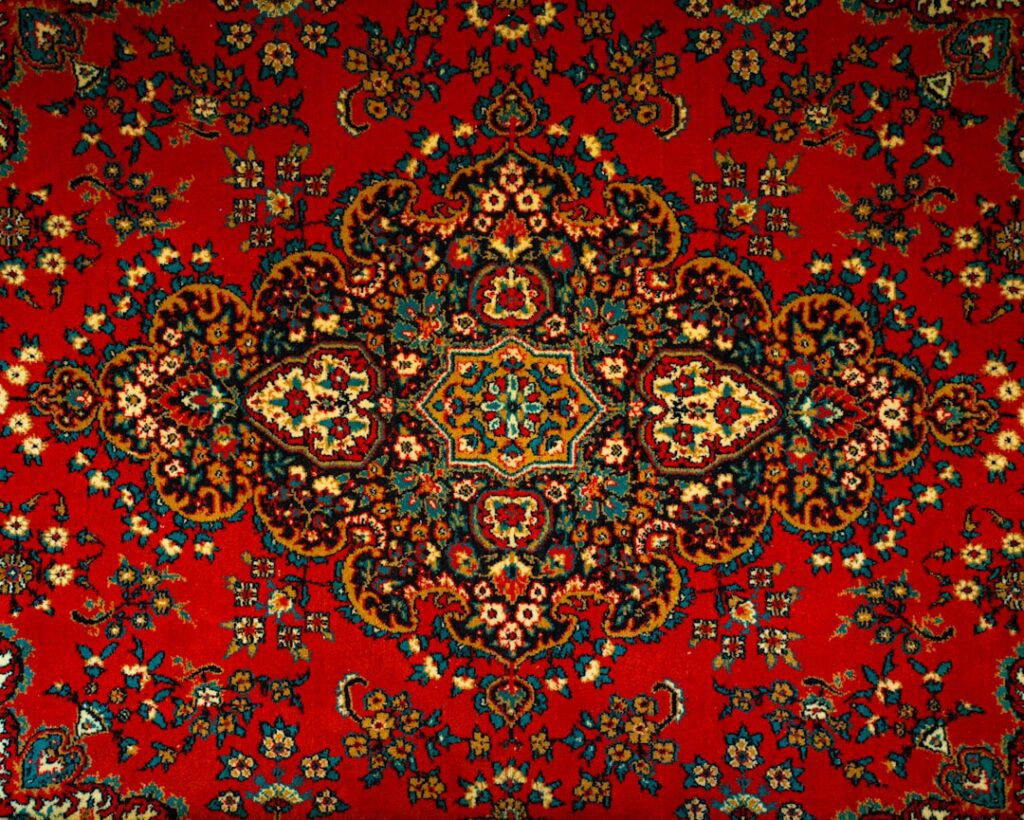
A Persian style rug brings centuries of design tradition into a modern home, layering intricate patterns, rich color, and a sense of warmth that few furnishings can match. Whether you want a true hand-knotted heirloom or an affordable machine-made version that captures the look, understanding the style helps you choose a rug that fits both your room and your budget.
The phrase “Persian style” is broad on purpose. It describes the design language, those medallions, floral vines, and ornate borders, rather than a single place of origin. That distinction matters when you shop, because a Persian style rug can range from a museum-grade antique to a practical synthetic piece for a busy family room. This guide covers patterns, materials, sizing, placement, and care so you can buy wisely.
What Defines the Persian Style
Several recurring elements give these rugs their unmistakable look. A central medallion often anchors the field, surrounded by flowing floral motifs, vines, and sometimes animals or garden scenes. Multiple nested borders frame the design, and the color palette tends toward deep reds, navy and indigo blues, ivory, gold, and earthy greens. Symmetry and density of pattern are hallmarks, with the best examples packing remarkable detail into every square inch.
Traditional designs are frequently named for the regions or cities whose weavers refined them over generations. You may see styles described with names that reference those classic motifs, each with its own balance of geometry and floral curves. A Persian style rug borrows this visual vocabulary even when it is woven far from those original workshops.
Hand-Knotted Versus Machine-Made
The single biggest factor in price and longevity is construction. Knowing the difference protects your wallet and your expectations:
- Hand-knotted: each knot is tied by hand, which can take months for a single rug. These pieces are durable, often appreciate in value, and can last generations, but they command the highest prices.
- Hand-tufted: made faster with a tool that punches yarn into a backing, then glued and finished. More affordable, attractive, but generally shorter-lived than knotted rugs.
- Machine-made: woven on powered looms, usually from synthetic or blended fibers. The most budget-friendly way to get the Persian look, with consistent patterns and easy care.
As rough estimates, machine-made Persian style rugs in common sizes often run from around $80 to several hundred dollars, while genuine hand-knotted pieces can reach into the thousands or far beyond depending on age, knot density, and materials. Treat any figures as ballpark estimates that shift with size and source.
Materials and What They Mean
Fiber choice affects feel, durability, and maintenance. Wool is the traditional standard, prized for resilience, natural stain resistance, and a soft but sturdy pile that wears beautifully for decades. Silk appears in fine, detailed pieces and adds sheen and intricacy, but it is delicate and expensive. Cotton commonly forms the foundation threads even in wool rugs. Synthetic fibers such as polypropylene mimic the look at a lower price and stand up well to moisture and stains, which makes them practical for high-traffic spaces.
If you want longevity and a soft underfoot feel, wool is hard to beat. If you need easy cleanup in a kitchen or kids’ area, a quality synthetic Persian style rug is a sensible, lower-cost choice.
Choosing the Right Size
Scale makes or breaks a rug’s impact. Measure your space and follow a few reliable guidelines:
- Living room: aim for the rug to sit under at least the front legs of your sofa and chairs, with 10 to 18 inches of bare floor showing around the edges.
- Dining room: the rug should extend about 24 to 30 inches beyond the table on all sides so chairs stay on it when pulled out.
- Bedroom: a large rug under the bed with two feet of overhang on the sides and foot creates a soft landing.
- Hallway or entry: a runner or small rug grounds the space and protects high-traffic flooring.
Common stock sizes include 5 by 8, 8 by 10, and 9 by 12 feet, plus runners around 2 by 8 feet. When in doubt, size up; an undersized rug makes a room feel disconnected.
Placement and Styling
A Persian style rug carries strong pattern and color, so let it lead and keep surrounding pieces calmer. Pair busy florals with solid upholstery to avoid visual chaos, or layer a smaller patterned rug over a neutral jute base for a curated look. The deep reds and blues common in these designs pair surprisingly well with both traditional wood furniture and clean modern lines, which is part of their lasting appeal.
Position the rug so the dominant medallion centers in the conversation or seating area, and orient the longer dimension along the longer wall in rectangular rooms. Use a quality rug pad underneath to cushion the pile, prevent slipping, and protect the flooring beneath.
Cleaning and Care
Routine care keeps any Persian style rug looking its best. Vacuum regularly without a beater bar on fine or fringed pieces, since aggressive brushing can pull knots and damage the pile. Rotate the rug every six to twelve months so it wears and fades evenly, especially in sunny rooms. Blot spills immediately with a clean cloth and water rather than rubbing, which pushes stains deeper.
For hand-knotted wool and silk rugs, professional cleaning every couple of years is the safest choice; harsh DIY chemicals and over-wetting can damage natural dyes and fibers. Always test any cleaning product on a hidden corner first, follow the manufacturer’s or cleaner’s guidance, and keep delicate rugs out of constant direct sunlight to preserve their color.
Is a Persian Style Rug Right for You
If you love timeless pattern and want a piece that anchors a room with warmth and character, a Persian style rug is a strong investment in either form. Choose hand-knotted wool when you want an heirloom that can last generations and hold value, or a quality machine-made synthetic when you need the look at a friendly price with easy upkeep. Match the material to your traffic, the size to your furniture, and the care to the construction, and your rug will reward you for years.


